- How Rural Health Systems Are Advancing Cardiac Imaging

- How Rural Health Systems Are Advancing Cardiac Imaging
- Beyond Reimbursement: Why Market Access is MedTech’s Strategic North Star

- Beyond Reimbursement: Why Market Access is MedTech’s Strategic North Star
- The Human Side of AI Medical Devices: Why Safety Depends on Design, Not Just Algorithms

- The Human Side of AI Medical Devices: Why Safety Depends on Design, Not Just Algorithms
- What’s draining surgical time?
- True ROI of health tech, according to finance leaders
- True ROI of health tech, according to finance leaders
- 131 hospitals sue HHS over DSH cuts: 5 notes
- HCA Tennessee hospital names CEO
- Kaiser workers in Northwest ratify labor deal
- Where 6 specialty DSOs stand in 2026
- MAHA movement slows
- Oracle cuts thousands of jobs: Report
- Intermountain joins national trauma, grief network
- 16 new ASCs in March
- Intermountain joins national trauma, grief network
- Practice closures, new dental schools, DLRs & more: 6 dental updates in New York
- A $1B campus, leadership handoff and unchanged mission: Grady’s next chapter
- MD, PharmD degrees deliver highest returns: Study
- Workforce, patient care, private equity & more: 5 statistics scaring dentists
- American Society of Addiction Medicine updates youth treatment standards
- The shifting oral surgery landscape
- Moody’s upgrades UK King’s Daughters’ credit rating
- 5 anesthesia partnerships to know from Q1
- New Jersey eliminates practice restrictions for most APNs
- Private equity in dentistry has gotten smarter
- Sutter ASC to pay $3.2M to settle alleged drug security lapses
- 7 DSO leadership changes to know
- University Hospitals swings from loss to 2.6% margin in 2025
- The inadequacy of the physician fee schedule: 10 notes
- Mark Cuban backs bill to break up vertically integrated insurers
- Inside the anesthesia crisis limiting ASC growth
- Lawmakers introduce child suicide prevention bill
- Dental lab group receives private equity investment
- Dental Care Alliance appoints chief revenue officer
- UnitedHealthcare launches Avery, a generative AI companion for members
- 14 behavioral health executive moves to know
- What comes next for price transparency rules?
- The top-ranked US dental schools in 2026
- Missouri agencies warn of rising nitazene threat
- PDS Health’s 3-year growth recap: 30+ moves
- Tennessee delays vote on CON
- Only 44% of SUD treatment facilities accept older patients on Medicare: HHS report
- Orthopedics’ quiet profit drains in ASCs
- The payer battles coming to outpatient surgery
- 7 state behavioral health policy updates
- Republicans eye further healthcare cuts: Report
- Memorial Sloan Kettering posts $48M operating loss in 2025
- Uninsured patients drive nearly 40% of healthcare collections: Cedar survey
- FDA flags serious liver injury cases, 8 deaths with ‘reasonable’ link to Amgen's Tavneos
- Novo Nordisk cuts 400 roles at troubled Bloomington site
- Blackstone weighs $500M IPO for RCM firm AGS Health: Bloomberg
- Health systems shrink the payer-provider gap
- Former U.S. Surgeon General Challenges Trump Nominee
- Listen to the Latest ‘KFF Health News Minute’
- Iterum initiates wind-down after failure to offload antibiotic with sluggish sales
- Over 10.2 Million Grill Brushes Recalled Over Metal Bristle Risk
- Sex Enhancement Chocolates Recalled Over Hidden Drug Ingredients
- Short Bursts of Exercise Linked To Lower Risk of Major Diseases
- HHS urges hospitals to align patient menus with updated dietary guidance
- Hartford HealthCare, K Health launch PatientGPT, new AI tool to help patients find health information
- Ensemble partners with Cohere to build first RCM-native large language model
- API supplier BASF raises prices up to 20% in response to rising energy, raw material costs
- Biogen, eyeing swift commercial tailwind, ponies up $5.6B for Apellis and its 2 approved meds
- Cold Weather More Deadly For The Heart Than Heat, Study Finds
- Teens' Sleep Patterns Affect Their Diet, Exercise, Study Says
- 'Watch and Wait' Approach Safe For Women With Precancerous Breast Condition, Trial Finds
- Dental Care Can Help Cirrhosis Patients Avoid Liver Cancer, Hospitalization
- Folks With Clogged Arteries Benefit From Aggressively Lower Cholesterol Goal
- Intermittent Fasting Might Help Manage Female Hormone Imbalance, Trial Shows
- Trump’s Hunt for Undocumented Medicaid Enrollees Yields Few Violators

- States Pay Deloitte, Others Millions To Comply With Trump Law To Cut Medicaid Rolls
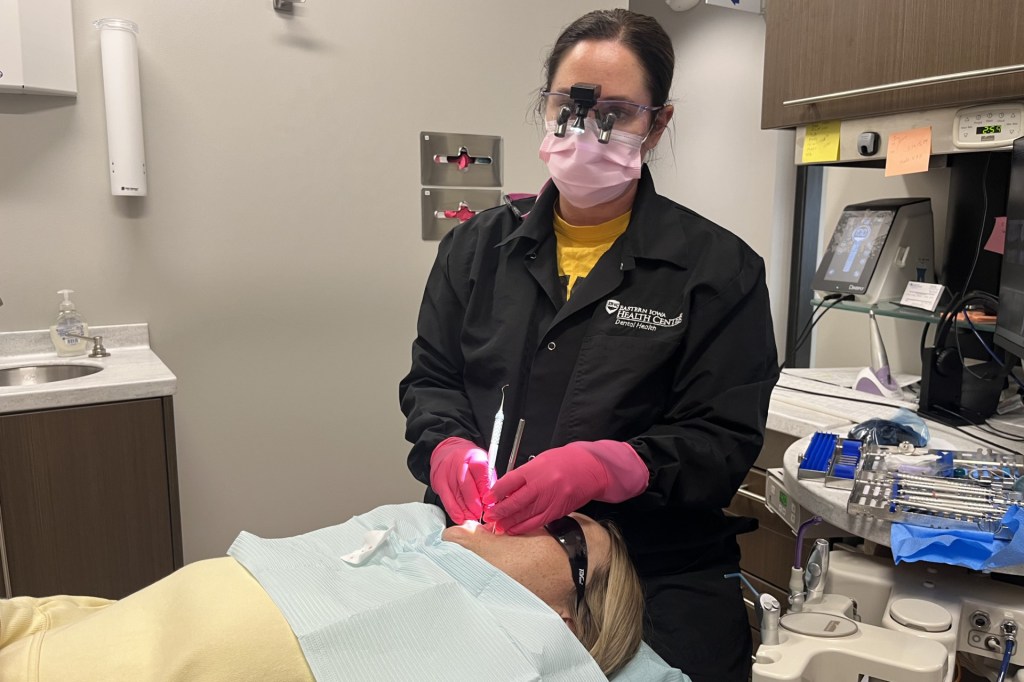
- States pay Deloitte, others millions to comply with Trump law to cut Medicaid rolls
- Employer telehealth company eMed raises $200M at $2B valuation
- Insulet hires Stryker vet, reinstating commercial chief role as C-suite overhaul continues
- Baptist Health Arkansas hospital to end OB services
- Texas behavioral health provider launches 6th Austin-area clinic
- New Jersey expands authority for advanced practice nurses
- Why these 2 roles are key to expanding behavioral access, per SAMHSA
- Kaiser Permanente’s $9.3B net income draws scrutiny: 6 things to know
- Nonprofit Electronic Frontier Foundation sues CMS over AI prior authorization demonstration
- CDRH Guidance: Patient Preference Information (PPI) in Medical Device Decision Making
- CDRH Guidance: Patient Preference Information (PPI) in Medical Device Decision Making
- BSCI’s LAAC CHAMPION-AF study for WATCHMAN FLX meets primary and secondary safety and efficacy endpoints
- BSCI’s LAAC CHAMPION-AF study for WATCHMAN FLX meets primary and secondary safety and efficacy endpoints
- Apple Store to ID Regulated Medical Device Apps
- Apple Store to ID Regulated Medical Device Apps
- CMS: This year's open enrollment brought fewer signups, higher premiums
- Medical Schools No Longer Required To Teach Health Inequities
- Lilly presses for UK deal that would see higher drug prices in exchange for resumed investments: FT
- United plots Tyvaso FDA filing after ph. 3 win elicits talk of 'new IPF standard' and blockbuster sales
- Fluoride Quietly Removed From Birmingham Water Years Ago, Officials Face Backlash
- FDA Weighs Expanding What Can Go Into Supplements
- 9 Now Sickened in Outbreak Tied To Raw Milk and Cheese
- BMS, Novartis, Gilead, Iovance dinged over biologics promos in rare spate of CBER untitled letters
- Nearly half of US hospital markets entirely controlled by 1 or 2 health systems: KFF
- Mental health provider platform Headway acquires team behind AI company Tezi
- Idorsia eyes pediatric insomnia use with midstage trial win for sleep med Quviviq
- Electronic Paperwork Increasing Burnout Risk Among Young Doctors
- Kratom Cases Surging In U.S.
- What Makes Play Fun For Children? Seven Factors Stand Out, Study Says
- Night Shifts Are Tough On People With Type 2 Diabetes, Study Says
- Women's Bone Loss Tied To Heart Health, Study Finds
- Want To Lose Weight? Eat A Boring, Repetitive Diet, Researchers Suggest
- Samsung Biologics union gathers votes to strike as tension over wage, governance mounts
- Takeda begins US layoffs as part of massive $1.3B restructuring
- Biogen looks to shake up SMA status quo with FDA nod for high-dose version of Spinraza
- Inside the High-Stakes Corporate Fight Over Feeding Preterm Babies

- She Owed Her Insurer a Nickel, So It Canceled Her Coverage

- Study Links High Antioxidant Intake To Changes in Offspring Development
- The Healthcare Burnout Backlash (pt 1): Burnout Reaches Well Beyond Clinicians
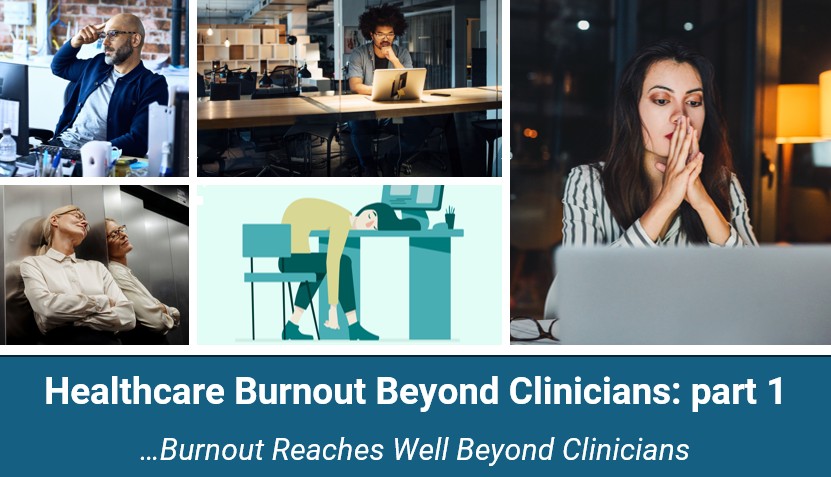
- The Healthcare Burnout Backlash (pt 1): Burnout Reaches Well Beyond Clinicians
- Even Mild Oxygen Loss in Preemies' First Hours Poses Lifelong Brain Risks: Study
- How the Trump Administration Uses Migrant Kids To Find and Detain Family Members
- Oral GLP-1s, COVID preventatives: 3 more drugs in the pipeline, Optum says payers should watch
- Providence trims 2025 operating loss to $132M, notches second consecutive quarter of gains
- $3M Verdict Links Social Media to Anxiety and Depression
- The White House Delays CDC Pick
- New COVID 'Cicada' Variant Is Spreading — What Experts Want You To Know
- Advocate Health to launch ‘nation’s largest’ hospital drone delivery program in Zipline partnership
- Op-ed: Empathy meets efficiency—how the responsible use of AI can transform Medicare
- Family Caregivers Provide $1 Trillion In Annual Labor, AARP Says
- ‘Health Doesn’t Need to Be Ludacris’: Bayer signs rapper-actor to multivitamin campaign
- Rocket plots measured trajectory for new gene therapy Kresladi after clearance to launch from FDA
- Healthy Lab Results May Mask Future Risks for Kids with Obesity
- At-Home Chemotherapy Is Safe, Feasible, Pilot Study Indicates
- What You Do While Sitting Could Predict Dementia Risk
- New Cholesterol Guidelines: What Patients and Caregivers Need to Know
- Want A Bootlicking Yes Man? Ask An AI Chatbot For Advice, Study Warns
- Specially Coated Implants Better For Breast Cancer Patients, Study Finds
- Give and Take: Federal Rural Health Funding Could Trigger Service Cuts

- Trump Team Claims Successes Against ACA Fraud While Pushing for More Controls
- Fierce Pharma Asia—Takeda’s $1.3B reorg; India’s GLP-1 floodgates; Gilead’s $2.2B buy of a China NewCo
- Where are you with EUDAMED?

- Where are you with EUDAMED?
- HL7 Launches Real‑Time Medical Device Interoperability Accelerator
- HL7 Launches Real‑Time Medical Device Interoperability Accelerator
- Two GA Tech ATDC Startups — Nephrodite and OrthoPreserve — Secure FDA Breakthrough Device Designation
- Two GA Tech ATDC Startups — Nephrodite and OrthoPreserve — Secure FDA Breakthrough Device Designation
- What the Health? From KFF Health News: A Headless CDC
- Recordati confirms it's weighing CVC Capital buyout offer of $12.6B
- Nonprofit celebrates rescue, recapitalization of Prospect Medical Holdings' Rhode Island hospitals
- UnitedHealth shareholder sues over proposal to include details on integration in annual proxy
- SCAN taps biopharma, CMS vet Aman Bhandari as its first chief AI officer
- Infosys to acquire Optimum Healthcare IT in $465M deal
- Healthcare systems can create AI care pathways with new Viz.ai tool
- DOJ alleges NewYork-Presbyterian forces payers into anticompetitive 'all-or-nothing' contracts
- FDA Warns Biotech Firm Over Cancer Drug Anktiva Claims


Hospitals continue to consolidate into health systems which have and use their pricing power to increase medical costs well beyond inflation rates and also drive down the wages of medical workers. From the recent HHS Consolidation in Health Care Markets RFI Response:
"In 1990, 65% of Metropolitan Statistical Areas (MSAs) in the country were considered highly concentrated for hospital services; by 2006, the share had increased to 77%, and by 2016, it was 90%. Consolidation trends have continued to this day. A study of 183 MSAs found that between 2017 and 2021, hospital system concentration rose in nearly 70% of MSAs and prices rose in 98%."
This pricing power is now attracting the private equity vultures who are always seeking above market returns. Those above market returns come directly out of your health care insurance premiums and unreimbursed medical costs.
Peter Pitts discusses the baleful influence of hospital consolidations in a RealClearHealth opinion piece, using ProPublica's Sick in A Hospital Town Series as an exemplar:
https://www.realclearhealth.com/articles/2025/12/15/the_hospital_that_swallowed_albany_1153474.html
https://projects.propublica.org/albany-georgia-hospital/
The Hospital that Swallowed Albany
By Peter Pitts - December 15, 2025In Albany, Georgia, the troubling rise of Phoebe Putney Health System (PPHS) is a four-alarm warning. ProPublica’s series “Sick in a Hospital Town” shows how one system can grow with no real checks or balances, shaping care to its own commercial interests by leveraging local politics and the local economy. This is a story about a national bellwether. Hospitals keep merging keep across the country while those responsible for stopping bad deals often stand back. PPHS began as a small-town hospital. Now it runs almost every health care service in the area, and the trend is coming to a hospital near you.
A key question is, why do so few federal enforcement actions target hospital mergers? Why do federal watchdogs let so many hospital deals slide while they tear apart other health care mergers? The Federal Trade Commission (FTC) and the Department of Justice (DOJ) both have clear power to fight hospital mergers, yet they rarely use it. One industry review found that out of more than a thousand hospital mergers in two decades, the FTC challenged only about 1%—even though 20% showed clear warning signs for harm to competition. That is more than a missed chance. It is a pattern that makes patients, employers, and taxpayers pay more for care that often does not improve post-acquisition.
The truth is a harsh mistress, and the data tell a blunt story. After hospital mergers, prices rise. A meta-analysis by the American College of Surgeons found that in 93% of cases, hospital charges went up after a merger. Another study found that prices rose by an average of 1.6% in the first two years after a merger and when hospitals in different markets joined forces, prices jumped almost 13% over six years. These are not small shifts. For families already strained by health bills, every extra dollar hits hard.
Backers of hospital mergers often promise lower costs and better care. The record does not support that claim. Studies show that mergers raise costs or leave them stuck at the same high-water mark. Bluntly put, real gains in quality rarely follow mergers. The reality is that patients are left with fewer real choices and local doctors lose their professional independence. The Albany situation, as ProPublica showed, is instructive. Phoebe Putney’s grip leaves patients with nowhere else to turn. PPHS dominance controls local politics and makes it hard for anyone in town to push back.
Meanwhile, other parts of our healthcare system face far more robust regulatory oversight. When insurance firms or pharmaceutical companies try to merge, regulators often jump in – publicly and aggressively. They hold hearings, demand changes, and often block deals outright. We have to ask ourselves, why do other mergers in the health care space get intense review while hospitals get a free pass, leading to higher costs for consumers, employers, and government programs? Part of the answer sits in how hospitals frame their work. They say they serve the public good, and in many ways they do, but that claim should not shield them from the rules that keep quality high, markets fair, and prices in check. In a recent Washington Times piece, Michael Toth warns of what can happen when leaders act as if the system is in safe and steady hands. It’s not.
The stakes keep rising. Case in point -- private equity firms now see hospitals as prime targets. In early 2025, private equity health care deals hit a new high even as lawmakers in more than a dozen states pushed for stricter oversight. Some states, like Massachusetts, now force hospitals to report deals before they happen. But state action can only go so far. Without strong federal enforcement, hospital systems will keep on growing, local towns will keep losing control, healthcare professionals will lose their ability to practice medicine as they see fit, and patients will suffer the consequences.
Not surprisingly, the American Hospital Association pushes back against reality, claiming that the research is flawed or biased, but the proof is in the pudding. Hospital consolidation raises prices and cuts choice. Fortunately, after years of weak action, the FTC has begun to take notice, recently blocking a hospital deal in North Carolina and updating its merger rules.
If we want to ensure patient access to high quality hospital services, we need to ask hard questions. Why do hospital mergers still get a pass when the costs and consequences sit in plain view? Why do regulators act only after the damage is done? The story of Albany, Georgia, should serve as a blunt wake-up call. When one hospital system controls a town, everyone pays the price.
It's time for federal regulators to step up. Patients deserve real competition, fair prices, and a health care system that puts their needs first. We should not wait for another town to lose its choices before we act.
Peter J. Pitts is President of the Center for Medicine in the Public Interest and a former FDA Associate Commissioner.
So why have hospitals - and the health care industry in general - consolidated?
https://juniperresearchgroup.substack.com/p/how-obamacare-raised-health-care
How Obamacare Raised Health Care Costs
Why can't the Left admit the obvious...?
By Chris Jacobs - December 18, 2025Last week, I testified at a joint hearing of two House Oversight subcommittees discussing health care policy. A full copy of my testimony is available here, but I wanted to highlight a revealing admission made by the minority witness. In addition to advocating for an extension of the enhanced Obamacare subsidies, Sophia Tripoli of Families USA included the following section in her written testimony analyzing the forces driving increases in health care spending:
Hospitals, health systems and other providers have rapidly consolidated, via horizontal and vertical integration, into large health care corporations, amassing outsized market power in order to increase prices for hospital care year after year. In fact, over 1,500 hospital mergers have occurred between 1998 and 2017, with an estimated 40% of those mergers taking place from 2010 to 2015. Moreover, between 2013 and 2021, the percentage of physician practices that were hospital-owned rose from 15% to 53%, and the percentage of physicians employed by a hospital rose from 27% to 52%. [Emphasis added.]
A sizable number of hospital mergers took place between 2010 and 2015? Gee, I wonder if Congress passed any laws in 2010 that might have created this wave of hospital consolidation…
Ms. Tripoli’s comments echo those of Sen. Elizabeth Warren (D-MA), who just over two years ago co-authored a letter noting that medical loss ratio (MLR) regulations have encouraged insurers to buy up pharmaceutical benefit managers and other entities, so they can shift profits from their insurance business (where the MLR caps their profits) to their pharmacy, PBM, or other businesses where profits are uncapped.
Like Ms. Tripoli, Sen. Warren didn’t mention the fact that Obamacare created the MLR requirement that has encouraged this consolidation within the health care sector. Perhaps the Left would have slightly more credibility arguing for an extension of enhanced Obamacare subsidies if they would come out and admit those enhanced subsidies are necessary only because the law underlying them has failed…
Get MHF Insights
News and tips for your healthcare freedom.
We never spam you. One-step unsubscribe.
Sponsors
Friends of MHF





Kirsten DeVries
Tom & Karen Nunheimer
Steve Ahonen
Ron & Faith Bosserman
Marlin & Kathy Klumpp
Sign Up for MHF Insights to keep up on the latest in Michigan Health Policy