- Study Links High Antioxidant Intake To Changes in Offspring Development

- The Healthcare Burnout Backlash (pt 1): Burnout Reaches Well Beyond Clinicians

- The Healthcare Burnout Backlash (pt 1): Burnout Reaches Well Beyond Clinicians
- Even Mild Oxygen Loss in Preemies' First Hours Poses Lifelong Brain Risks: Study
- 12 oral surgery updates in 2026
- 5 ASC, MOB deals in California
- Hidden OR capacity challenges: 8 perioperative leaders on what’s draining surgical time
- The Aspen Group’s 3-year growth recap: 40 moves
- Florida State University set to acquire Tallahassee hospital
- How Confusing Financial Journeys Undermine Revenue and Trust
- How Confusing Financial Journeys Undermine Revenue and Trust
- Misalignment, Not Malice: Rethinking Generational Conflict in Healthcare

- If AI ‘adds friction, it fails’: How Mayo Clinic scales technology
- As maternity units close, AdventHealth restores OB care in rural Kansas
- Oklahoma officials warn of new opioid
- The new metrics of healthcare technology ROI: What matters to healthcare leaders
- Hoag to launch transplant center in 2027
- MercyOne hospital to transition labor and delivery services
- MercyOne hospital to transition labor and delivery services
- Southeast metros lead US population growth as national gains slow
- 8 Medicare Advantage numbers to know in 2026
- 17 Senate Dems push back on 2027 ACA proposal
- Providence hospital closes inpatient pediatric unit
- Michigan finalizes Medicaid mental health assessment policy changes
- 10 financial notes on USPI’s growth over the past 3 years
- 15 new orthopedic practice, center openings in Q1
- The oral surgery technological revolution
- From Anxiety to Action: How Ambulatory Leaders Are Rebuilding Margins in 2026
- Where GI training may fall short
- What it took to become the world’s first ASC to offer Stryker’s robotic knee tech
- Medtronic’s win in spinal cord stimulator lawsuit upheld
- How the Trump Administration Uses Migrant Kids To Find and Detain Family Members
- Heartland Dental’s 3-year growth recap: 30+ moves
- Cencora’s $10B+ physician acquisition spree: A breakdown
- Tennessee physician practice acquired
- The FTC is coming for healthcare consolidation: 10 things physicians need to know
- Adventist Health sees momentum from insourcing revenue cycle operations
- Oral GLP-1s, COVID preventatives: 3 more drugs in the pipeline, Optum says payers should watch
- Unlicensed dentistry cases, DSO deals, legislation & more: 10 dentistry updates in Virginia
- Providence trims 2025 operating loss to $132M, notches second consecutive quarter of gains
- Missouri system debuts mobile behavioral health unit
- Yale researchers study GLP-1’s potential for SUD
- Texas dental school receives $6.5M to expand pediatric dental, medical programs
- North Carolina autism provider to expand therapy access
- $3M Verdict Links Social Media to Anxiety and Depression
- West Virginia hospital to end OB delivery services
- 6 DSOs making headlines
- California hospital’s finances improve, cash position remains ‘dire’
- 1 in 5 metro markets face inpatient monopoly: 7 notes
- Minnesota system faces uncertainty amid Medicare delays
- Ohio county approves behavioral health crisis center plan
- The White House Delays CDC Pick
- New COVID 'Cicada' Variant Is Spreading — What Experts Want You To Know
- Advocate Health to launch ‘nation’s largest’ hospital drone delivery program in Zipline partnership
- Op-ed: Empathy meets efficiency—how the responsible use of AI can transform Medicare
- Family Caregivers Provide $1 Trillion In Annual Labor, AARP Says
- ‘Health Doesn’t Need to Be Ludacris’: Bayer signs rapper-actor to multivitamin campaign
- Rocket plots measured trajectory for new gene therapy Kresladi after clearance to launch from FDA
- Healthy Lab Results May Mask Future Risks for Kids with Obesity
- At-Home Chemotherapy Is Safe, Feasible, Pilot Study Indicates
- What You Do While Sitting Could Predict Dementia Risk
- New Cholesterol Guidelines: What Patients and Caregivers Need to Know
- Want A Bootlicking Yes Man? Ask An AI Chatbot For Advice, Study Warns
- Specially Coated Implants Better For Breast Cancer Patients, Study Finds
- Trump Team Claims Successes Against ACA Fraud While Pushing for More Controls
- Give and Take: Federal Rural Health Funding Could Trigger Service Cuts
- Fierce Pharma Asia—Takeda’s $1.3B reorg; India’s GLP-1 floodgates; Gilead’s $2.2B buy of a China NewCo
- Where are you with EUDAMED?

- Where are you with EUDAMED?
- HL7 Launches Real‑Time Medical Device Interoperability Accelerator
- HL7 Launches Real‑Time Medical Device Interoperability Accelerator
- Two GA Tech ATDC Startups — Nephrodite and OrthoPreserve — Secure FDA Breakthrough Device Designation
- Two GA Tech ATDC Startups — Nephrodite and OrthoPreserve — Secure FDA Breakthrough Device Designation
- Artificial Intelligence: ROI, not Clinical Autonomy, Leads Operational Workflows
- Artificial Intelligence: ROI, not Clinical Autonomy, Leads Operational Workflows
- Medtronic and Merit Medical Systems distribution agreement for new, ViaVerte basivertebral nerve ablation system
- Medtronic and Merit Medical Systems distribution agreement for new, ViaVerte basivertebral nerve ablation system
- Breakthrough Device Designation for Noah Labs Vox Heart Failure Detection Device
- Breakthrough Device Designation for Noah Labs Vox Heart Failure Detection Device
- Why private practice dentistry needs a better model
- CareQuest Innovation Partners, Kno2 collab on medical-dental data integration
- Nonprofit highlights rural opioid care strategies
- Vitana Pediatric & Orthodontic Partners adds Florida practice
- What the Health? From KFF Health News: A Headless CDC
- 20 behavioral health leaders challenge industry assumptions
- Recordati confirms it's weighing CVC Capital buyout offer of $12.6B
- 3 California behavioral health centers to close amid funding shifts
- Nonprofit celebrates rescue, recapitalization of Prospect Medical Holdings' Rhode Island hospitals
- Indiana bars autism therapy provider from Medicaid billing: Wall Street Journal
- UnitedHealth shareholder sues over proposal to include details on integration in annual proxy
- SCAN taps biopharma, CMS vet Aman Bhandari as its first chief AI officer
- Infosys to acquire Optimum Healthcare IT in $465M deal
- Healthcare systems can create AI care pathways with new Viz.ai tool
- DOJ alleges NewYork-Presbyterian forces payers into anticompetitive 'all-or-nothing' contracts
- FDA Warns Biotech Firm Over Cancer Drug Anktiva Claims
- Bees and Hummingbirds May Be Consuming Small Amounts of Alcohol
- Two States Sue Cord Blood Company Over Misleading Claims
- New WHO Guidance Aims To Speed Tuberculosis Testing
- As questions swirl around ATTR competition, Alnylam plots path to market leadership for Amvuttra
- Trump admin delays nomination for new CDC director past deadline
- Outspoken ACIP member steps down amid vaccine panel uncertainty: reports
- Egg-based drugmaker Neion Bio emerges from stealth to cook up multi-product biosimilar collab
- Genentech walks the walk in lupus as sponsor of annual awareness and fundraising event
- Study Reveals How Many Americans Consider Using a Gun
- Massive Study Finds Stress and Grief Don’t Cause Cancer
- Ultra-Processed Foods Harm Fertility In Both Men And Women, Studies Reveal
- Small Daily Habits Can Add Up To Better Heart Health
- Ritalin Might Protect ADHD Kids' Long-Term Mental Health, Study Finds
- Can You Drink Enough Fluids To Prevent Kidney Stones? Maybe Not, New Study Says
- Clasp, loan-linked hiring tool for employers, clinches $20M to expand amid federal loan caps
- Taking a GLP-1? Doctors Say Not To Forget About Movement and Mental Health
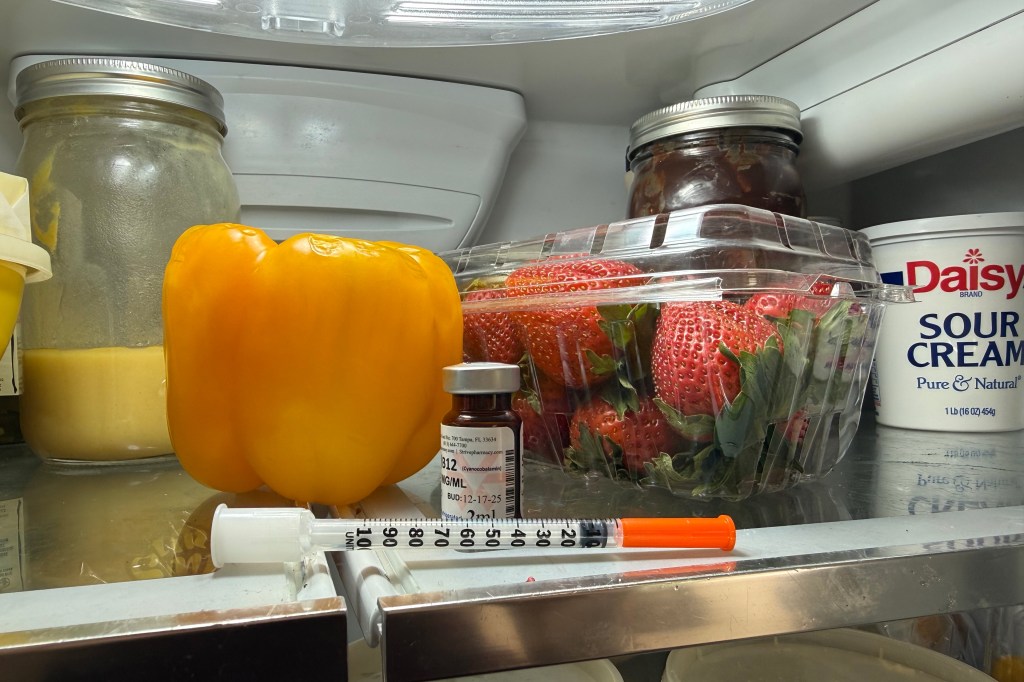
- OpenEvidence rolls out AI medical coding feature
- CDC’s Acting Chief Promises a Return to Stability in a Tumultuous Moment
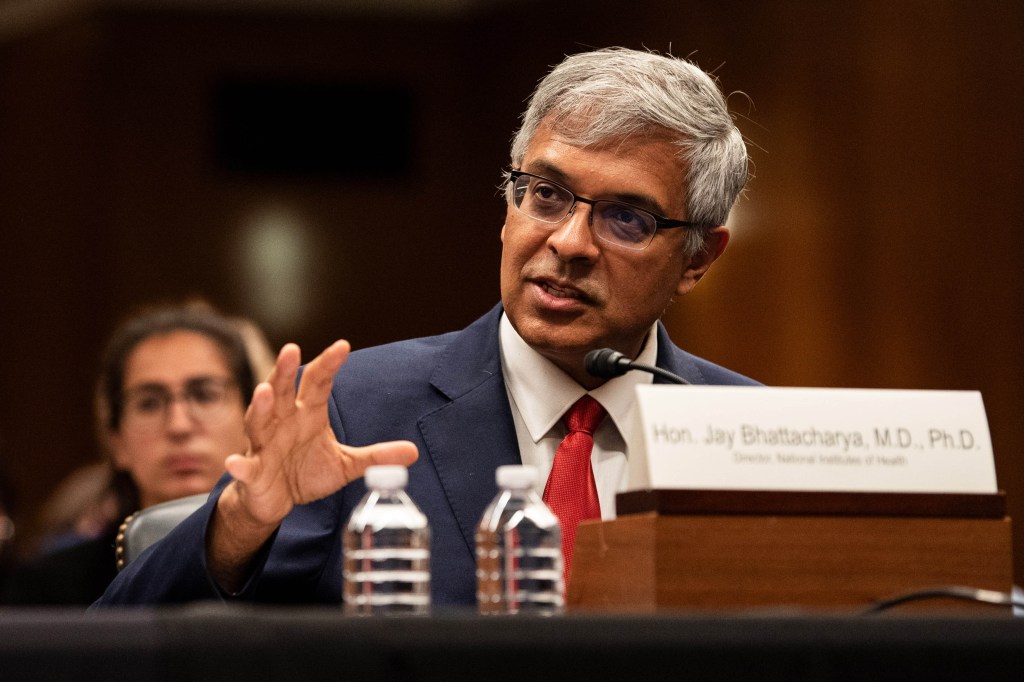
- Remarks at the Financial Stability Oversight Council Meeting
- RWJF: Between 5M and 10M people could lose Medicaid coverage in 2028 under work requirements
- New therapy animal program aims to support 100K patients, providers
- Pulse check on Lilly's GLP-1 fortunes
- Gen Z nurses prioritize schedule flexibility, need more manager interactions to avoid turnover
- How pharma marketers can capitalize on HCPs’ AI, social media and streaming habits
- Federal Officials Investigate States That Require Abortion Coverage
- Corcept's lead drug bounces back from FDA snub with different approval as Lifyorli in ovarian cancer
- Ionis slashes Tryngolza's price tag by 93% ahead of anticipated label expansion
- FDA approves Denali's Hunter syndrome drug, handing rare disease community a win
- Baby Walkers Sold on Amazon Recalled Over Fall Risk
- Want To Protect Your Brain? Science Says Exercise
- HelloFresh Pizza Recall Issued in 10 States Over Metal Risk
- Clinical Trials Have Too Much Data…That’s the Problem.

- Clinical Trials Have Too Much Data…That’s the Problem.
- CMS reveals new Medicaid model that supports coordination for children with complex needs
- Novartis sued by breast cancer patient over branded drug websites’ data-sharing practices
- Takeda targets $1.3B in cost savings in further restructuring
- Biogen pays $20M upfront to tap into Alteogen's subQ delivery tech
- 'Universal Donor' Blood Supplies Dangerously Low, Study Warns
- Why Stepping Outside May Help You Eat Better
- U.S. Medicine, Science Facing An Online Misinformation Siege, Poll Concludes
- Childhood Obesity Undercuts The American Dream For Some, Study Says
- Inclusive High Schools Benefit All Students, Not Just LGBTQ Teens
- Parental Loss Due to Drugs, Violence Raises Child Death Risk by 2,000%
- As Boehringer touts US launches, board chairman worries EU is 'falling further behind'
- The evolving state of exome and genome sequencing
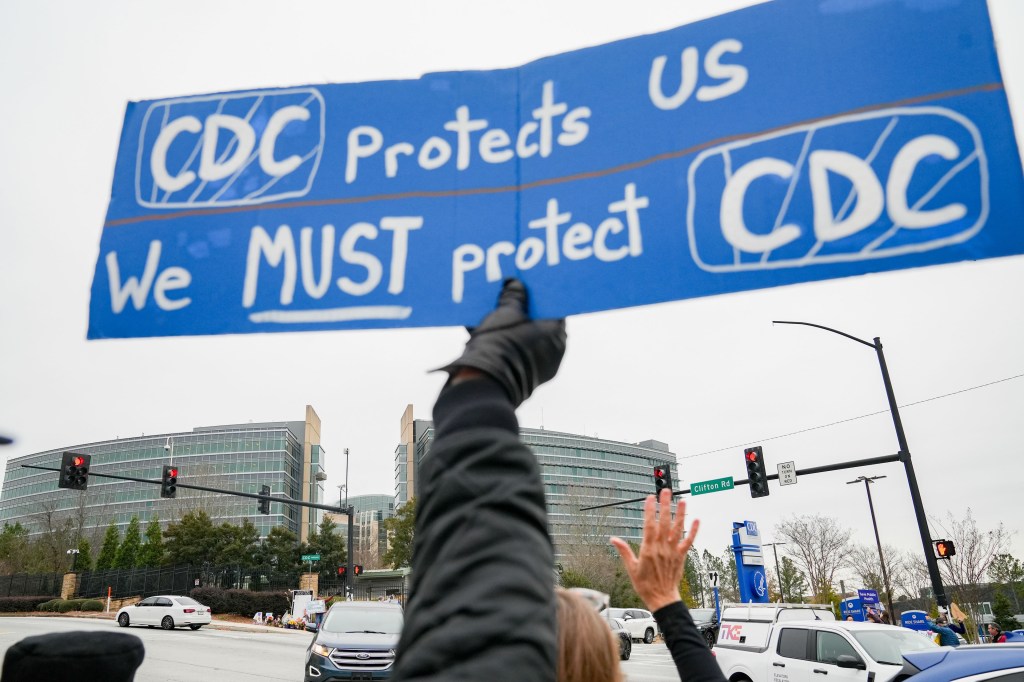
- Demoralized CDC Workforce Reels From Year of Firings, Funding Cuts, and a Shooting
- An Arm and a Leg: Steep Health Care Costs Steer Americans to Tough Decisions
- Qualified Health locks in $125M in fresh funding to scale enterprise AI at health systems
- Misery Loves [Investment] Company?: Remarks at the 2026 Investment Company Institute Investment Management Conference
- Study: Nearly 1 in 5 pediatric hospital deaths involve sepsis
- As expansions come online, CDMO Hovione aims to meet industry's 'dual supply and sourcing' zeal: exec
- Opening Remarks at the Digital Asset Summit 2026
- CVS Caremark, FTC reach settlement in insulin pricing case
- UCB unveils plan to build $2B biologics plant near its US headquarters in Atlanta
- PeaceHealth sued over plans to tap out-of-state staffer ApolloMD for Oregon EDs


How many days could SNAP continue if MDHHS and the Whitmer administration had prioritized secure Bridge Cards?
There's no point whining about the feds while Michigan wallows in Medicaid fraud, SNAP in particular.
FOR IMMEDIATE RELEASE: Oct. 23, 2025
CONTACT: Erin Stover, stovere@michigan.gov
MDHHS instructed by USDA to temporarily pause issuance of November SNAP benefits
LANSING, Mich. – The Michigan Department of Health and Human Services (MDHHS) received communication from the federal government’s Department of Agriculture (USDA) Food and Nutrition Service (FNS) indicating that due to the ongoing federal government funding lapse, there may be limited availability of funds to pay full November Supplemental Nutrition Assistance Program (SNAP) benefits for approximately 42 million individuals across the nation. FNS has unfortunately directed MDHHS to hold November SNAP issuance and ongoing benefits until further notice.
The federal government’s delay of SNAP benefits will place Michiganders at risk of food insecurity and poverty. SNAP, a critical program for families and individuals across Michigan to access food, is the nation’s largest food assistance program and one of the most effective tools to reduce food insecurity. Nearly 13% of Michigan households, approximately 1.4 million people, receive SNAP benefits. About 43% are families with children and 36% are families with members who are older adults or disabled.
“The impact of households losing SNAP benefits will be felt around the state,” said Elizabeth Hertel, MDHHS director. “SNAP is more than a food assistance program; it’s a lifeline for many Michigan families. It helps families put nutritious food on the table, supports local farmers and grocers, and strengthens our communities and economy. We are strongly disappointed by the USDA’s decision to delay this assistance, and in Michigan we will do what we can to help blunt this impact.”
SNAP participants should reach out to their local MDHHS office with any questions regarding their SNAP benefits or check MI Bridges for updates.
To find additional resources:
Dial 2-1-1 or visit Find Help - Michigan 2-1-1 for free, confidential assistance and referrals to local food programs and support services.
Visit the Food Bank Council of Michigan to locate nearby food banks and learn about additional hunger relief efforts.
How SNAP worksFNS administers SNAP at the federal level with states operating the program at the local level, determining eligibility and issuing benefits to eligible households.
SNAP benefits are provided on electronic benefit transfer (EBT) cards that participants can use to purchase food at grocery and convenience stores, farmers markets and other retailers, circulating money directly into the food supply chain and other retail sectors. SNAP spending generates revenue for grocery stores, farmers and other businesses, which helps pay local wages, keeps shelves stocked and boosts the local economy.
SNAP helps lift families out of poverty by allowing them to spend money that would otherwise have been used for food on other goods and services, including health-related activities. A 2021 study showed that infants and children in SNAP families are more likely to see a doctor for periodic check-ups. Additionally, older adults using SNAP are more likely to take the full dosage of prescription medications because they have enough income to afford food and medicine, compared to other older adults not participating in SNAP.
According to new economic analysis from the National Grocers Association, SNAP funding supports approximately 388,000 jobs, more than $20 billion in direct wages, resulting in over $4.5 billion in state and federal tax revenue.
SNAP in Michigan
In FY 2024, the average SNAP household in Michigan received $335.03 in SNAP benefits per month, which is about $173 per person per month or $5.68 per person per day. Households with very low incomes receive more SNAP benefits than households closer to the poverty line because they need more help affording nutritious food.
492,225 children benefit from SNAP.
38,513 veterans participating in SNAP.
36% SNAP households have older adults.
43% SNAP households have children.
51% households have a person with a disability.
78% of SNAP households include someone with earned income.
In Michigan, more than 9,700 retailers accept SNAP. In 2023, retailers redeemed over $3.6 million in SNAP.To be eligible for SNAP in Michigan, applicants must be a U.S. citizen (or acceptable non-citizen status) and must live in Michigan. Eligibility is based on the financial situation of all members of a household. Everyone who lives together, purchases and prepares food together is considered a member of the same household group. In order to determine if a household is eligible for SNAP, MDHHS will review a household’s expenses, assets and income. Expenses include rent, mortgage, utility bills, child support and dependent care expenses. For individuals with a disability or who are at least 60 years old, medical care, medical supplies and health insurance premiums may be included as an expense.
# # #

Nationwide cessation of SNAP benefits, commencing this Saturday:
US Department of Agriculture says no food aid benefits will be issued next month
By Jasper Ward - October 26, 2025WASHINGTON, Oct 25 (Reuters) - The U.S. Department of Agriculture said on Saturday that food benefits under one of the country's biggest social assistance programs will not be issued next month amid the ongoing federal government shutdown.
The shutdown is now in its 25th day, with Republicans and Democrats in Congress remaining at an impasse over how to fund and reopen the federal government.Read about innovative ideas and the people working on solutions to global crises with the Reuters Beacon newsletter. Sign up here.
"Bottom line, the well has run dry," the U.S. Department of Agriculture said in a post on its website. "At this time, there will be no benefits issued November 01."More than 41 million depend on the monthly payments, according to the USDA. In some states, like New Mexico, dependence on the program is as high as 21% of residents, it said.
The agency's announcement came after more than 200 Democrats in the U.S. House of Representatives on Friday called on USDA to draw on its emergency reserves to fund November food benefits.
However, according to a memo seen by Reuters, the department indicated that it would not do so.
Governors in Louisiana, opens new tab and Virginia declared states of emergencies this week to make funds available to help with hunger relief in anticipation of SNAP benefits not being issued next month.
USDA's Special Supplemental Nutrition Program for Women, Infants, and Children (WIC) has been kept afloat during the federal government shutdown with $ 300 million of Trump tariff money, but those funds are about exhausted. It appears unlikely that more Trump tariff money can be diverted what with all the legal actions against the Trump tariffs:
https://thehill.com/homenews/5574103-snap-could-run-out-nov-1-what-about-wic/
SNAP could run out Nov. 1: What about WIC?
By Addy Bink - October 26, 2025(NEXSTAR) — As the government shutdown continues, more than 40 million people are on the precipice of missing out on receiving their SNAP benefits come November.
Should the shutdown continue into November, millions of others who receive food assistance through WIC — the Special Supplement Nutrition Program for Women, Infants, and Children — may find themselves without benefits as well.
Like SNAP, WIC — which supports low-income pregnant women, new mothers, infants, and young children — is overseen by the U.S. Department of Agriculture but run by state agencies. It’s typically considered a short-term assistance program, with qualification depending on whether someone is pregnant, has had a baby within the last six months, provides breastmilk to an enrolled baby under the age of 1, or cares for a child under the age of 5.
Nearly 7 million people in the U.S. receive WIC benefits, according to the National WIC Association (NWA).
SNAP benefits may run out Nov. 1. Here’s how you could still get food assistance
At the start of the shutdown, the NWA warned that while program funds were low, benefits would continue for roughly a week or two. WIC can reallocate unused grant money from the previous fiscal year to support benefits under the USDA’s shutdown contingency plan as well, but only for a short time.On Oct. 7, WIC received a lifeline as the White House said it would infuse the program with $300 million from President Trump’s tariff revenues to maintain benefits through the month.
Nearly three weeks later, with the shutdown still on, funds are getting tight at WIC again.
“The National WIC Association is grateful for the emergency funds that kept WIC running this month. However, without additional support, State WIC Agencies face another looming crisis,” Georgia Machell, the president and CEO of the NWA, said in a Tuesday press release. She went on to say several state agencies will run out of funds on November 1 and “may need to start making contingency plans” this week.
“NWA is calling on the White House to make additional emergency funds available to avoid a short-term crisis for the millions of American families who count on WIC while Congress negotiates full-year funding for FY 2026,” Machell added.
On Friday, 44 organizations signed on to a letter from NWA that was sent to the White House, calling for additional emergency funds. The letter said the funding is needed this week “to avoid major disruptions to WIC” starting on Saturday when the calendar flips to November.
Without funds, state agencies “may be forced to take drastic measures that prevent families from accessing the services they need, such as halting food benefits,” Machell said in Tuesday’s release.
Some states are stepping in to ensure funding. In early October, Connecticut Governor Ned Lamont said the state would use funds from its reserves to keep its WIC program operating.
Officials in Forsyth County, North Carolina, said the state’s Department of Health and Human Services announced Friday that “funding for WIC is expected to be available at least through November 15th.”
Health officials in Kansas said available WIC food money should last into November, Nexstar’s KSNT reported, though the state’s WIC agency has temporarily stopped making formula available for pickup at local clinics because of the government shutdown.
The California Department of Public Health is encouraging those enrolled in WIC to continue using their benefits “unless your local WIC office tells you otherwise.” Officials told KQED on Wednesday that the state’s WIC program expected to remain “full operational through November 30, assuming no unexpected changes at the federal government level.”
Cholesterol medication recalled over ‘failed dissolution specifications’: What to know
Health officials in Utah and Minnesota said their WIC programs will continue to be available into November.New York’s WIC program “is not expected to” be impacted by the government shutdown, according to its website. Michigan’s WIC program says it remains open.
In addition to requesting funds to keep SNAP up and running, Colorado Governor Jared Polis said last week that WIC access had been extended in the state. Colorado WIC said in an update Wednesday that “the program can continue through at least October 2025.”
If you’re unsure about whether your WIC benefits will be interrupted next month, you may want to contact your local agency.
Without funds, state agencies “may be forced to take drastic measures that prevent families from accessing the services they need, such as halting food benefits,” Machell said in Tuesday’s release.
Or maybe people will make their own connections without government in the middle.
The secret Democrat, anti-Trump Attorney General group (which includes Michigan's Dana Nessel) is going to sue to force HHS to fund SNAP, despite there being no legislative appropriation. Others claim that there is $ 5 billion of the $ 9 billion needed for the month of November in "contingency fees":
Democrats plan to sue over food aid as GOP splits on legislative patch
The lawsuit will challenge a Trump administration decision not to tap a key SNAP contingency fund amid the shutdown.
By Meredith Lee Hill - October 27, 2025Dozens of Democratic attorneys general and governors are planning to sue President Donald Trump’s administration Tuesday over its decision to not tap emergency funds amid the government shutdown to keep food aid flowing to 42 million Americans next month, according to three people granted anonymity to discuss the matter ahead of a public announcement.
Trump officials concluded in a Friday memo that they cannot legally tap a $5 billion contingency fund for the Supplemental Nutrition Assistance Program amid the shutdown to pay benefits in November. Some in the administration believe, with $9 billion needed to fund SNAP payments for the month, there is no time to distribute smaller payments to individual states.
Administration officials anticipated their legal determination would be challenged in court, POLITICO reported last week, and there are no serious efforts underway at USDA to find other sources of funding, according to two other people granted anonymity to discuss private deliberations. But some GOP lawmakers whose constituents would be clobbered by a first-ever lapse of federal food benefits, are pushing for some kind of patch to prevent that from happening.
Senate Republicans are divided over whether to vote on a standalone bill to keep SNAP beneficiaries — many of whom live in rural and Hispanic-majority Republican districts — from losing assistance. Many argue Democrats will be at fault if the Friday deadline barrels past with no fix as they continue to push Democratic senators to vote for the stopgap spending bill the House passed last month.
Senate Majority Leader John Thune argued Monday the best way to fund SNAP was for Democrats to vote to reopen the government, though he said GOP senators would discuss the issue during their Tuesday policy lunch.
Republicans, for now, don’t believe Thune will put a SNAP funding carve-out to a vote this week, according to two senators and three aides granted anonymity to discuss GOP party strategy.
But a growing number of Senate Republicans — including some within Thune’s own leadership circle — are publicly saying Congress needs to fund SNAP whether or not Democrats relent on overall government funding, lest millions without food aid before Thanksgiving.
“Yeah, I would vote for that,” Sen. Shelley Moore Capito (R-W.Va.) said in a brief interview Monday about supporting a standalone SNAP bill.
Capito, who chairs the Senate GOP policy committee and whose constituents are heavily reliant on SNAP, said she didn’t want the program to lapse during the shutdown.
Senate Appropriations Chair Susan Collins and a handful of other Republican senators have signed on to a bill from Sen. Josh Hawley (R-Mo.) to fund the program, and they are pushing for a vote this week.
Asked Monday if she wants the administration to allow SNAP to be administered in November, Collins replied, “I certainly do.”
Collins said she wrote to Agriculture Secretary Brooke Rollins last week and “strongly recommended that she use the $5 billion in contingency fees.” She said she hadn’t heard back from the secretary.
Republican and Democratic aides believe a SNAP carve-out would pass in the Senate, but bringing it up for a vote this week would require all 100 senators to agree to fast-track it to the floor.
Privately, Republicans fear allowing a standalone vote on food aid would relieve key pressure on Democrats and potentially prolong the shutdown. Passing it would also mean bringing the House back into session to send it to Trump’s desk, something Speaker Mike Johnson has been trying to avoid.
“If we could figure out a way to find something Democrats will vote for, we’d love to do that, but right now, we could fully fund the SNAP program by reopening the government,” Sen. Markwayne Mullin (R-Okla.) said. “We could do that in 30 minutes from now.”
Asked if he would support a standalone SNAP bill, Mullin replied, “I would support opening the government back up.”
Further information on the political conflict over SNAP in a Michigan Advance article, including the letter from Michigan's Democratic U.S. Congressional delegation:
Michigan’s Nessel and 22 other state attorneys general demand answers on SNAP funding lapse
By Katherine Dailey - October 27, 2025Michigan Attorney General Dana Nessel joined 22 other state attorneys general in sending a letter on Friday to Department of Agriculture Secretary Brooke Rollins pressing for answers on the lapse in funding for the Supplemental Nutrition Assistance Program benefits, also known as SNAP, coming at the end of the month.
The state’s Department of Health and Human Services announced Thursday morning that they had been instructed by the U.S. Department of Agriculture to pause benefits for the month of November due to the ongoing federal shutdown.
The letter “request[s] further clarification and information from USDA about (1) how it determined this action was necessary, and (2) its “contingency plan” to ensure benefits are issued to the maximum extent possible during the federal government shutdown.”
Specifically, it questions the legal basis of the benefits pause, as well as the implications of it — especially the federal government’s plan not to use contingency funds or to reallocate other funding sources to partially subsidize SNAP for November.
“The Trump Administration should use all available funds to ensure SNAP benefits are not paused and be upfront about how they plan to move forward so Americans continue receiving the support they need during this time of uncertainty,” Nessel said in a press release from her office.
A similar letter was also sent Friday to Rollins by all six of Michigan’s Democrats in Congress; Reps. Debbie Dingell of Ann Arbor, Kristen McDonald Rivet of Bay City, Hillary Scholten of Grand Rapids, Haley Stevens of Birmingham, and Shri Thander and Rashida Tlaib, both from Detroit.
The letter from the AGs cited a $6 billion appropriation of emergency funds for SNAP funding — by most estimates, around two-thirds of what would be required to fully fund the program for November — and argues “USDA should surely use those funds to continue providing SNAP benefits, rather than effectively suspending all SNAP benefits by summarily ordering States to ‘hold’ already calculated November allotments.”
It also questioned the legality of the way that the department went about pausing the benefits, in that they did not cite their reasons for the pause beyond the federal shutdown — and whether it is a “cancellation” or a “suspension” of the November benefits, an important distinction under the law.
“USDA does have some authority to reduce SNAP benefits, or even suspend or cancel them under certain circumstances,” the release from Nessel’s office said. “However, USDA’s October 10 letter does not indicate that any of the legal requirements to do so have been met.”
“In particular, rather than reducing November allotments consistent with statutory criteria, and requiring States to recalculate their files accordingly, USDA directed States to simply ignore the already-calculated November files altogether and effectively suspend SNAP benefits indefinitely,” the letter added.
The attorneys general also sent Rollins and the department a series of questions about the availability of contingency funds and whether or not the department intended to use them. However, the Department of Agriculture has said in a memo released Friday that they cannot legally use these contingency funds while the government is not funded — a rollback of previous statements from the department.
Responses to those questions from Rollins were requested by the end of the day on Monday.
The bureaucratic state meets the US Constitution. We'll see who wins!
Michigan House Democrats now propose SNAP benefits be paid out of state coffers during the remainder of the federal shutdown. Who knew the Michigan budget had $ 900 million in slack after the FY 2026 state budget kerfuffle? Exactly why was the FY 2026 budget so difficult to create and pass?:
Michigan House Democrats unveil plan to fund SNAP amid federal government shutdown
By Clara Hendrickson - October 29, 2025
Detroit Free PressDemocrats in the Michigan House of Representatives want to use state funding to maintain food assistance benefits slated to come to a halt amid the federal government shutdown.
The U.S. Department of Agriculture's Food and Nutrition Service recently directed the Michigan Department of Health and Human Services to pause Supplemental Nutrition Assistance Program (SNAP) starting in November. Michigan receives on average $260 million a month from the federal government for the nearly 1.4 million people in the state who receive SNAP benefits, according to State Budget Office Director of Communications Lauren Leeds.
President Donald Trump's administration has argued that the USDA cannot use contingency funds to pay for SNAP during the federal government shutdown, which recently entered its fifth week. Michigan Attorney General Dana Nessel has joined a multi state lawsuit against the administration seeking a court order to direct funding for SNAP benefits.
Under pending legislation from Michigan House Democrats, an emergency supplemental spending measure would appropriate $900 million in state funding for SNAP benefits, according to a news release. The funds would come from previously funded state projects that have lapsed. Also, two separate bills would provide an additional $12.5 million to the Food Bank Council of America and food pantry programs, respectively from the General Fund, the state's largest pot of discretionary funding. The bills still need to be introduced.
"As state lawmakers, we must quickly collaborate with our constituents, nonprofit and faith-based food providers, and retailers to ensure Michiganders have access to adequate food, especially as we approach the winter season and the holidays, while food prices continue to rise. This is why I am introducing legislation to provide food to vulnerable people and support food banks and pantries in this time of crisis," said state Rep. Tonya Myers Phillips, D-Detroit in a statement.
While Democratic state lawmakers have blamed Trump and Republicans for the federal government shutdown, Republican legislators point their fingers at Democrats in Washington, D.C. "Senate Democrats are refusing to vote for a simple continuation budget that would keep essential programs like SNAP running while Congress works out a longer-term deal. Because of their inaction, families who did nothing wrong are paying the price. It’s shameful, and it needs to end," said Michigan House Appropriations Chair state Rep. Ann Bollin, R-Brighton Township, in a recent statement. Both Democrats and Republicans in Michigan have pointed to the state budget they recently passed to avert a state government shutdown as evidence that lawmakers can still work together across the aisle.
It's not clear whether the proposed SNAP spending plan will make its way to Gov. Gretchen Whitmer for her signature. Republicans hold a majority in the Michigan House while Democrats control the Michigan Senate. A spokesperson for Michigan House Speaker Matt Hall, R-Richland Township, did not immediately respond to a request for comment. A spokesperson for Majority Leader Sen. Winnie Brinks, D-Grand Rapids, did not immediately provide a comment.
When asked whether the governor wants to see state lawmakers pass a supplemental spending measure to provide state funding for SNAP before House Democrats unveiled their plan, Whitmer Press Secretary Stacey LaRouche referred the Detroit Free Press to the State Budget Office. Leeds — the office's communications director — said in an emailed statement Oct. 28: "While federal action is needed to fully restore these benefits, the State of Michigan is working to support residents through this disruption by staying in close contact with federal partners, keeping residents informed, and helping families find local food and assistance resources through MI Bridges, Michigan 2-1-1, and the Food Bank Council of Michigan."
LaRouche did not immediately provide comment Oct. 29 to a follow-up request on House Democrats' spending proposal.
An entertaining look at SNAP benefits from the Daily Caller and Numerator. An offset to the "babies will starve" stories in the Democratic run media:
Left’s Anti-Trump Mania Makes Them Defend What They’ve Always Hated Most
By Natalie Sandoval - October 29, 2025Corporate America is the forgotten beneficiary of food assistance programs.
A quick search for “EBT eligible food” on Amazon returns a pantry of non-essential items.
* Red Bull energy drinks.
* Raw, premium, unpasteurized Manuka honey.
* Organic ground coffee containing some amount of lion’s mane mushroom.
* Oreo Sticks ‘N Creme, a product which contains no actual cream.
* 2.2 lbs of Nutella hazelnut spread.
* Enormous bags of Halloween candy.Walmart captures nearly a quarter of the money spent through Supplemental Nutrition Assistance Program (SNAP) on consumer packaged goods and general merchandise, according to a June report from Numerator. Other companies which capture a high percentage of SNAP dollars: Kroger (8%), Costco (6%), Amazon (5%).
That’s money from your paycheck, into the hands of the supposedly needy, into the hands of Walmart.
A sizable percentage of Walmart’s own employees are on food stamps, according to a 2020 study from the Government Accountability Office (GAO) conducted at the behest of independent Vermont Sen. Bernie Sanders.
“Walmart was one of the top four employers of SNAP and Medicaid beneficiaries in every state. McDonald’s was in the top five of employers with employees receiving federal benefits in at least nine states,” The Washington Post summarized.
Sanders accused companies like Walmart and McDonald’s of depending on “corporate welfare from the federal government by paying their workers starvation wages,” according to the Post.
Sanders would likely balk at weakening our “corporate welfare” system by simply decreasing the number of welfare beneficiaries. About 42 million Americans receive SNAP benefits. Those benefits are set to freeze come November, due to the government shutdown.
Democrats have opted to frame the freeze in literal life-or-death terms.
“They [Republicans] are going to let seniors, children, veterans, and millions of Americans starve,” Democratic New Mexico Rep. Melanie Stansbury alleged on CNN.
Not to mention the Skittles manufacturers!
A slew of state-dependent restriction waivers will be implemented in 2026, restricting purchases of certain non-essential items like sweetened drinks, candy, and energy drinks.
Numerator notes that households receiving SNAP benefits “are skewing higher income,” with 23% of SNAP households bringing in $80,000 or more per year. The share of SNAP households in that income range is reportedly up 6 points from 2020.
Numerator also claims that 65% of SNAP households don’t have children, up 5 points from 2020.
The highest share of wallet among SNAP shoppers goes to baby products, according to Numerator. The next highest share, at 18%, are “limited-service restaurant[s].” Think McDonald’s or Taco Bell.
In other words, your tax dollars are paying for their Chalupas. There’s a better case to be made for subsidizing their pilates classes, judging by the rotundity of those publicly complaining about losing their food stamps. (RELATED: Democrats Brutally Roasted For Rolling Out Morbidly Obese Woman To Defend Food Stamps)
Another indignity: About 59% of illegal immigrant households use welfare, according to a March report from the Center for Immigration Studies. About 48% of illegal immigrant households use food-related welfare, as compared to 25% of native households. Food-related welfare includes SNAP, the Women, Infants, and Children (WIC) program, and free or reduced-price school meals.
Food stamps are supposed to provide temporary assistance in times of dire need. Not a government-ensured lifetime supply of McDonalds. The left reserves little ire for the junk food manufacturers who benefit from this set-up. They reserve even less thought as to how we might encourage SNAP shoppers to get off the program.
They demand we happily fund a forcible charity scheme, no questions asked, forever.
Speaker Hall is blocking the $ 71 million bill passed on party lines yesterday in the Michigan Senate to replace federal SNAP food assistance, saying Thursday the plan is “fake,” “performative” and “political". There is also a resolutions duel over Senate Concurrent Resolution 7 of 2025, which was revised in the Michigan House and returned to the Senate yesterday:
Michigan House speaker rejects Senate’s $71M food aid bill ahead of SNAP pause
By Michael Kransz | October 30, 2025The Michigan House speaker signaled he will be blocking the Senate’s $71 million plan to help feed families amid a pause in federal food assistance, saying Thursday the plan is “fake,” “performative” and “political.”
House Speaker Matt Hall, R-Richland Township, told reporters Thursday evening, Oct. 30, that the way the Senate passed the legislation would cause a delay in getting aid out to families.
“When we’re facing a crisis where the food banks are going to get such a demand, people are not going to get this benefit and they’re struggling to pay their bills and to get food,” he said. “The answer is not what the Senate Democrats did, which was to pass a bill that couldn’t do anything for many weeks. What we did was work together, look within the budget and figure out how we’re going to solve this problem now while there’s a need, and that’s what the governor and I did with this $4.5 million to the Food Bank Council (of Michigan).”
One reason the bill is “performative,” Hall said, is that the House can’t immediately take up the Senate bill for consideration and get it to the governor’s desk to sign into law due to a five-day layover rule.
The Senate could have bypassed this rule by working with the House to add the $71 million plan to a Senate bill already pending in the House, Hall said.
Even with the layover rule, the House would be able to pass the bill next week. The Senate approved the supplemental funding bill in a 27-4 bipartisan vote.
Hall also claimed the Senate also won’t be present next week. The Senate calendar shows sessions are scheduled as usual next week.
Senate Majority Leader Winnie Brinks, D-Grand Rapids, declined to comment on Hall’s remarks.
Regardless of timing, Hall said, the proper way to solve the upcoming pause in Supplemental Nutrition Assistance Program (SNAP) benefits for the nearly 1.4 million Michiganders who rely on them is to utilize funds already in the budget.
He championed what he said was his work with Gov. Gretchen Whitmer in disbursing $4.5 million on Thursday to help support food banks around the state. That’s part of a $30 million pot in the budget that can be used for emergencies like this, he said.
Due to the ongoing federal shutdown, the U.S. Department of Agriculture has notified Michigan and other states that SNAP benefits will be paused for the month of November. The USDA has directed states to not issue partial benefit payments.
SNAP, formerly known as food stamps, provides food assistance to lower-income residents. Nearly 13% of Michigan households, including about 492,000 children, rely on SNAP to buy groceries.
The average eligible household in Michigan received $335 in monthly SNAP benefits last year. Benefits are put on debit cards, known as electronic benefit transfer (EBT) cards, that can be used to buy food at grocery stores, farmers markets and other retailers.
This week, Whitmer joined 20 other governors in calling on President Donald Trump to use contingency funds to continue SNAP benefits without interruption. Attorney General Dana Nessel also joined 22 other attorneys general and three governors in suing the USDA for what they say is an unlawful suspension of SNAP benefits.
Hall said the $4.5 million being disbursed to food banks around the state will cover the first two weeks of November. The Food Bank Council of Michigan, which will receive and distribute the funds, will provide state leaders with a report on how the money was spent and whether it met the need.
That assessment will be used to determine whether the state needs to allocate more resources.
“As that money runs out, we’re committed to working with (Whitmer) to find sources of state money to do the things that we can do, which is what we’re doing here. That’s a real solution,” Hall said. “That’s meeting the needs of the Food Bank Council as the demand is going to go up for them so that food is available in all 83 counties for people across our state that have a need.”
The $71 million supplemental funding bill passed Thursday by the Michigan Senate offers a four-prong solution.
The plan would allocate $50 million to refill EBT cards, starting first with those most in need.
Another $10 million would support food banks, and an additional $10 million would support a program to purchase and distribute surplus produce from Michigan farms to low-income residents in the state.
The remaining $1 million would go toward the state’s Double Up Food Bucks Program, which provides a dollar-for-dollar match on purchases of fruits and vegetables with food assistance benefits.
“Today, in the state Senate, our majority did our part to help,” Brinks said earlier Thursday of the bill’s passage. “But President Trump and federal Republicans can use the same power that created this emergency to end it – releasing SNAP funds immediately and ending the shutdown before the impacts get even worse.”
Hall warned that other federal benefits and support programs, like the Special Supplemental Nutrition Program for Women, Infants and Children (WIC), will also face pauses in funding if the shutdown continues.
He said the state doesn’t have the resources to backfill all of the lost federal funds, and he called on the U.S. Senate to pass a temporary funding bill to end the shutdown.
“What we don’t have the resources to do is to fill SNAP and WIC and every single one of these programs that are going to start coming one by one as a result of the federal government shutdown,” Hall said. “That’s where we need our U.S. senators to step up, pass a clean continuing resolution and then work out their political differences with the expanded time.”
WIC is a federally funded program that serves low and moderate income pregnant, breastfeeding and postpartum women, as well as infants and children up to age 5 who are at nutritional risk. The program provides nutrition education, supplemental foods, breastfeeding support and referrals to healthcare.
The federal government shutdown driving the pause on SNAP funds began Oct. 1 when Congress failed to pass either a temporary or full spending bill for the new fiscal year.
Democrats and Republicans in Washington continue to blame each other for the partisan standoff. That dispute involves Democrats preventing a spending bill from being passed until Republicans agree to continue subsidies for the Affordable Care Act, also known as Obamacare.
“Bottom line, the well has run dry,” a notice atop the USDA.gov webpage states. “At this time, there will be no benefits issued November 01. We are approaching an inflection point for Senate Democrats.”
Nessel and other attorneys general contend in their lawsuit that the USDA can use billions in contingency funds appropriated by Congress to continue SNAP benefits next month. In a USDA memo obtained by Axios, the agency claims contingency funds are “not legally available.”
Michigan AG Dana Nessel and her secret cabal of anti-Trump AGs drew U.S. District Judge Indira Talwani in their SNAP funding lawsuit. Judge Talwani was appointed by President Obama and has been very active in opposing the Trump Administration's agenda. Somehow, she keeps winning the "random selections" to hear cases opposing Trump Administration actions, despite being repeatedly reversed by the U.S. Supreme Court.
It appears the judge will order a partial benefits distribution, which should cause widespread chaos in antiquated state level computer systems:
US judge skeptical Trump administration can legally suspend food benefits
By Nate Raymond - October 30, 2025Summary
* Democratic-led states ask judge to block SNAP benefits from being cut off
* USDA says it will not use contingency funds for food aid
* States seek ruling before SaturdayBOSTON, Oct 30 (Reuters) - A federal judge in Boston on Thursday said it appeared to her that President Donald Trump's administration cannot legally suspend all food aid for millions of Americans amid the ongoing government shutdown as it plans to do starting Saturday.
U.S. District Judge Indira Talwani said she planned to decide later on Thursday whether she should force the U.S. Department of Agriculture to use some of the $5.25 billion in contingency funds it has on hand to pay for the Supplemental Nutrition Assistance Program, also known as food stamps.
Jumpstart your morning with the latest legal news delivered straight to your inbox from The Daily Docket newsletter. Sign up here.
Lawyers for 25 Democratic-led states and the District of Columbia during an hour-long hearing asked the judge to issue a temporary restraining order that would ensure the government at least partially funds the SNAP benefits, which 42 million Americans rely upon.The USDA has said insufficient funds exist to pay full benefits, which cost $8.5 billion to $9 billion per month. Justice Department attorney Jason Altabet told the judge that USDA lacked the authority to disburse any funds for the benefits until Congress passes a spending bill ending the shutdown that began October 1.
But Talwani, an appointee of Democratic President Barack Obama, questioned how the administration came to conclude it could pay out nothing at all when Congress provided the USDA with contingency funds it still has available in case of an emergency.
"It's hard for me to understand how this isn't an emergency when there’s no money and a lot of people are needing their SNAP benefits," she said.
The judge said Congress and USDA's own regulations instead appeared to intend for the agency to "tighten belts" if, for the first time in the SNAP program's history, it could no longer fully fund benefits for nearly 42 million low-income Americans.
"We're not going to make everyone drop dead because it’s a political game," she said.
The USDA's shutdown plan, released last month, had said contingency funds were available to keep funding SNAP benefits in the event Congress did not enact spending legislation that would avert the lapse in funding that began October 1.
But on Saturday the department updated its website to say no benefits would be issued on November 1 as scheduled, stating "the well has run dry," prompting the states to sue on Tuesday.
SNAP benefits are available to Americans whose income is less than 130% of the federal poverty line, or $1,632 a month for a one-person household, or $2,215 for a two-person household in many areas. States are responsible for the day-to-day administration of the benefits, which are paid out monthly.
Democrats and Republicans in Congress have traded blame for the shutdown and for the risk that SNAP benefits could lapse as the funding impasse continues.
But the states, led by Massachusetts, California, Arizona and Minnesota, say the lapse is unnecessary given the existence of the contingency funds, which would cover a portion of the benefits and by law are intended to be used as “necessary to carry out program operations."
“Millions of Americans are going to lose benefits they’ve had for decades," Michelle Pascucci, a lawyer with the Massachusetts attorney general's office, said during the hearing.
She argued that USDA lacks the discretion to stop funding benefits absent a complete lack of funding and by law must continue paying out as long as Congress has appropriated funds that can be used for those purposes, even if it could only make a partial distribution.
Altabet, the Justice Department attorney, warned that a ruling in the states' favor would result in an operationally fraught situation for USDA, saying officials were "legitimately scared" if the antiquated systems some states use could handle an unprecedented partial benefits distribution.
"The agency thinks it would be catastrophic," he said.
While the temporary restraining order the states had proposed would only apply to them, Talwani said that the way the law governing SNAP worked, any decision she issued would have a national impact as benefits cannot be reduced based on where people live or "what political party they are."
"I can’t consider this in only the terms of half the nation," she said.
Yesterday, Obama Judge John McConnell of the District of Rhode Island announced that he would order the U.S. Department of Agriculture to distribute a pool of restricted contingency funds "as soon as possible." Almost simultaneously, Obama Judge Indira Talwani of the District of Massachusetts ruled that the US government must announce by November 3rd whether they would authorize at least partial funding for the SNAP program using around $ 5 billion in contingency funds. The SNAP program requires about $ 9 billion per month and neither judge addressed how to manage the $ 4 billion shortfall.
President Trump said the two courts issued conflicting opinions on how the SNAP benefits can be funded during the shutdown, so he instructed DoJ lawyers to ask the court to clarify how his administration can legally fund the program.
“Our Government lawyers do not think we have the legal authority to pay SNAP with certain monies we have available, and now two Courts have issued conflicting opinions on what we can and cannot do. I do NOT want Americans to go hungry just because the Radical Democrats refuse to do the right thing and REOPEN THE GOVERNMENT,” President Trump said on Truth Social.
Finally, a decent explanation of the USDA contingency fund and why it cannot be expended on SNAP or any other program not approved by Congress:
https://thehill.com/homenews/administration/5584863-new-snap-restrictions-november-shutdown/
New SNAP restrictions go into place amid shutdown drama
By Ryan Mancini - November 1, 2025New Supplemental Nutrition Assistance Program (SNAP) rules are going into effect on Saturday, even as benefits will already not be issued through November without federal funding due to the government shutdown.
The United States Department of Agriculture’s (USDA) website, where millions of Americans can review their options and apply, details how “the well has run dry” to issue program benefits. Atop the page, the USDA blames Senate Democrats for benefits not being issued starting Saturday.
“Senate Democrats have now voted 13 times to not fund the food stamp program, also known as the Supplemental Nutrition Assistance Program,” the page reads. “At this time, there will be no benefits issued November 01. We are approaching an inflection point for Senate Democrats. They can continue to hold out for healthcare for illegal aliens and gender mutilation procedures or reopen the government so mothers, babies, and the most vulnerable among us can receive critical nutrition assistance.”
While SNAP benefits will not be issued until funding continues, President Trump’s One Big Beautiful Bill Act also places new restrictions into effect starting Saturday. These changes are expected to push some people out of the program after an estimated $186 billion federal spending cut over the next decade.
Able-bodied adults without dependents (ABAWDs) could see the biggest change in needing to prove they work at least 80 hours a month, are pursuing an education or are in a training program to remain qualified for SNAP. Should they not have proof, they will receive SNAP benefits for a total of three months maximum.
Additionally, any able adults under 65 must prove they are working to continue receiving benefits. Parents with dependents under 14 are now exempt from the work requirements, whereas before it applied to parents with dependents under 18 years old. Young adults, veterans and homeless people must now meet work requirements to receive over three months of benefits.
Another change in effect will impact “non-citizen eligibility for SNAP” for immigrants, including non-citizen U.S. nationals, lawful permanent residents, Cuban and Haitian entrants and those who are undocumented.
State agencies will have to review “household circumstances to take appropriate action” during an immigrant’s certification for benefits period before notifying that individual that they are no longer eligible for SNAP, according to the USDA’s website.
Refugees granted asylum and human trafficking survivors, meanwhile, will lose their benefits, according to a memo from Oregon’s Department of Human Services.
What remains an issue is if the USDA will use its contingency funding to allow SNAP benefits to be paid for through November. On Friday, a federal judge blocked the Trump administration from cutting off SNAP benefits. U.S. District Judge John McConnell rejected the argument that emergency funding can only be used for those impacted by natural disasters.
“SNAP benefits have never, until now, been terminated,” McConnell said at a hearing. “And the United States has, in fact, admitted that the contingency funds are appropriately used during a shutdown and that occurred in 2019.”
There is around $5.25 billion reserved to cover the program in November, but it does not fully cover the $9.2 billion that Secretary of Agriculture Brooke Rollins has said the federal government would have to spend for the program.
On Friday, Rollins told reporters that it Democrats were wrong in suggesting that the contingency fund could be used.
“If today, say for example Democrats say, ‘Oh, never mind, sorry, we’ll reopen the government,’ and SNAP flows, Hurricane Melissa or one of the hurricanes hits, that’s the contingency fund that we would use to send more money into the vulnerable communities that are harmed by a specific event like a hurricane,” Rollins said.
“But it is a contingency fund that can only flow if the underlying appropriation is approved,” she continued. “And listen, even if it could flow, it doesn’t even cover half of the month of November. So here we are again, in two weeks having the exact same conversation.”
Later on Friday, Trump indicated that he would fund SNAP, but noted that they would be delayed for the month of November.
“Our Government lawyers do not think we have the legal authority to pay SNAP with certain monies we have available, and now two Courts have issued conflicting opinions on what we can and cannot do,” Trump posted on Truth Social.
“I do NOT want Americans to go hungry just because the Radical Democrats refuse to do the right thing and REOPEN THE GOVERNMENT,” he continued. “Therefore, I have instructed our lawyers to ask the Court to clarify how we can legally fund SNAP as soon as possible.”
Also Friday: AG Nessel declares victory.
AG Nessel Announces Victory on SNAP Case
After Lawsuit Brought by Coalition of 23 Attorneys General, and 3 Governors, Court orders USDA to fund SNAPLANSING – After joining a multi-state lawsuit against the U.S. Department of Agriculture (USDA), Michigan Attorney General Dana Nessel has announced that Judge Indira Talwani from the U.S. District Court for the District of Massachusetts has ruled that the USDA must use $5.25 billion in contingency funds for the Supplemental Nutrition Assistance (SNAP) Program.
According to the USDA’s response to the Court, the $5.25 billion in contingency funds will not cover full November SNAP benefits nationwide. Accordingly, the Judge also ordered USDA to advise by Monday if it would transfer Section 32 funding to ensure full SNAP benefits are available for November.
“Providing food assistance to residents in need is not just a moral issue, it’s also a legal one,” said Attorney General Nessel. “I am grateful that the Court has agreed that the USDA is obligated to spend available funding to support food assistance and prevent Americans from going hungry.”
Earlier this month, the USDA notified the states that SNAP benefits would not be paid out effective November 1st, leaving 42 million Americans without food assistance. In the State of Michigan, 1.4 million residents benefit from the SNAP Program, including approximately 492,225 children and 38,513 veterans.
“The USDA pause on SNAP funding followed rising inflation, higher grocery bills, and soon an increase in healthcare premiums," said Attorney General Nessel. "It’s also following record cuts to our food banks, who work day and night to ensure no one in our communities goes hungry – and who will be in more demand than ever come Saturday. I am especially grateful for the over 800 food pantries across Michigan who are stepping up to help provide for our residents in such an immense time of need.”
Throughout the week, the Attorney General visited LMTS Community Outreach Services in Lansing, the Community Food Club in Grand Rapids, the Capuchin Services Center in Detroit and the Martus-Luna Food Pantry in Flint to speak with residents, community leaders and food pantry providers about the funding pause and its impact on each community.
###
AP looks at SNAP fraud:
https://www.detroitnews.com/story/news/politics/2025/12/15/food-aid-snap/87778227007/
Trump administration says it needs to fight SNAP fraud, but the extent of the problem is unclear
By Geoff Mulvihill, Associated Press
December 15, 2025President Donald Trump’s administration is talking tough about SNAP, saying the government’s biggest food aid program is riddled with fraud that must be stopped.
His appointees are looking at Supplemental Nutrition Assistance Program from an enforcement perspective, seeing fraud as a major and expensive problem, perpetrated by organized criminal organizations, individual recipients and retailers willing to break the laws for profit.
“We know there are instances of fraud committed by our friends and neighbors, but also transnational crime rings,” Jennifer Tiller, a senior advisor to U.S. Agriculture Secretary Brooke Rollins, said in an interview.
Some experts agree that SNAP fraud is a major problem. But there is little publicly available data showing the extent of it, and others who study the program are skeptical about the scale.
“It you’re spending $100 billion on anything, you’re going to have some leakage,” said Christopher Bosso, a professor of public policy and politics at Northeastern University who published a book on SNAP.
The administration leans into fraud allegations
Of the $100 billion spent on SNAP a year, about $94 billion goes to benefits and the rest to administrative costs.
About 42 million people — or 1 in 8 Americans — receive SNAP benefits averaging about $190 per person per month. The number of recipients is in the same ballpark as the number of people in poverty — 36 million by the traditional measure and 43 million under a more nuanced one also used by the federal government.
Under federal law, most households must report their income and basic information every four to six months and be fully recertified for SNAP at least every 12 months.
The Trump administration has demanded that states turn over data on individual SNAP recipients including Social Security numbers, dates of birth and immigration status as part of its effort to root out fraud.
States with Republican governors, plus North Carolina, have complied. Most led by Democrats are pushing back in court, arguing that providing the data would violate recipients' privacy.
The USDA says that from the records that have been shared, it found 186,000 deceased people — about 1% of participants in those states — receiving benefits and about 500,000 people — about 2.7% — receiving benefits in more than one jurisdiction.
The USDA has not made public detailed reports on the data and has not broken down the estimates by type of alleged fraud. The department also hasn’t answered questions about what portion of any improperly awarded benefits was actually spent and how much sat unclaimed on EBT cards after recipients moved or died.
The department estimated in a letter to the states that have refused to turn over data that the nationwide total combining fraud and undetected errors could be $9 billion a year or more. Democratic-led states responded in a letter last week that states already have systems to catch wrongdoing and that USDA isn’t explaining how it’s crunching the numbers.
Program participants can be perpetrators or victims of fraud
There are a lot of forms of wrongdoing.
SNAP benefits are put on EBT cards that recipients swipe in stores like debit cards. Organized crime groups put skimmers on EBT readers to get information used to make copies of the benefit cards and steal the allotments of recipients — or to use stolen identity information to apply for benefits for fictitious people. A Romanian man who was in the U.S. illegally pleaded guilty last year to skimming cards in California. Authorities say he took more than 36,000 numbers over three years.
A USDA employee pleaded guilty this year to accepting bribes in exchange for providing registration numbers for EBT card readers placed illegally in several New York delis. Authorities said more than $30 million passed through those terminals.
And three people were charged this year in Franklin County, Ohio, accused of using stolen benefits to order big quantities of energy drinks and candy — apparently to resell it.
Mark Haskins, who worked on USDA investigations from 2013 until leaving the department in August as branch chief of a special investigations unit, said there have been cases of retailers running similar operations. Several states are barring using SNAP for some junk food products with policies that kick in as soon as Jan. 1.
Haskins also says some legitimate recipients buy non-grocery items with SNAP benefits by persuading a store employee to ring up the wrong item — generally one that costs more than what's being bought — or to sell benefit cards. He said he thinks those forms of fraud are more costly than the ones run by organized criminal groups.
Haskins and Haywood Talcove, CEO of LexisNexis Risk Solutions Government, which helps create fraud prevention strategies, both believe fraud costs significantly more than the USDA's $9 billion estimate.
“The system is corrupt. It doesn’t need a fix here and there, it needs a complete overhaul,” said Haskins, who would like to see fewer retailers in the network and participants having to reapply, even if that makes it harder for qualified people to access benefits.
Advocates and researchers see a different system
The USDA last published a report on SNAP fraud in 2021. It covered what happened in from 2015 through 2017 and found that about 1.6% of benefits were stolen from recipients' accounts.
The government replaced benefits that were stolen between Oct. 1, 2022 and Dec. 20, 2024. The value of replaced benefits over that time was $323 million — or about 24 cents for every $100 in SNAP benefits, though that's believed to be an undercount.
It's reports like those that lead advocates and academics who research SNAP to see fraud, while troublesome, as less than the massive problem the USDA makes it out to be.
Dartmouth College economist Patricia Anderson, who studies food insecurity, said in an email that the maximum benefits for a family of four are about $1,000 a month. “It really takes organized crime that is either stealing from the EBT cards or creating a lot of fake recipients out of whole cloth before the gain for the fraudster really starts to be worth it,” she said.
Jamal Brown, a 41-year-old food stamp participant who lives in Camden, New Jersey, said he's witnessed people selling benefits to bodegas to get cash. And he's had his benefits stolen by a skimmer.
He also said he had to deal with benefits being cut off after being told he missed an interview to recertify his need when a county welfare worker didn't call him as planned.
“It's always something that goes wrong,” Brown said, “unfortunately.”
Get MHF Insights
News and tips for your healthcare freedom.
We never spam you. One-step unsubscribe.
Sponsors
Friends of MHF



Kirsten DeVries
Tom & Karen Nunheimer
Steve Ahonen
Ron & Faith Bosserman
Marlin & Kathy Klumpp
Sign Up for MHF Insights to keep up on the latest in Michigan Health Policy