





Michigan healthcare freedom community forum

Reports of Medicaid fraud are increasing. Most remarkable to me is their extreme range of actors and methods, making them difficult to categorize. But worth trying.
To quote an MHF Board member: "Falsifying ... Identity, Medicaid # or card, Billing, Kickbacks, Prescriptions (patient, drug supplier, provider), Expense Accounts, Service Codes, Eligibility, Data Breach. Each one times five at least. Close to 60 kinds of fraud; however, an innovative criminal could easily think of dozens of categories beyond this list in an effort to cheat."
These samples are linked from MHF Forum articles posted over the past two years. When the link begins "RE:" the relevant information is in a comment, usually the first one.
- Biggest and most recent
DoJ Announces Largest Ever Medicaid/Medicare Fraud Takedown - $ 14.6 Billion !!! - Clinicians (and imposters)
(If Medicaid pays for it, it's Medicaid fraud; including Child Protective Services) Healthcare behaving badly: Legal headlines
Another Fake Nurse Charged
Sterling Heights Man Sentenced As A Fake Doctor
RE: Director of Michigan Autism Center's Services Pleads Guilty To Practicing Without A License, Identity Theft, And Witness Intimidation
Medicare, and probably Medicaid Nurse Imposter Living In Allegan County Indicted By U.S. Attorney for the Western District of Michigan
Michigan Surgeon Sentenced to 5 Years in Federal Prison For Unnecessary Operations
How Doctors Buy Their Way Out Of Trouble
RE: MDHHS Rebidding 2025 Comprehensive Health Care Program Contracts For Medicaid Health Care Services Delivery
RE: MDHHS Will Host Four Different Zoom Feedback Sessions About Direct Healthcare And Behavioral Health Services
(Multiple 3rd party payers) A LARA Licensing Failure In Retrospective: Farid T. Fata - Telemedicine
Telehealth Frauds Featured In DoJ Healthcare Fraud Roundup - Pharmacy/ Pharma manufacturers (Bills fit equally well under federal and hospital.)
Michigan Senate Passes SB 94, Mandating Drug Supplier Participation In 340B Discounts
Michigan HB 5350: Another Health Care Bailout?
August Healthcare Headlines
Wayne & Oakland County Pharma Bros Convicted For $ 15 Million Fraud Scheme - Patients
(may be private insurance) Oakland County: Doctor collected $400,000 in disability while continuing to work - Hospitals/Facilities
Nonprofit Hospitals Drive Healthcare Costs
Corewell Hosts Michigan Democrats In Medicaid Struggle Session
It's The Hospitals
MHA Primes The Public For Much Higher Hospital Bills
AG Nessel Settles With Villa Financial Services Over SE Michigan Nursing Homes' Conditions
How Nursing Homes Hide Profits
New West Michigan Psychiatric Hospital Licensed By MDHHS - Insurance
(Systemic flaws) Can We Have Health Care without Health Insurance Companies?
Rogue Insurance Agents Are Switching ACA Marketplace Policies Without Enrollees' Authorization
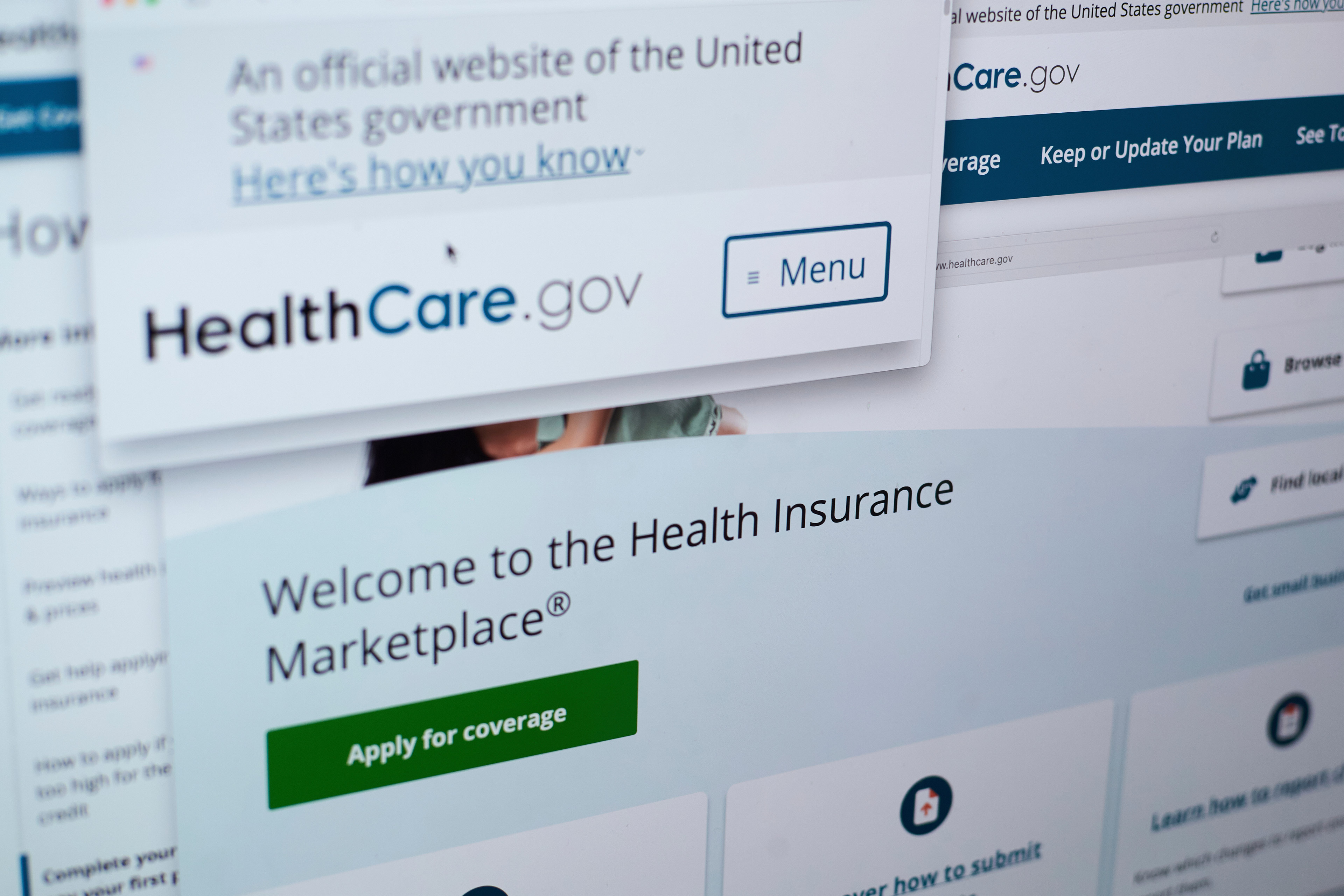
Guns, Lies, And Audiotape: An Investigation Into Biden Family Ties To Healthcare Fraud - Healthcare. gov/ federal
HHS Establishes Whistleblower Tip Line To Report The Chemical and Surgical Mutilation of Children
CMS Administrator Mehmet Oz Vows To Recover Federal Funds Used To Insure Illegals By California
(Item 6) Dr. Oz's Vision For CMS
Known Medicaid Duplicate Payments Amount To $ 4.3 Billion During 3 Recent Years
RE: MDHHS Organizing Medicaid Beneficiary Advisory Council
$ 20 Billion In Affordable Care Act Subsidy Frauds - States
RE: DOGE Reports $ 394 million In MDHHS Cuts
20 States Sue HHS For Supplying Medicaid Data To Homeland Security
GOP Representatives Float Prohibiting States From Taxing Medicaid Insurers And Health Care Providers
NY Post: Cut Medicaid More
Medicaid Coverage Doubled In Michigan Over 34 Years. Will It Be Cut? - Investors
Plunder, Sell, Repeat - Financial Transactions
Medicaid And Medicare Payments Being Diverted By Widespread EFT Fraud (Multiple programs) Health Care Software CEO Convicted of Billion Dollar Fraud Conspiracy
- Foreign actors
(among others) SNAP fraud skyrockets as Michigan sends 738 new Bridge cards a day - Overview
How Vast Are Improper Medicaid Payments?
Medicaid: End It, Don’t Mend It
RE: Michigan Doctor Convicted of $6.3M Medicare Fraud
U.S. D.O.G.E. Is Now Investigating CMS - Musk Thinks Medicaid And Medicare Victims Of $ 100 Billion In Fraud
Why Analyses of Medicare and Medicaid Ignore Fraud

The OBBBA has allowed CMS to search out waste, fraud, and abuse in Medicaid for the first time. The early results show that both Medicaid and Medicare are experiencing vast amounts of fraud:
CMS Finds 2.8 Million Americans Potentially Enrolled in Two or More Medicaid/ACA Exchange Plans
July 17, 2025
Unnecessary, Duplicate Enrollment Wasting $14 Billion AnnuallyThe Centers for Medicare & Medicaid Services (CMS) continue to crush fraud, waste, and abuse in America’s healthcare programs by stopping duplicative enrollment in government health programs, with the potential to save taxpayers approximately $14 billion annually.
A recent analysis of 2024 enrollment data identified 2.8 million Americans either enrolled in Medicaid or the Children’s Health Insurance Program (CHIP) in multiple states or simultaneously enrolled in both Medicaid/CHIP and a subsidized Affordable Care Act (ACA) Exchange plan.
CMS is taking action to ensure individuals are only enrolled in one program and to stop the federal government from paying multiple times for these individuals to receive health coverage. In addition, as a result of the One Big Beautiful Bill Act, CMS now has new tools to prevent the federal government from paying twice for the same person’s care—saving billions and restoring integrity to the system.
"HHS staff uncovered millions of Americans who were illegally or improperly enrolled in Medicaid and ACA plans," said U.S. Health and Human Services Secretary Robert F. Kennedy, Jr. "Under the Trump Administration, we will no longer tolerate waste, fraud, and abuse at the expense of our most vulnerable citizens. With the passage of the One Big Beautiful Bill, we now have the tools to strengthen these vital programs for generations to come."
“The Biden Administration struggled to ensure that individuals were only enrolled in the single Medicaid or Exchange plan for which they were eligible, that ends today,” said CMS Administrator Dr. Mehmet Oz. “CMS is restarting these important checks to follow federal law. We are going to work with states to identify individuals enrolled in multiple programs and fix the duplicate enrollment problem to save taxpayers billions of dollars, while minimizing inappropriate coverage loss. This is exactly why we fought for stronger tools in the One Big Beautiful Bill Act—to go after this type of waste and finally put a stop to paying twice for the same person’s health coverage.”
Over the past several months, software engineers collaborated with CMS to examine historical program enrollment data and found that in 2024 an average of 1.2 million Americans each month were enrolled in Medicaid/CHIP in two or more states and an average of 1.6 million Americans each month were enrolled in both Medicaid/CHIP and a subsidized Exchange plan.
Federal regulations require Exchanges to periodically examine data for dual enrollments in Medicaid to guard against improper enrollments in subsidized Exchange plans through a process called Medicaid Periodic Data Matching (PDM). These essential examinations were strengthened under the first Trump Administration and increased to at least twice a year. These examinations were paused under the Biden Administration to ensure that continuous coverage was maintained during the PHE, in alignment with the statutory requirement on states to maintain continuous enrollment in Medicaid or CHIP throughout the COVID public health emergency.
CMS will partner with states to reduce duplicate enrollment through three initiatives:
* Individuals Enrolled in Two or More Medicaid Programs: CMS will provide states with a list of individuals who are enrolled in Medicaid or CHIP in two or more states and ask states to recheck Medicaid or CHIP eligibility for these individuals. CMS will work with states to prevent individuals from losing coverage inappropriately.
* Individuals Enrolled in Medicaid or CHIP + a Subsidized Federally-facilitated Exchange (FFE) Plan: CMS notified individuals enrolled in both Medicaid or CHIP and an FFE plan with a subsidy. These individuals are asked to take one of the following actions:
1) Disenroll from Medicaid or CHIP, if no longer eligible;
2) End their subsidy (with the option to end their coverage); or
3) Notify the Exchange that the data match is incorrect and submit supporting documentation to show they are not enrolled in both Medicaid/CHIP and subsidized Exchange coverage.
After 30 days, the FFE will end the subsidy for individuals who still appear to be enrolled in both Medicaid or CHIP and an Exchange plan with a subsidy.
* Individuals Enrolled in Medicaid or CHIP + a Subsidized State-based Exchange (SBE) Plan: CMS will provide SBEs with a list of individuals who are potentially enrolled in the state’s Medicaid or CHIP and a subsidized Exchange plan and ask SBEs to determine whether these individuals are dually enrolled, and if so, to implement a process, similar to the federal Exchange, to recheck eligibility. CMS will work with states to prevent individuals from losing coverage inappropriately.
CMS will provide additional guidance to state Medicaid and CHIP agencies in early August with expectations for tackling concurrent enrollment. The agency will follow up with lists to each state of individuals concurrently enrolled in Medicaid or CHIP and ask states to make their best efforts to recheck eligibility by late fall. Going forward, CMS will continue to work with states to provide support for their existing Medicaid/CHIP and Exchange data matching processes and work to implement new requirements in the One Big Beautiful Bill Act designed to eliminate and prevent duplicate enrollment in Medicaid programs.
SNAP news the mainstream media won't publish:
https://mirs-uploads.s3.us-east-2.amazonaws.com/7536-Butler%20complaint.pdf
Michigan employee sues MDHHS, alleges termination for exposing co-workers stealing federal food benefits
'Program has been infiltrated by transnational and domestic groups, and those groups are stealing at scale'
By Victor Skinner - August 7, 2025Former longtime Michigan Department of Health and Human Services employee Ashanta Butler is suing after she was allegedly fired for exposing co-workers stealing federal food benefits.
Butler filed a federal lawsuit last month in the Eastern District of Michigan that alleges she was fired after 23 years with no complaints for exposing a scheme by her co-workers to steal taxpayer-funded benefits through the Supplemental Nutrition Assistance Program, also known as SNAP or food stamps.
“In or around early 2024, Plaintiff reported concerns to the Office of the Attorney General of the State of Michigan regarding fraudulent activity by State employees who were allegedly conspiring to unlawfully receive public benefits, including food assistance,” according to the lawsuit.
“Plaintiff’s report identified that her assigned union steward, Mona Lyndsey, was directly involved in the fraudulent scheme and was aiding another state worker in unlawfully obtaining benefits,” it read. “Shortly after Plaintiff made the protected report, her supervisor, Rachel Hill, informed her that she had been instructed by Manager Angela Barbee to target and ‘get rid of’ Plaintiff due to her cooperation with the Michigan Department of Corrections and her role as a whistleblower.”
“Angela Barbee, who was later transferred to another office for engaging in similar conduct, was among the managers implicated in the benefits fraud reported by Plaintiff,” according to the lawsuit.
The complaint contends human resources director Suzanne Gralinski in April 2024 told Butler “your kind is not welcome in Macomb County,” which Butler, a Black woman, took as a racially discriminatory statement.
Butler alleges Gralinski attempted to force her to sign a document stating she would never accept employment with the state again, but Butler refused, prompting Gralinski to promise she would be “blackballed in Lansing” and never work in Macomb County again, according to the complaint.
The lawsuit alleges Butler “was subjected to a pattern of escalating retaliation by her employer” before she was ultimately terminated on April 10, 2024.
“Plaintiff believes her termination was motivated by unlawful retaliation for her protected whistleblowing activity, and by unlawful discrimination based on her race,” the lawsuit reads. “Plaintiff has suffered substantial damages as a result of Defendants’ conduct, including lost wages, reputational harm, emotional distress, and diminished future employment opportunities.”
The lawsuit comes as the SNAP benefits program 800,000 low-income Michiganders depend on reported a nearly 400% increase in fraud between fiscal years 2023 and 2024.
The cost of scams involving electronic benefit cards used for food stamps in Michigan skyrocketed from $181,778 in replaced benefits in 2023 to $884,947 last year.
Michigan House members take on SNAP fraud this week, just two months after Mackinac Center exposed how bad the problem really is.
The committee tasked with hearing this issue is the House Committee on Government Operations.
Leadership
Rep. Brian BeGole (Republican) District-71
Chair
Rep. Mike Harris (Republican) District-52
Majority Vice Chair
Rep. John Fitzgerald (Democrat) District-83
Minority Vice Chair
Members
Rep. Curtis VanderWall (Republican) District-102
Rep. Mike McFall (Democrat) District-14
This committee's minutes, testimony, and information to contact members, the committee secretary, and sign up for agenda notices are all located on the committee home page.
House Committee on Government Operations
Thursday, August 21, 2025 9:00 AM
AGENDA
HB 4746 (Rep. Woolford) Human services: food assistance; chip-enabled bridge cards; require.
OR ANY BUSINESS PROPERLY BEFORE THIS COMMITTEE
SNAP sales reps embedded in MDHHS two years ago this week.
Correlation is not causation, but someone needs to ask: did this in any way contribute to the explosion of Bridge Card abuse?
Govt Operations Committee added another anti-fraud bill:
AGENDA
HB 4515 (Rep. Woolford)
Human services: food assistance; recipient's digital photographic image and signature printed on the Michigan bridge card; require.
HB 4746 (Rep. Woolford)
Human services: food assistance; chip-enabled bridge cards; require.
OR ANY BUSINESS PROPERLY BEFORE THIS COMMITTEE
Excellent data find this week while researching for a Medicaid Reform presentation.
I never knew the HHS OIG had an Office of Evaluations and Inspections to prosecute Medicaid fraud.
Medicaid Fraud Control Units Annual Report: Fiscal Year 2024
More SNAP news the mainstream media won't publish because it could adversely affect budget negotiations in Lansing:
Rep. Jason Woolford: Benefit errors by Whitmer’s MDHHS will cost taxpayers $415 million
Over the last year, fraud in the SNAP program has increased 387%
By Victor Skinner | September 30, 2025Gov. Gretchen Whitmer’s Department of Health and Human Services is on track to cost taxpayers $415 million more than necessary this year due to errors in administering benefits.
The One Big Beautiful Bill, signed into law by President Donald Trump in July, requires states with payment error rates that eclipse 10% to repay funding to the federal government. State Rep. Jason Woolford, R-Howell, expects the state’s largest agency’s history of problems will cost taxpayers $300 million, in addition to the cost of stolen benefits.
The issue stems mainly from the soaring error rate for Michigan DHHS’ Bridge Cards, which is tied to the department’s failure to properly verify applicants for the federal Supplemental Nutrition Assistance Program, also known as SNAP or food stamps.
“The fact that DHHS is aware of Michigan’s high SNAP error rate and is doing little to fix it is outrageous,” Woolford said last month following a House Oversight Committee hearing with DHHS Director Elizabeth Hertel. “Fraudsters are abusing Bridge Cards because DHHS doesn’t have a system in place to properly verify applicants’ identities. That means individuals are receiving benefits they aren’t entitled to, and Michigan taxpayers are footing the bill. Enough is enough.
“Michigan families deserve better, and they deserve results, not excuses. Programs designed to protect children must actually protect them,” Woolford said in a statement. “The SNAP error rate must be reduced, fraud must be stopped, and every taxpayer dollar must be accounted for. It’s time to repair these broken systems and restore real accountability at DHHS.”
The Michigan DHHS is the largest agency in state government with a budget of $37.5 billion and nearly 16,000 employees.
In addition to SNAP benefits, the department administers Medicaid; the Medicare Savings Program; Women, Infants and Children; the Family Independence Program; and other cash benefit programs, according to Michigan Capitol Confidential.
Over the last year, fraud in the SNAP program has increased 387%, in large part from card skimmers and cloning scams.
Woolford noted in a committee hearing in August that losses from those scams alone jumped from $181,000 in 2023 to $885,000 last year, with the state on pace to surpass the latter by the first quarter of 2025.
During 2024, DHHS sent 738 replacement Bridge Cards every day, equating to more than 269,000 for the year, MCC reports.
“You can image if it’s happening there, then it’s definitely happening in the cash assistance program as well,” Woolford told the news site of the SNAP fraud. “And this is something that we will be looking into.”
Woolford is promoting two bills that he believes will cut down on fraud in the SNAP program that 1.4 Michiganders rely on.
Woolford’s House Bill 4746 would require Michigan’s Bridge Cards to incorporate security chips that are a standard feature in modern credit cards, while House Bill 4515 would require those cards to include a photo and signature of all adults authorized to use them.
“DHHS is entrusted with billions of taxpayer dollars, yet somehow can’t provide the essential services our residents rely on. That is absurd,” Woolford said in August. “This department must be held accountable for this unacceptable performance.”
Michigan’s error rate in 2022 stood at 13%, before it dropped to 10% in 2023. For the current fiscal year, it’s hovering around 9.53%, MCC reports.
DHHS distributed over $60 million in cash benefits to more than 64,000 people this year through the Family Independence Program, state disability insurance, and a Refugee Cash Assistance program.
Woolford suggested to MCC that cutting down on errors at DHHS requires both increased oversight and better leadership, both of which Republicans are focused on moving forward.
“We’ll be looking into possibly breaking that department up, and doing it for the sake of the people who deserve these benefits,” he said. “(Hertel’s) managing people who she’s not holding accountable to the point that it’s costing hundreds of millions of dollars to you and I and taxpayers, and that’s not fair.”
Note that much of this fraud is being committed by out of state hackers. Health care is also plagued by frauds committed by out of state hackers as well.
The original hearing on SNAP/ Bridge Card security.
Thursday, June 5, 2025 9:00 AM
AGENDA
HB 4515 (Rep. Woolford)
Human services: food assistance; recipient's digital photographic image and signature printed on the Michigan bridge card; require.OR ANY BUSINESS PROPERLY BEFORE THIS COMMITTEE
Another megadollar health care fraud, this against Medicaid in NYC. $ 68 million stolen:
https://www.justice.gov/opa/pr/two-individuals-plead-guilty-68m-adult-day-care-fraud-scheme
Two Individuals Plead Guilty to $68M Adult Day Care Fraud Scheme
DoJ Office of Public AffairsJanuary 15, 2026
For Immediate ReleaseTwo defendants pleaded guilty today to conspiring to defraud Medicaid by paying health care kickbacks for services that were not provided at two Brooklyn social adult day cares and a home health care company.
“The defendants were large-scale recruiters who bribed patients with laundered cash and billed Medicaid over $68 million for services that were not provided,” said Assistant Attorney General A. Tysen Duva of the Justice Department’s Criminal Division. “Today’s guilty pleas demonstrate the Department’s longstanding commitment to rooting out fraud in government health care programs by aggressively prosecuting those who steal from taxpayer-funded programs.”
“As demonstrated by today’s guilty pleas, our Office will hold accountable corrupt individuals who steer patients to health care providers in exchange for illicit kickbacks,” said U.S. Attorney Joseph Nocella Jr. of the Eastern District of New York. “We will continue to investigate and aggressively prosecute fraud schemes that steal from taxpayer funds from federal health care programs.”
“These defendants orchestrated an egregious scheme involving illegal kickbacks to steer Medicaid claims and to receive payment for services not rendered,” said Special Agent in Charge Naomi Gruchacz of the Department of Health and Human Services, Office of Inspector General (HHS-OIG). “Extensive fraudulent operations like this jeopardize the availability of federal health care program funds intended to support millions of beneficiaries. HHS-OIG is committed to working with our law enforcement partners to bring to justice those who prioritize greed over patient care.”
“These defendants placed profit over people and public well-being and stole $68 million in welfare funds meant for those who need it most,” said Special Agent in Charge Ricky J. Patel of Immigrations and Customs Enforcement Homeland Security Investigations (HSI) New York. “Their guilty pleas today reflect that they knew exactly what crimes they were committing — they were cheating the system and, in turn, hurting vulnerable Americans. I commend HSI New York and our law enforcement partners for their unrelenting focus on dismantling and disrupting financial fraud schemes that exploit the American public and hurt our economy.”
According to court documents, Manal Wasef, 46, and Elaine Antao, 46, both of Brooklyn, were marketers and recruiters for two social adult day cares: Happy Family Social Adult Day Care Center Inc. and Family Social Adult Day Care Center Inc., as well as Responsible Care Staffing Inc., a home health care fiscal intermediary. Between approximately October 2017 and July 2024, in exchange for illegal kickbacks and bribes, Wasef and Antao referred Medicaid recipients to the social adult day cares and the home health company. The defendants also paid illegal kickbacks and bribes to Medicaid recipients for social adult day care services and home health care services that were billed to Medicaid but were not provided or that were induced by kickbacks and bribes. Wasef and Antao used multiple business entities to launder the fraud proceeds and generate the cash used to pay kickbacks and bribes. In connection with their guilty pleas, Wasef and Antao agreed to collectively forfeit approximately $1 million. Wasef and Antao are the sixth and seventh individuals, respectively, to plead guilty in this case.
Wasef and Antao pleaded guilty to conspiracy to commit health care fraud. Antao is scheduled to be sentenced on May 20 and Wasef is scheduled to be sentenced on May 27. They each face a maximum penalty of 10 years in prison. A federal district court judge will determine any sentence after considering the U.S. Sentencing Guidelines and other statutory factors.
HHS-OIG, HSI, and the NYPD are investigating the case.
Trial Attorneys Patrick J. Campbell and Leonid Sandlar of the Criminal Division’s Fraud Section are prosecuting the case and Assistant U.S. Attorney Michael Castiglione for the Eastern District of New York is handling forfeiture matters.
The Fraud Section leads the Criminal Division’s efforts to combat health care fraud through the Health Care Fraud Strike Force Program. Since March 2007, this program, currently comprised of 9 strike forces operating in 27 federal districts, has charged more than 5,800 defendants who collectively have billed federal health care programs and private insurers more than $30 billion. In addition, the Centers for Medicare & Medicaid Services, working in conjunction with HHS-OIG, are taking steps to hold providers accountable for their involvement in health care fraud schemes. More information can be found at www.justice.gov/criminal-fraud/health-care-fraud-unit.
MI SNAP: convenience stores and gas stations in the spotlight.
Chipped cards alone won’t stop Michigan SNAP thieves, expert warns
State, federal government must police 10,000 retailers in Great Lakes State
By Scott McClallen | February 2, 2026
Even after closing a major security loophole in its food stamp program, Michigan will face a serious threat from electronic benefit fraud, according to an expert.
The state is upgrading its Supplemental Nutrition Assistance Program cards following a Michigan Capitol Confidential series that exposed $14 million worth of stolen food benefits.
But the state must take more action to protect about $230 million transferred each month to 1.4 million Michiganders, according to Haywood Talcove of LexisNexis Risk Solutions, a company banks and unemployment agencies use to help prevent fraud.
Upgrading benefit cards is a good step, Talcove wrote in an email to CapCon, but Michigan must focus on retailer integrity, technology controls, and data sharing, while ensuring legitimate beneficiaries continue to receive timely access to food.
Roughly 10,000 retailers can accept SNAP cards for payments, according to a state dashboard that tracks them. Of those 10,000, about 5,000 are convenience stores and 2,000 are “other” entities. There are 664 qualified grocery stores, 723 superstores, and 341 farmers or farmers markets that qualify, as well as 324 restaurants.
It’s hard for state and federal employees to police 10,000 SNAP retailers, especially when a large percentage of them are convenience stores or gas stations, Talcove said.
State and federal officials must raise the bar for becoming and remaining a SNAP retailer, Talcove said. He pointed to Massachusetts, where $7 million of fraud took place through two tiny stores that redeemed up to $500,000 in benefits each month despite having few cash registers or grocery carts.
Talcove recommended that state and federal authorities make a concerted effort to screen retailers, audit businesses on a regular basis and move more quickly to remove high-risk or non-compliant stores from the program.
Michigan must crack down on cloned and compromised point-of-sale devices that fraudulent retailers use to commit fraud by using the names of legitimate businesses, which lets them siphon benefits at scale, he said.
States must do a better job of sharing data with each other and the federal government, Talcove said, because criminals try to scam the benefit programs of multiple states.
“Protecting program integrity is not at odds with ensuring the poorest residents can eat — in fact, it’s essential to it,” Talcove wrote. “Every dollar lost to fraud is a dollar that does not reach a family in need. With better retailer oversight, modern fraud detection, and meaningful data sharing, we can reduce abuse while preserving — and strengthening — trust in the SNAP program.”
CapCon obtained monthly SNAP redemption records from the United States Department of Agriculture through a records request. The state health department did not respond to a request for comment.
Progress!
Maybe the DOJ won't have to investigate Michigan welfare fraud after all.
Read MDHHS's full pdf report at the link.
From $14M to $7.7M: Michigan reports major drop in food stamp fraud
CapCon series about fraud pushed state to upgrade cards
Scott McClallen | February 25, 2026
Michigan cut the amount of fraud in its food stamp program by almost half in 2025, according to a state report released on Feb. 15.
The value of fraud reported in the Supplemental Nutrition Assistance Program was $7.7 million in 2025, the report said. That’s just more than half the $14 million reported for 2024.
Increased security helped the Michigan Department of Health and Human Services prevent and detect fraud, according to the report.
State and federal employees investigate stolen benefits, SNAP trafficking from business owners, and food stamp fraud, such as selling benefits for cash. Agencies have deployed algorithms to detect compromised SNAP and other benefits accounts, the report said. Governments have also detected and seized 33 skimming devices. Another new process helped identify cloned point-of-sale terminals. The government also tracks IP addresses on benefit applications so it can determine if people living outside the state apply for benefits.
Michiganders use Bridge Cards at about 10,000 retailers statewide, but criminals have stolen millions of dollars in benefits meant for low-income residents. Criminals install fake payment processors that steal information so they can clone the cards and deplete the benefit accounts. Criminals exploit this vulnerability because Michigan didn’t upgrade SNAP cards in 2015 when the private sector upgraded debit and credit cards from magnetic stripes to embedded chips.
The state health and human services department, which runs the SNAP program, fielded more than 26,000 complaints across all its programs in fiscal year 2025.
SNAP fraud evolves as the state and federal government use new strategies to combat it. In September, CapCon reported that over a 12-month period, about 235 criminals hijacked the credentials retailers use to receive SNAP funds. Health Dept. Director Elizabeth Hertel called those thefts “nearly impossible to trace.”
Michigan’s upgrade to chip-enabled electronic benefit transfer cards should help stop organized crime schemes, including card skimming and cloning, that drive much of today’s fraud, Haywood Talcove, CEO of LexisNexis Risk Solutions' Government Group, told CapCon in an email. But criminals adapt and shift strategies quickly, he said.
“Criminal networks will shift tactics quickly, so states need to take a layered approach,” Talcove wrote. “That includes stronger front-end identity verification, real-time transaction monitoring, cross-state data sharing, and advanced analytics to identify suspicious patterns before funds go out the door. Prevention is far more effective than ‘pay and chase’ recovery after the fact. Ultimately, protecting vulnerable residents and taxpayers requires a combination of modern technology, proactive controls, and independent oversight.”
At least eight other states have upgraded or are upgrading their SNAP cards: Alabama, Arkansas, California, Maryland, Massachusetts, New Jersey, Oklahoma and Virginia.
The state health department is upgrading the security on SNAP cards in 2026 and should start issuing new, chip-equipped cards by May, according to documents that CapCon obtained through a records request. The health department didn’t respond to a request for comment.
CapCon repeatedly reported on SNAP fraud in recent years. Rep. Jason Woolford, R-Howell, who sponsored legislation to require the state to use chipped cards, cited CapCon reports.
New York's Medicaid program is about to be examined for waste, fraud, and abuse:
New York’s Medicaid Program Targeted by Federal Fraud Investigation
Between 2023 and 2024, 38 percent of job growth in New York was from the home health and personal care aide category.By Sylvia Xu - March 7, 2026
Dr. Mehmet Oz launched a federal investigation into New York’s Medicaid program on March 3, citing the unusual spending trend in the state.
“Heart surgeons are trained to look at the numbers. When something doesn’t add up, you don’t ignore it; you investigate,” Oz, administrator of the Centers for Medicare and Medicaid Services and a former heart surgeon, said in a video posted on X.
“Right now, the numbers coming out of New York’s Medicaid program don’t add up,” he said.
New York far outspends other states on its Medicaid program, both on a statewide and per beneficiary basis, according to Oz’s letter to New York Gov. Kathy Hochul.
Numbers
New York’s Medicaid program spends more than $90 billion a year, the second-highest total in the nation, Oz said. That’s roughly 10 percent of the nation’s $900 billion in Medicaid spending for 2024.
New York’s average spending on each beneficiary is more than $12,500, which is 36 percent higher than the national average. The state’s per-resident spending is the highest in the country, nearly 80 percent higher than the national average.
As of January, about one-third of New Yorkers—6.7 million individuals—have enrolled in Medicaid.
That is nearly 14 percentage points higher than the national average of 20 percent Medicaid enrollment, according to November data from the federal government.
“That alone demands scrutiny, but it gets worse,” Oz said in the video.
In addition to New York’s Medicaid enrollment size, Oz cited the workforce delivering long-term care, particularly home-based personal care services, as another driver of New York’s high Medicaid spending.
Between 2023 and 2024, 38 percent of job growth in New York was from the home health and personal care aide category.
“Now, New York has turned this [Medicaid] program to help our most vulnerable into a massive jobs program reimbursed by federal taxpayers,” Oz said.
Personal care services include daily living assistance such as eating, bathing, and dressing. Patients need such services due to aging, chronic illness, or disability.
From 2023 through mid-2025, New York state provided personal care services for nearly 75 percent of its Medicaid enrollees at a cost of $45 billion.
In fiscal year 2024, the state’s Medicaid spending on personal care services was $18.5 billion, nearly 70 percent more than other states’ combined spending on this item, according to The Epoch Times’ analysis of open data from the U.S. Department of Health and Human Services.
“That level of utilization is unheard of,” said Oz.
New York state allowed problems such as being “easily distracted” to qualify for a personal care system, making personal care services the number one occupation in the state, Oz said.
Demand for Documentation
He said officials must send documents on how they handle fraud, waste, and abuse, or their federal payments will be put on hold.
“We ask hard questions; we expect an honest answer,” Oz said.On March 4, Gov. Hochul said the Trump administration was targeting New York for political reasons. She added that she would “show them the facts” to prove them wrong and promised to help fight any actual fraud, according to The Associated Press.
The federal government temporarily deferred $259 million in Medicaid payments to Minnesota over alleged fraud on Feb. 25.
Oz said the money would be released after Minnesota proposes and acts on a “comprehensive corrective action plan to solve the problem.”Minnesota sued the federal government on March 2 to stop it from withholding funding. The state warned that freezing these funds could force cuts to medical care for low-income residents.
How Much Does Health Care Fraud Siphon Off?
$ 160 billion? $ 344 billion? $ 530 billion? An FY 25 health care fraud roundup from Jack Salmon. The Feds alone are getting stiffed for at least $ 95 billion. The states? Who knows. Note that Mr. Salmon does not cover the late breaking frauds, such as transportation and autism care:
https://www.theunseenandtheunsaid.com/p/healthcare-fraud-is-costing-americans
Healthcare Fraud Is Costing Americans Hundreds of Billions
By Jack Salmon - March 11, 2026Over the past 18 months there has been a renewed interest in weeding out government waste, fraud and improper payments. These problems are particularly evident in government healthcare expenditure.
Professor Malcolm Sparrow at Harvard University recently noted that during a period of just 2 months last year, several individuals were charged for fraudulent medical claims, with each case totaling hundreds of millions of dollars in fraudulent payments:
· In May 2025, Dr. Jorge Zamora-Quezada, a Texas rheumatologist, was sentenced to 10 years in prison for submitting $118 million in fraudulent claims to public and private insurers.
· Syed Murtuza and Syed Mehdi Hussain were arrested in Illinois for submitting $227 million in fraudulent Medicare claims.
· In June 2025, Gary Cox, CEO of healthcare software company DMERx, was convicted of generating more than $1 billion in fraudulent claims by targeting hundreds of thousands of Medicare patients using false advertising.
· Tyler Kontos, Joel Kupetz and Jorge Kinds were indicted for billing more than $1 billion for unnecessary amniotic wound allografts, specifically targeting elderly Medicare patients in hospice care.
· The Department of Justice charged Farrukh Jarar Ali, a Pakistani national, in a fraud scheme involving at least 41 addiction clinics in Arizona. False claims totaled $650 million.
While the Department of Justice notes that a record level of fraudulent payments—$14.6 billion—resulted in criminal charges in 2024, this is just the tip of the iceberg of such payments in the healthcare system.
Fraudulent and Improper Payments
The Paragon Health Institute published a paper in 2024 estimating that for the Affordable Care Act’s Medicaid expansion, there were 1.7 sign-ups for every eligible person. The authors estimate that for 2024 alone, this fraudulent exchange enrollment cost between $15 billion and $20 billion.
While the scale of fraudulent payments for all national healthcare spending is difficult to measure, the National Health Care Anti-Fraud Association uses a rule-of-thumb estimate for healthcare fraud:
Conservative estimate: about 3% of total healthcare spending.
Upper-bound estimate used by some law-enforcement sources: up to 10% of spending.
Total healthcare spending in 2024 was approximately $5.3 trillion; the rule of thumb implies at least $160 billion, and as much as $530 billion, in fraudulent payments. Using instead a central estimate for the fraud rate (6.5%), then the figure is around $344 billion.
However, the $5.3 trillion figure is for 2024 healthcare spending, so the figure for 2026 will be larger. Using Centers for Medicare and Medicaid Services (CMS) projections for healthcare spending in 2026 ($5.9 trillion), total fraud is estimated to be around $383 billion using the same central estimate of the fraud rate.
Then there are improper payments—federal payments that should not have been made or were made in the incorrect amount, covering overpayments, underpayments and payments to ineligible recipients or for ineligible services.
CMS estimates that in 2025 improper payments for government healthcare programs were as follows:
· Medicaid = $37.4 billion (6.12% of all spending for this program)
· Medicare (Fee-for-Service) = $28.8 billion (6.55%)
· Medicare Advantage = $23.7 billion (6.09%)
· Medicare Part D = $4.2 billion (about 4%)
· CHIP = $1.37 billion (7.05%)
In other words, improper payments for all government healthcare programs in 2025 totaled $95.5 billion, or roughly 6.1% of all government healthcare spending.
Even these figures, however, likely underestimate improper payments. Rachel Greszler at the Economic Policy Innovation Center and Brian Blase at Paragon Health Institute have estimated that improper payments for programs like Medicaid are twice as large as those reported.
Why Fraud Occurs and How To Stop It
One foundational problem that drives this trend is the structural nature of how the healthcare market operates, creating moral hazard and opaque pricing systems. As Veronique de Rugy recently noted:
The person receiving care is almost never the person actually paying for it. Roughly 90 cents of every dollar is covered by a third party — an insurer or the government.
The arrangement severs the give-and-take relationship between provider and customer that disciplines every other sector of the economy. When someone else pays, no one shops around, no one compares prices and no one asks whether a service is worth it. When someone else is paying, there is no reason to restrict one’s consumption. The result is predictable: opaque pricing, resistance to competition and no discipline to keep costs aligned with benefits.
Professor Sparrow’s solution is to ramp up spending on fraud and abuse control. He notes that total fraud prevention spending equates to only 0.07% of government healthcare spending. Citing a report by the Office of Inspector General (OIG), which estimates that every dollar spent on fraud and abuse control results in $11 of fraudulent payments being identified, Sparrow argues that spending more on fraud detection is an investment with a very rewarding return.
Another option is to better utilize artificial intelligence and data analytics to review cases and better detect fraudulent claims.
In a February statement, the Government Accountability Office (GAO) said that AI and data analytics can help agencies sift through huge volumes of data to spot fraud and improper payments, but the agency still needs high-quality data, human review and an AI-ready workforce. GAO also noted that the federal government loses an estimated $233 billion to $521 billion annually to fraud and has accumulated about $2.8 trillion in improper payment estimates since fiscal year 2003, which explains why agencies are under pressure to modernize these tools.
Some federal agencies have already been testing small pilot programs with data-driven approaches. Last year CMS leveraged data-driven analytics to proactively detect, address and prevent fraud, waste and abuse in real time.
Over the one-month pilot, 106 providers were assessed, payments were suspended to 50 providers on suspected fraud saving $105 million, and two providers had their Medicare billing privileges revoked. In one case, a dermatologist billed $16 million for skin substitutes to a single beneficiary who had no supporting medical history.
Going a step further, Congress could require states to conduct more frequent eligibility redeterminations, improve hospitals’ presumptive eligibility enrollment and require full eligibility checks in audits of government healthcare programs.
Reducing healthcare fraud will require more than better enforcement or more sophisticated data analytics. It will also require confronting the deeper incentive problems created by third-party payment systems and opaque pricing structures. Until the healthcare system restores stronger connections between patients, providers and prices, the incentives that allow fraud, waste and improper payments to flourish will remain firmly in place.
Medicaid Fraud In Michigan
https://www.wcdispatch.com/p/the-new-michigan-medicaid-fraud-machine
The New Michigan Medicaid Fraud Machine
After Democrats took full control in Lansing, payments across five key Medicaid billing codes jumped by more than $350 million in a single year. The first big winners were illegals, NGOs, and Democrat
By Walter Curt - March 30, 2026When Michigan Democrats took full control of Lansing in 2023, they did what political machines always do when they finally get both hands on the levers: They started taking care of their friends.
Predictably, the payouts came fast.
From 2022–2023, Medicaid spending across just five Medicaid billing codes skyrocketed by over $350 million. The biggest jump was in home health and personal care billing, one of the hardest areas in the system to verify cleanly and one of the easiest to game. These payments ballooned by 92 percent in a single year.
Nobody in Lansing pumped the brakes. The only reason any oversight arrived at all was because the federal government mandated it—and by the time Michigan got around to complying, the lanes were already wide open and the money was already gone.
The Democrats in Lansing then refused to provide any oversight on the taxpayer money they spent—flat-out refusing to implement electronic visit verifications for home health care.
Once the money started moving, it started landing in familiar places. Millions of dollars flowed into the nonprofit ecosystem Democrats routinely protect, fund, and hide behind: Refugee-service operators, behavioral health nonprofits, disability service groups, and the broader “underserved community” machine that always seems to be standing closest to the spigot when government opens a new one.
Michigan taxpayers did not get a cleaner system. They got wider lanes, fatter payouts, and the moralized cover story that always shows up after the cash is already gone.
In fact, taxpayers didn’t even get most of the payouts—they went to illegal immigrant communities instead.
The Trifecta
The November 2022 elections gave Governor Gretchen Whitmer’s Democrats total control of Lansing: the governor’s mansion, the House, and the Senate. By January 2023, the trifecta was in place and there was nobody left with the power to slow what came next.
They moved quickly. By March 2023, the state had already put a major behavioral health expansion in motion, widening the Behavioral Health Home program across much more of Michigan and making it effective by May 1. Later that year, Lansing followed with reimbursement changes that pushed even more money into the same vulnerable Medicaid service world.
It was all sold as care. Except nobody knows if it went to caring for actual patients or beneficiaries.
The Floodgates Opened
Democrats did not need to invent new billing codes because they didn’t have to. What the trifecta did was make existing programs easier to tap, easier to expand, and much harder to police once the money started moving.
The most important lanes were home healthcare, personal care, and behavioral support services, exactly the kind of programs Democrats love to sell with the usual sermon about the vulnerable, the poor, the marginalized, the underserved, and all the rest of the moral camouflage.
T1019 covered personal care: Help with bathing, dressing, eating, and other daily tasks, often billed in 15-minute increments inside private homes where almost nobody can verify what really happened. That makes it one of the easiest lanes in the system to pad, exaggerate, or flat-out game. Billing codes H2015 and H2016 live in the same general behavioral support world, community-based services, weaker oversight, softer documentation, and endless room to hide behind therapeutic jargon. Add autism treatment and other support-service codes and you get the same pattern all over again: Billing lanes that sound laudable, but are difficult to police and perfectly designed to commit fraud.
That is why these payment lanes mattered. This is where Michigan Democrats went to work—in the softest parts of the system, where oversight is weakest and moral cover is easiest.
The fraud is not theoretical. Already, state and federal authorities have charged a few dozen defendants in large Medicaid fraud schemes involving pharmacy services. But that’s just the tip of the iceberg.
Then the Money Exploded
The numbers are not subtle. In calendar year 2022, Michigan Medicaid paid about $1.45 billion across the five-code basket at the center of this story. In calendar year 2023, that total rose to about $1.81 billion. That is roughly $356 million in additional taxpayer money moved through those lanes in one year, almost a 25 percent jump in a single year.
The most obvious example sits in T1019—the 15-minute increment personal care billing inside private homes, one of the easiest lanes in Medicaid to inflate and one of the hardest to verify cleanly once the claim is filed. In 2022, the state paid about $198.0 million through that code. In 2023, it paid about $380.8 million–a 92.4% jump in a single year.
What makes that number even dirtier: the total number of providers did not explode along with the money. From 2022 to 2023, the number of providers billing T1019 grew by just 17.9 percent, from 39 to 46. The money grew more than five times faster than the provider base.
That is not a wave of new providers flooding into the system. That is an existing lane getting fatter. Average payout per provider jumped by about 63 percent in a single year, from roughly $5.1 million to $8.3 million. They were not just billing more. They were pulling far more money out of one of the easiest parts of Medicaid to manipulate and one of the hardest parts of the system to check once the claim was already in the door.
The other lanes followed the same pattern. H2015, one of the broad behavioral support codes, added roughly $73.6 million from 2022 to 2023. H2016, another community-based behavioral-service code, added about $52.2 million. 97153, tied to autism treatment, added about $41.1 million. S0280, more behavioral home healthcare, added about $6 million. Different labels, same play. Democrats opened the door, changed the payouts, and the money started flowing.
The only question was who got there first.
The Protected Class
That is where the pattern stops looking theoretical and starts looking organized.
Our analysis of the 2023 billing explosion identified a cluster of providers tied to immigrant, refugee, ‘diverse‘, and underserved communities. Across just 16 providers we could verify to the penny, we found $72.3 million in post-expansion billing. Not random noise. Not a coincidence. A massive stream of taxpayer money moving through the same general service-and-advocacy ecosystem Democrats are always expanding, defending, and using as moral cover.
That is where the grift starts to come into focus. Once Democrats changed the payouts and made these lanes easier to tap, the money did not scatter at random. It started landing inside the same orbit of refugee-service operators, immigrant-community networks, underserved-population nonprofits, and ethnically aligned service groups that always seem to be standing closest to government when a new spigot opens.
What came next was not prevention. It was damage control. Once the surge was impossible to ignore, the priority was no longer stopping the blowout before it spread. The priority was containing the optics after the money was already out the door.
Forced to Act
Then came the part Lansing did not choose on its own: Oversight. Michigan did not suddenly discover the need for tighter controls because state officials got serious about abuse. The federal government forced the issue. Electronic Visit Verification (EVV) was not some homegrown reform effort out of Lansing. It was a federally mandated requirement, and Michigan moved on it late, after the lanes were already widened and the money was already moving.
On paper, EVV sounds like a serious control. In practice, it only provides the most basic oversight, and Michigan’s rollout came after the surge was already visible in the numbers and after the billing structure had already changed. Democrats in Lansing did not get out in front of the problem. They were dragged toward basic oversight after the fact.
And the numbers tell the story. Spending across the five-code basket jumped from about $1.455 billion in 2022 to about $1.812 billion in 2023, then slipped to about $1.660 billion in 2024. So yes, it came off the peak. But even after the federal mandate forced some tightening, spending was still more than $200 million above where it had been before the blowout.
That is the scandal. The spigot never really closed. Lansing did not clean this up on its own. Washington had to force basic verification onto the system after the blowout was already visible. By then the habits were set, the money was out the door, and taxpayers were still stuck with higher payouts to Democrat cronies, even with the so-called “oversight.”
The Racket
The public story was access. Compassion. Underserved communities. Behavioral health support. Better care closer to home. The administrative reality was something else: one-party government exploited Medicaid billing codes, flooded them with public money, and then watched that money move into the same nonprofit ecosystem Democrats regularly fund, defend, and hide behind.
Oversight just gets in the way.
And that is how this racket works in modern form. Not always with a brown envelope slid across a table. Sometimes it comes with a billing code. Sometimes it comes with a reimbursement bulletin. Sometimes it comes with a press release about dignity, inclusion, and care. The packaging is cleaner. The mechanics are the same. Open the lane. Move the money. Protect the beneficiaries. Shame anybody who asks where the money went.
That is what institutional capture looks like when it wears a politically correct face. Scrutiny gets painted as cruelty. Oversight gets recast as hostility to care. Taxpayer questions get treated like a moral offense. And the whole thing gets wrapped in the usual sermon about compassion after the cash is already out the door.
Who Opened the Gate?
So let’s stop pretending the mystery is whether the money surged. The records say it surged. Let’s stop pretending the mystery is whether nonprofit and nonprofit-linked beneficiaries were in the stream. They were. The real question, the one Lansing never wants asked out loud, is simpler: who opened the lanes, who got there first, who signed off, and why did the people running the system only start worrying about oversight after the cash was already moving?
Because this is where the story stops being general and starts getting specific. Do these clinics and their beneficiaries even exist? Which providers? Which addresses? Which ownership structures? Which shared officers, board members, billing relationships, and administrative ties? Which agencies made the decisions? Which officials approved them? Who saw the surge first, and what did they do when they saw it?
Get MHF Insights
News and tips for your healthcare freedom.
We never spam you. One-step unsubscribe.
Sponsors

J & DE Family Charitable Fund

Friends
of MHF

Kelly Grotendiek
Philip Harbach
Dale Johnson
Drs. Jeffrey and Joni Jones
Vickie Kahle
Tammy Kipen
Marlin & Kathy Klumpp
Melanie Kurdys
Ruth Nobel
Patrick Peterson
Stephanie Poortenga
Jeanne Smit
Ben and Hope Staal
John Tuinstra
Jacki VanHuis
Sandy Walker
Sign Up for MHF Insights to keep up on the latest in Michigan Health Policy