- PDS Health opens practices in California, Virginia

- OHSU opens $650M cancer pavilion
- Lakeland Regional Health plans 2 freestanding EDs
- Supreme Court backs challenge to Colorado conversion therapy ban
- Virginia behavioral health hospital names president
- After Man’s Death Following Insurance Denials, West Virginia Tackles Prior Authorization

- FTC: Evidence too strong to toss USAP antitrust case
- Average tuition for 12 best dental schools in the US
- Lifepoint Health to acquire 8 ScionHealth hospitals
- The Hospitals Winning on LOS Have Better Technology – and They Know How to Use It.
- New York medical society demands physician privileges be protected in Maimonides merger
- 4 hospital, health system layoffs in March
- Texas to lead ibogaine research after pharma proposals fall short
- Advocate plans largest drone delivery network and 2 more supply chain updates
- AI scribes linked to time savings at 5 health systems
- New Hampshire ASC 1st in US to earn new accreditation
- Amgen drug under FDA review in wake of 8 deaths
- Hennepin Healthcare warns of closure without legislative funding
- Hennepin Healthcare warns of closure without legislative funding
- Visa renewal delays sideline physicians at US hospitals
- BayCare residency program size doubles on Match Day gains
- Ohio GI practice acquired
- Health systems rethink innovation
- 8 revenue cycle headlines to know from March
- Prisma Health plans ASC in Tennessee
- Bill takes aim at ASC, HOPD payment gap
- Ensemble, Cohere building first RCM-native LLM
- Honey Almond Cream Cheese, Sold at Einstein Bros. Bagels, Recalled Due To Undeclared Nuts
- Trump Supports Surgeon General Pick Despite Senate Concerns
- Tennessee orthopedic practice closes abruptly
- 4 health systems back in the black in 2025
- ‘Our stockholders are the members of our community’: Inside Carilion Clinic’s mission-driven margin strategy
- Lilly answers Novo's GLP-1 pill with highly anticipated FDA nod for Foundayo
- Supreme Court Blocks Colorado Limits on Therapy for LGBTQ Minors
- Antidepressant Might Help Long COVID Fatigue, Study Says
- Home-Delivered Groceries Boost Heart Health In Food Deserts, Study Says
- Nicotine E-Cigarettes Help Smokers Quit, Review Concludes
- Kinesio Taping’s Benefits in Doubt, Major Evidence Review Finds
- High Sodium Intake May Trigger New Heart Failure
- Study Shows BMI Often Gets Your Weight Category Wrong
- Clinicians are burnt out. Peer support can help
- Novo's Wegovy nets cardio nod from UK cost gatekeeper, adding 1M+ eligible patients
- Trump’s One Big Beautiful Bill Act Darkens Outlook for Government-Backed Clinics

- Readers Sound Off on Wage Garnishment, Work Requirements, and More

- CVS Health opens pharmacy-only locations as it rightsizes store footprint
- How Rural Health Systems Are Advancing Cardiac Imaging
- How Rural Health Systems Are Advancing Cardiac Imaging
- Beyond Reimbursement: Why Market Access is MedTech’s Strategic North Star

- Beyond Reimbursement: Why Market Access is MedTech’s Strategic North Star
- Evotec hires exec with AI experience to lead rebooted commercial team
- The Human Side of AI Medical Devices: Why Safety Depends on Design, Not Just Algorithms

- The Human Side of AI Medical Devices: Why Safety Depends on Design, Not Just Algorithms
- Whoop raises $575M series G, Abbott comes on board amid hiring spree
- True ROI of health tech, according to finance leaders
- ‘There isn't as much meat left to cut’: Biopharma layoffs maintain slowdown in Q1
- Where 6 specialty DSOs stand in 2026
- 16 new ASCs in March
- Intermountain joins national trauma, grief network
- Practice closures, new dental schools, DLRs & more: 6 dental updates in New York
- Workforce, patient care, private equity & more: 5 statistics scaring dentists
- American Society of Addiction Medicine updates youth treatment standards
- The shifting oral surgery landscape
- Moody’s upgrades UK King’s Daughters’ credit rating
- Private equity in dentistry has gotten smarter
- 7 DSO leadership changes to know
- University Hospitals swings from loss to 2.6% margin in 2025
- Mark Cuban backs bill to break up vertically integrated insurers
- Lawmakers introduce child suicide prevention bill
- Bipartisan bill introduced to stabilize physicians' year-to-year pay changes
- Dental lab group receives private equity investment
- Dental Care Alliance appoints chief revenue officer
- UnitedHealthcare launches Avery, a generative AI companion for members
- 14 behavioral health executive moves to know
- Missouri agencies warn of rising nitazene threat
- Only 44% of SUD treatment facilities accept older patients on Medicare: HHS report
- 7 state behavioral health policy updates
- Republicans eye further healthcare cuts: Report
- Uninsured patients drive nearly 40% of healthcare collections: Cedar survey
- FDA flags serious liver injury cases, 8 deaths with ‘reasonable’ link to Amgen's Tavneos
- Novo Nordisk cuts 400 roles at troubled Bloomington site
- Former U.S. Surgeon General Challenges Trump Nominee
- Iterum initiates wind-down after failure to offload antibiotic with sluggish sales
- Listen to the Latest ‘KFF Health News Minute’

- Over 10.2 Million Grill Brushes Recalled Over Metal Bristle Risk
- Sex Enhancement Chocolates Recalled Over Hidden Drug Ingredients
- Short Bursts of Exercise Linked To Lower Risk of Major Diseases
- HHS urges hospitals to align patient menus with updated dietary guidance
- Hartford HealthCare, K Health launch PatientGPT, new AI tool to help patients find health information
- Ensemble partners with Cohere to build first RCM-native large language model
- API supplier BASF raises prices up to 20% in response to rising energy, raw material costs
- Biogen, eyeing swift commercial tailwind, ponies up $5.6B for Apellis and its 2 approved meds
- Cold Weather More Deadly For The Heart Than Heat, Study Finds
- Teens' Sleep Patterns Affect Their Diet, Exercise, Study Says
- 'Watch and Wait' Approach Safe For Women With Precancerous Breast Condition, Trial Finds
- Dental Care Can Help Cirrhosis Patients Avoid Liver Cancer, Hospitalization
- Folks With Clogged Arteries Benefit From Aggressively Lower Cholesterol Goal
- Intermittent Fasting Might Help Manage Female Hormone Imbalance, Trial Shows
- States Pay Deloitte, Others Millions To Comply With Trump Law To Cut Medicaid Rolls
- Trump’s Hunt for Undocumented Medicaid Enrollees Yields Few Violators

- States pay Deloitte, others millions to comply with Trump law to cut Medicaid rolls
- Employer telehealth company eMed raises $200M at $2B valuation
- Insulet hires Stryker vet, reinstating commercial chief role as C-suite overhaul continues
- FDA extends review of Orca Bio’s novel cell therapy for blood cancers
- Nonprofit Electronic Frontier Foundation sues CMS over AI prior authorization demonstration
- CDRH Guidance: Patient Preference Information (PPI) in Medical Device Decision Making
- CDRH Guidance: Patient Preference Information (PPI) in Medical Device Decision Making
- BSCI’s LAAC CHAMPION-AF study for WATCHMAN FLX meets primary and secondary safety and efficacy endpoints
- BSCI’s LAAC CHAMPION-AF study for WATCHMAN FLX meets primary and secondary safety and efficacy endpoints
- Apple Store to ID Regulated Medical Device Apps
- Apple Store to ID Regulated Medical Device Apps
- CMS: This year's open enrollment brought fewer signups, higher premiums
- Medical Schools No Longer Required To Teach Health Inequities
- Lilly presses for UK deal that would see higher drug prices in exchange for resumed investments: FT
- United plots Tyvaso FDA filing after ph. 3 win elicits talk of 'new IPF standard' and blockbuster sales
- Fluoride Quietly Removed From Birmingham Water Years Ago, Officials Face Backlash
- FDA Weighs Expanding What Can Go Into Supplements
- 9 Now Sickened in Outbreak Tied To Raw Milk and Cheese
- BMS, Novartis, Gilead, Iovance dinged over biologics promos in rare spate of CBER untitled letters
- Nearly half of US hospital markets entirely controlled by 1 or 2 health systems: KFF
- Mental health provider platform Headway acquires team behind AI company Tezi
- Idorsia eyes pediatric insomnia use with midstage trial win for sleep med Quviviq
- Electronic Paperwork Increasing Burnout Risk Among Young Doctors
- Kratom Cases Surging In U.S.
- What Makes Play Fun For Children? Seven Factors Stand Out, Study Says
- Night Shifts Are Tough On People With Type 2 Diabetes, Study Says
- Women's Bone Loss Tied To Heart Health, Study Finds
- Want To Lose Weight? Eat A Boring, Repetitive Diet, Researchers Suggest
- Samsung Biologics union gathers votes to strike as tension over wage, governance mounts
- Takeda begins US layoffs as part of massive $1.3B restructuring
- Biogen looks to shake up SMA status quo with FDA nod for high-dose version of Spinraza
- She Owed Her Insurer a Nickel, So It Canceled Her Coverage

- Inside the High-Stakes Corporate Fight Over Feeding Preterm Babies

- Study Links High Antioxidant Intake To Changes in Offspring Development
- The Healthcare Burnout Backlash (pt 1): Burnout Reaches Well Beyond Clinicians
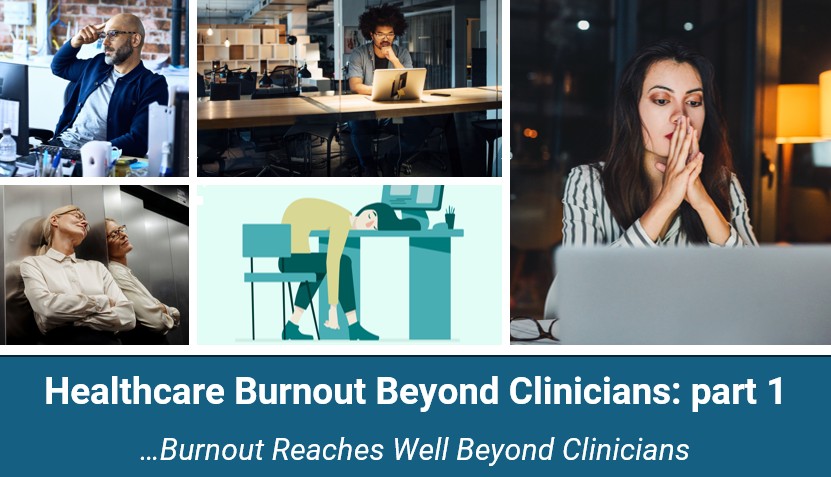
- The Healthcare Burnout Backlash (pt 1): Burnout Reaches Well Beyond Clinicians
- Even Mild Oxygen Loss in Preemies' First Hours Poses Lifelong Brain Risks: Study
- How the Trump Administration Uses Migrant Kids To Find and Detain Family Members
- Oral GLP-1s, COVID preventatives: 3 more drugs in the pipeline, Optum says payers should watch
- Providence trims 2025 operating loss to $132M, notches second consecutive quarter of gains
- $3M Verdict Links Social Media to Anxiety and Depression
- The White House Delays CDC Pick
- New COVID 'Cicada' Variant Is Spreading — What Experts Want You To Know
- Advocate Health to launch ‘nation’s largest’ hospital drone delivery program in Zipline partnership
- Op-ed: Empathy meets efficiency—how the responsible use of AI can transform Medicare
- Family Caregivers Provide $1 Trillion In Annual Labor, AARP Says
- ‘Health Doesn’t Need to Be Ludacris’: Bayer signs rapper-actor to multivitamin campaign
- Rocket plots measured trajectory for new gene therapy Kresladi after clearance to launch from FDA
- Healthy Lab Results May Mask Future Risks for Kids with Obesity
- At-Home Chemotherapy Is Safe, Feasible, Pilot Study Indicates
- What You Do While Sitting Could Predict Dementia Risk


Congress created the 340B Drug Discount Program in 1992 through the Veteran's Health Care Act (P.L. 102-585) (now Section 340B(a)(4) of the Public Health Service Act, or just '340B') to enable health care providers that serve low-income and uninsured patients to purchase drugs at lower prices.
The Pacific Research Institute has released a study which exposes the underlying financial fraud of the 340B Program, which has now become a huge source of unearned profits to rapacious health care providers.
The Michigan Senate just passed SB 94, which mandates drug suppliers continue to participate in the 340B Drug Discount Program:
https://www.mha.org/newsroom/senate-passes-340b-hospital-protections-imlc-clears-house/
Senate Passes 340B Hospital Protections & IMLC Clears House
March 7, 2025The Michigan Senate passed legislation that protects 340B hospitals with bipartisan support while the Michigan House of Representations voted through legislation that removes the sunset on the Interstate Medical Licensure Compact (IMLC) during the week of March 3.
Following successful reporting from the Senate Oversight Committee, the full Senate took swift action on Senate Bill (SB) 94, sponsored by Sen. Sam Singh (D-East Lansing). The MHA-supported legislation passed the Senate 33-3, with overwhelming bipartisan support, on March 6, reflecting the Senate’s commitment to protecting access to care and the 340B program. The Senate paired this legislation with SB 95, sponsored by Sen. Jonathan Lindsey (R-Allen), which requires hospital compliance with federal cost transparency laws.
SB 94 safeguards the 340B program in Michigan, ensuring cost savings and preserving access to affordable healthcare services in both urban and rural Michigan communities. Further, this legislation adds first of its kind pharmaceutical manufacturer transparency requirements, making Michigan’s legislation the strongest in the nation.
The legislation will now be sent to the House of Representatives for further action. The MHA continues to advocate for the 340B program and support Michigan hospitals’ efforts to expand access to quality, community-based care. Members are encouraged to use the MHA 340B Action Alert to contact their lawmakers in support of this legislation.
In addition, House Bill (HB) 4032, sponsored by Rep. Rylee Linting (R-Grosse Ile), passed the full House 106-1 on March 6. The legislation eliminates the sunset on the interstate medical licensure compact, which streamlines the licensing process and allows physicians licensed in one state to practice in multiple, participating states.
By removing additional licensing requirements for physicians seeking to practice across state lines, patients experience increased access to care, especially in rural and underserved areas, by physicians included in the compact. States involved in the compact can share disciplinary and investigative information through the state medical board to strengthen public protection for patients and the program. Michigan’s participation in the compact is currently set to expire March 28, 2025. The MHA supports this legislation and is working quickly with lawmakers to move it through the legislative process before the compact’s current expiration date.
Further information at NEW STUDY: 340B Providers Reap Big Profits, Should Be Reformed to Ensure At-Risk Patients Receive Affordable Care

Michigan Hospital Association definitely has its own narrative on this issue!
Previous Michigan and Congressional and SCOTUS MHF Forum posts tell the rest of the story - 340B serves hospitals, not necessarily patients.
I'm with Jarrett Skorup: give the money to the needy. Their shopping will benefit all of us.
Like most federal programs ostensibly for the impoverished, 340B is a grift which enriches the wealthy:
Hey DOGE – Check out 340B and Where the Money Is Going
By Jack Kalavritinos - March 27, 2025The unassuming names assigned to government programs never tell the story. The 340B Drug Pricing Program is a perfect case in point. Far from encompassing a boring collection of regulations, 340B is a federal drug program second only to Medicare Part D in size. And the possibility of unintended consequences usually grows along with a program’s scope.
In an ideal world, the twin engines of government and commerce would work together for the common good. In the real world, however, even the best of intentions can go awry. The 340B program was designed to provide discounted drugs to hospitals and clinics that service high numbers of patients in financial need. In practice, the government is mandating large discounts and hospitals are turning around and charging a significantly marked-up price to sick patients.
It is unconscionable and needs to stop.
In 2018, a Government Accountability Office (GAO) report uncovered a disturbing lack of oversight in the 340B program, leading to widespread abuses. To date, the Health Resources and Services Administration (HRSA) has refused to implement the GAO’s recommended reforms. Not only that, HRSA continues to actively block drug manufacturers from enacting common-sense steps to ensure that the discounts are going to eligible patients.
One of those steps would be both simple and seismic: instead of offering 340B pricing as an up-front discount to hospitals and clinics, manufacturers should be allowed to first verify whether the organizations are eligible and in compliance with the laws governing the program. This single measure would reduce bureaucratic overreach and ensure that the program worked as intended, supporting true safety net providers and patients in need.
This should not be a controversial issue. When dealing with other federal health care programs, manufacturers typically receive detailed data before providing access to mandated or negotiated price concessions. 340B hospitals and clinics, however, have actively resisted providing the most basic data to support verification of appropriate pricing.
What do they have to hide? And why are so few people asking this question?
The 340B Drug Pricing Program should be called the 340B Drug Discount Giveaway. Boondoggles like this make a mockery out of genuine attempts to benefit society. In an op-ed for Real Clear Health, Howard Dean, former head of the DNC, put it well: “Corporate greed is a powerful motivator. When our lawmakers draft legislation, they really ought to have a special committee to evaluate how corporations might exploit it.” If an organization such as a hospital is on the receiving end of a government program and finds a legal way to use the program to advance its business, we have to expect that the organization will take advantage. The blame is then shared by the bureaucrats who look the other way.
Some manufacturers have tried to take their own steps to improve transparency and program integrity. Yet under the Biden administration, the HSRA threatened to remove those manufacturers from the 340B program, which would have resulted in their medicines being removed from Medicaid and Medicare Part B. And the HSRA has worked to impede the efforts of drug manufacturers to take reasonable steps to audit and dispute 340B claims.
The 340B program is just one of many reminders of the abuse and waste and that exists in Washington, D.C. When well-intentioned government programs are abused and stray far from their original purpose, our elected officials owe it to us to step in and fix the problem. And that’s where we are with 340B.
Jack Kalavritinos has more than 25 years of experience in public affairs and health communications. He served as director for Intergovernmental and External Affairs for the U.S. Department of Health and Human Services (HHS) and as the associate commissioner for External Affairs at the Food and Drug Administration (FDA). He spent over seven years at Medtronic on policy initiatives. He also served as a senior official at the Office of Management and Budget (OMB) and as the White House Liaison at the Department of Labor.
More on the pernicious use of 340B drug discounts by hospitals:
https://www.realclearhealth.com/articles/2025/06/26/profiting_off_the_poor_1118914.html
Profiting Off the Poor: How Hospitals Exploit a Drug Program Meant to Help People in Need
By Justin Leventhal - June 26, 2025What started as a well-meaning safety net program has morphed into yet another federal case study in unintended consequences: a drug discount program that lets billion-dollar hospital systems exploit discounts meant for the poor while rural emergency clinics are left to fail. The 340B Drug Pricing Program is a classic example of how a good idea—helping the poor access medicine—gets hijacked when government intervention meets bad incentives and zero accountability.
The 340B program was created after the Medicare Best Price Rule inadvertently eliminated charitable drug donations. Previously pharmaceutical companies had donated or provided discounts for medicine as charity for hospitals serving poor communities. However, once instituted, the rule required drug companies to sell medicine to Medicare at the lowest charitable rates. Any company that had previously donated medicines would be required to charge Medicare $0 if they continued to donate.
The 340B Drug Pricing Program sought to fix this first unintended outcome by requiring manufacturers grant discounts to hospitals serving large portions of low-income patients. The program takes into account Medicaid and certain Medicare beneficiaries receiving financial aid that a hospital serves to determine if it is eligible.
But this system has so little transparency that, while well intended, the 340B program is often misused. Large hospital systems routinely generate revenue from fully insured patients who should be ineligible for 340B discounts. Once a hospital receives the discounted drugs it is not required to disclose how the savings are used. Hospitals are free to sell the discounted drugs at normal price through a network of their partner pharmacies in affluent areas and pocket the discounts as revenue. There is not even a requirement that the savings be passed to the patient.
From 2010 to 2020 contract pharmacy arrangements grew from about 1,300 to over 30,000. More than half of contract pharmacies are in areas with significantly higher income than the hospital’s location. The abuse of the system has caused its costs to balloon from a $2.4 billion program to $63.3 billion one between 2005 and 2023.
While hospitals in rich urban areas treat the 340B program as a piggy bank, poor rural hospitals struggle to serve high numbers of entirely uninsured patients. These hospitals are locked out of the 340B program entirely.
The large urban hospitals can get into the 340B program relatively easily by seeking out the patients they need. Because they can qualify based on the number of Medicaid and low-income Medicare patients they treat, a hospital can buy specialty clinics to attract additional 340B eligible patients.
Meanwhile, rural emergency hospitals (REHs) are not included on the list of 340B eligible hospitals. REHs were created to replace failing rural hospitals that could not maintain inpatient treatment with 24/7 emergency care. These hospitals are known for treating a particularly high proportion of uninsured patients. Uninsured patients do nothing to qualify a hospital as a Disproportionate Share Hospital, leaving the hospitals and their uninsured patients to face the full cost of their drugs.
Fixing the program isn’t difficult, assuming Congress is willing to act. The first step would be to include REHs in the 340B program, which one bill currently in the house would do. However, that is only the first step.
Congress must also introduce transparency into the system. Who the discounts are intended for, and whether they receive them should not be left to faith. Patients and insurers need to know if they are being claimed to get discounted drugs and if those savings have been passed to them. Discounts should be allowed only if the medicine is going to a 340B patient and is directly passed on to that patient.
By closing the loopholes that allow large systems to game the program and by extending access to truly underserved rural hospitals, Congress can restore the 340B program’s original mission. With the right reforms, 340B can serve the patients it was intended to, instead of serving hospitals with the resources to game the system.
Justin Leventhal is a senior policy analyst for the American Consumer Institute, a nonprofit education and research organization. For more information about the Institute, visit www.TheAmericanConsumer.Org or follow them on Twitter @ConsumerPal.
From the state policy side: SB 95 is backed by the Michigan Health Purchasers Coalition.
I find it rather telling that they find hospital-shopping too burdensome for consumers. Even more so, that bigger state government is their solution.
Same drugs, different hospital: 18 times more expensive
Report urges hospital pricing transparency
June 27, 2025
When you go to a hospital, the same drugs can cost 18 times more, depending on the facility, according to a new report from the Michigan Health Purchasers Coalition.
The study analyzed common medications administered in hospitals and reviewed average sale prices, Bret Jackson, president of the coalition, said in a phone interview with Capitol Confidential.
“We clearly display how much hospitals are price gouging Michiganders when it comes to common drugs and the need for urgent action on transparency and accountability from the hospitals,” Jackson said. “Employers and employees are paying drastically different prices for the same drug in the same area.”
He said that a contributor to this disparity is the federal 340B Drug Pricing Program.
This program requires pharmaceutical companies to sell outpatient drugs at steep discounts to certain health care providers. Hospitals buy drugs for a lower price and sell them at a much higher price. The more they find that they can abuse the system, the more they will continue to do so, Jackson said.
The MIHPC argues that some large hospital systems exploit the program by purchasing discounted drugs and then billing insurers or patients at inflated rates.
“They are buying low and selling very, very high,” Jackson said.
Another study by the MIHPC said that more than half of Michigan hospitals profit from the 340B program. Yet, Michigan 340B hospitals provide less charity care than the national average.
Not all hospitals price-gouge, Jackson said, but large ones often do.
“The large, consolidated health systems are really taking advantage of a market distortion,” Jackson said.
Jackson urged lawmakers to act. “Policymakers need to hold them accountable; that’s the only way. I really don’t think that there is going to be a market fix to this.”
MIHPC backs Senate Bill 95, a new state transparency bill that would require hospitals participating in the 340B program to report how the savings are used. Currently, Michigan can’t track how these discounted drug revenues are spent.
“We need transparency across the board,” Jackson said. “Patients should not have to shop around and choose a different hospital within the same region due to price differences.”
Taylor Regester is the Frank Beckmann Center for Journalism intern at the Mackinac Center for Public Policy.
Patient perspective from an Oakland Press guest columnist.
Michigan Legislators, help autoimmune patients access medications
October 17, 2025 at 6:00 AM EDT
For many patients across Michigan with chronic and debilitating conditions, access to life-saving treatment has become harder. This is especially true for people with autoimmune diseases such as celiac disease, lupus or psoriasis. I regularly hear from patients forced to spend hours fighting with insurers and pharmacy benefit managers just to get the medications they need.
Unfortunately, the Michigan Legislature is considering policies that could make things worse. House Bill 4878 and Senate Bill 94 would allow 340B hospitals to contract with unlimited pharmacy chains, expanding a system already being exploited by hospitals and major retail pharmacies. Instead of lowering costs for patients, they would funnel more money to institutions that put profits ahead of care.
The 340B Drug Pricing Program was created to help health centers provide care for vulnerable patients by allowing them to buy medicines at steep discounts. The intent was simple: use savings to expand access and services for those most in need. But today, hospitals and large pharmacy chains are manipulating the program for financial gain, while patients see little to no benefit.
The evidence is clear. A recent report found average profit margins on 340B drugs at contract pharmacies reached 72%, compared to 22% on non-340B drugs. Another study showed most patients receive no discount even when their medicines are purchased at reduced 340B prices. Meanwhile, 92% of Michigan hospitals in the program provide charity care at levels below the national average. Fewer than a third of contract pharmacies are even located in medically underserved areas.
In practice, this means the 340B program is fueling hospital profits while leaving low-income families behind. Hospitals have used 340B revenue for everything from Super Bowl ads to private planes. At the same time, 13% of Michigan residents live below the poverty line, forced to choose between paying rent or buying essential medications. For people with autoimmune and other complex conditions, these choices are devastating.
As someone who has worked in federally qualified community health centers, I know how powerful 340B could be when used responsibly. But right now, there is no requirement that hospitals pass along savings to patients—or even report how those funds are spent. That lack of accountability allows the program to be abused at the expense of those it was meant to serve.
House Bill 4878 and Senate Bill 94 do nothing to address these flaws. Instead of advancing reforms that would lower costs and protect patients, they expand the ability of bad actors to game the system. If passed, they would only widen the gap between the original mission of 340B and its current reality.
Michigan lawmakers should reject this misguided legislation and pursue comprehensive reforms. That means requiring transparency, ensuring savings go directly to patients and protecting those struggling most with out-of-pocket costs. For Michiganders living with autoimmune conditions and other serious diseases, the stakes are too high to let 340B become a profit machine for hospitals and pharmacy chains.
Amanda Krzepicki is policy director for the Autoimmune Association, headquartered in Clinton Twp.
Get MHF Insights
News and tips for your healthcare freedom.
We never spam you. One-step unsubscribe.
Sponsors
Friends of MHF





Kirsten DeVries
Tom & Karen Nunheimer
Steve Ahonen
Ron & Faith Bosserman
Marlin & Kathy Klumpp
Sign Up for MHF Insights to keep up on the latest in Michigan Health Policy