- The Healthcare Burnout Backlash (pt 1): Burnout Reaches Well Beyond Clinicians

- The Healthcare Burnout Backlash (pt 1): Burnout Reaches Well Beyond Clinicians
- Even Mild Oxygen Loss in Preemies' First Hours Poses Lifelong Brain Risks: Study

- 12 oral surgery updates in 2026
- 5 ASC, MOB deals in California
- Hidden OR capacity challenges: 8 perioperative leaders on what’s draining surgical time
- The Aspen Group’s 3-year growth recap: 40 moves
- Florida State University set to acquire Tallahassee hospital
- How Confusing Financial Journeys Undermine Revenue and Trust
- How Confusing Financial Journeys Undermine Revenue and Trust
- Misalignment, Not Malice: Rethinking Generational Conflict in Healthcare

- If AI ‘adds friction, it fails’: How Mayo Clinic scales technology
- As maternity units close, AdventHealth restores OB care in rural Kansas
- Oklahoma officials warn of new opioid
- The new metrics of healthcare technology ROI: What matters to healthcare leaders
- Hoag to launch transplant center in 2027
- MercyOne hospital to transition labor and delivery services
- MercyOne hospital to transition labor and delivery services
- Southeast metros lead US population growth as national gains slow
- 8 Medicare Advantage numbers to know in 2026
- 17 Senate Dems push back on 2027 ACA proposal
- Providence hospital closes inpatient pediatric unit
- Michigan finalizes Medicaid mental health assessment policy changes
- 10 financial notes on USPI’s growth over the past 3 years
- 15 new orthopedic practice, center openings in Q1
- The oral surgery technological revolution
- From Anxiety to Action: How Ambulatory Leaders Are Rebuilding Margins in 2026
- Where GI training may fall short
- What it took to become the world’s first ASC to offer Stryker’s robotic knee tech
- Medtronic’s win in spinal cord stimulator lawsuit upheld
- How the Trump Administration Uses Migrant Kids To Find and Detain Family Members

- Heartland Dental’s 3-year growth recap: 30+ moves
- Cencora’s $10B+ physician acquisition spree: A breakdown
- Tennessee physician practice acquired
- The FTC is coming for healthcare consolidation: 10 things physicians need to know
- Adventist Health sees momentum from insourcing revenue cycle operations
- Oral GLP-1s, COVID preventatives: 3 more drugs in the pipeline, Optum says payers should watch
- Unlicensed dentistry cases, DSO deals, legislation & more: 10 dentistry updates in Virginia
- Missouri system debuts mobile behavioral health unit
- Yale researchers study GLP-1’s potential for SUD
- Texas dental school receives $6.5M to expand pediatric dental, medical programs
- North Carolina autism provider to expand therapy access
- $3M Verdict Links Social Media to Anxiety and Depression
- West Virginia hospital to end OB delivery services
- 6 DSOs making headlines
- California hospital’s finances improve, cash position remains ‘dire’
- 1 in 5 metro markets face inpatient monopoly: 7 notes
- Minnesota system faces uncertainty amid Medicare delays
- Ohio county approves behavioral health crisis center plan
- The White House Delays CDC Pick
- New COVID 'Cicada' Variant Is Spreading — What Experts Want You To Know
- Op-ed: Empathy meets efficiency—how the responsible use of AI can transform Medicare
- Family Caregivers Provide $1 Trillion In Annual Labor, AARP Says
- ‘Health Doesn’t Need to Be Ludacris’: Bayer signs rapper-actor to multivitamin campaign
- Rocket plots measured trajectory for new gene therapy Kresladi after clearance to launch from FDA
- Healthy Lab Results May Mask Future Risks for Kids with Obesity
- At-Home Chemotherapy Is Safe, Feasible, Pilot Study Indicates
- What You Do While Sitting Could Predict Dementia Risk
- New Cholesterol Guidelines: What Patients and Caregivers Need to Know
- Want A Bootlicking Yes Man? Ask An AI Chatbot For Advice, Study Warns
- Specially Coated Implants Better For Breast Cancer Patients, Study Finds
- Trump Team Claims Successes Against ACA Fraud While Pushing for More Controls

- Give and Take: Federal Rural Health Funding Could Trigger Service Cuts

- Fierce Pharma Asia—Takeda’s $1.3B reorg; India’s GLP-1 floodgates; Gilead’s $2.2B buy of a China NewCo
- Where are you with EUDAMED?

- Where are you with EUDAMED?
- HL7 Launches Real‑Time Medical Device Interoperability Accelerator
- HL7 Launches Real‑Time Medical Device Interoperability Accelerator
- Two GA Tech ATDC Startups — Nephrodite and OrthoPreserve — Secure FDA Breakthrough Device Designation
- Two GA Tech ATDC Startups — Nephrodite and OrthoPreserve — Secure FDA Breakthrough Device Designation
- Artificial Intelligence: ROI, not Clinical Autonomy, Leads Operational Workflows
- Artificial Intelligence: ROI, not Clinical Autonomy, Leads Operational Workflows
- Medtronic and Merit Medical Systems distribution agreement for new, ViaVerte basivertebral nerve ablation system
- Medtronic and Merit Medical Systems distribution agreement for new, ViaVerte basivertebral nerve ablation system
- Breakthrough Device Designation for Noah Labs Vox Heart Failure Detection Device
- Breakthrough Device Designation for Noah Labs Vox Heart Failure Detection Device
- Why private practice dentistry needs a better model
- CareQuest Innovation Partners, Kno2 collab on medical-dental data integration
- Nonprofit highlights rural opioid care strategies
- Vitana Pediatric & Orthodontic Partners adds Florida practice
- What the Health? From KFF Health News: A Headless CDC
- 20 behavioral health leaders challenge industry assumptions
- Recordati confirms it's weighing CVC Capital buyout offer of $12.6B
- 3 California behavioral health centers to close amid funding shifts
- Indiana bars autism therapy provider from Medicaid billing: Wall Street Journal
- UnitedHealth shareholder sues over proposal to include details on integration in annual proxy
- SCAN taps biopharma, CMS vet Aman Bhandari as its first chief AI officer
- Infosys to acquire Optimum Healthcare IT in $465M deal
- DOJ alleges NewYork-Presbyterian forces payers into anticompetitive 'all-or-nothing' contracts
- FDA Warns Biotech Firm Over Cancer Drug Anktiva Claims
- Bees and Hummingbirds May Be Consuming Small Amounts of Alcohol
- Two States Sue Cord Blood Company Over Misleading Claims
- New WHO Guidance Aims To Speed Tuberculosis Testing
- As questions swirl around ATTR competition, Alnylam plots path to market leadership for Amvuttra
- Trump admin delays nomination for new CDC director past deadline
- Outspoken ACIP member steps down amid vaccine panel uncertainty: reports
- Egg-based drugmaker Neion Bio emerges from stealth to cook up multi-product biosimilar collab
- Genentech walks the walk in lupus as sponsor of annual awareness and fundraising event
- Study Reveals How Many Americans Consider Using a Gun
- Massive Study Finds Stress and Grief Don’t Cause Cancer
- Ultra-Processed Foods Harm Fertility In Both Men And Women, Studies Reveal
- Small Daily Habits Can Add Up To Better Heart Health
- Ritalin Might Protect ADHD Kids' Long-Term Mental Health, Study Finds
- Can You Drink Enough Fluids To Prevent Kidney Stones? Maybe Not, New Study Says
- Clasp, loan-linked hiring tool for employers, clinches $20M to expand amid federal loan caps
- Taking a GLP-1? Doctors Say Not To Forget About Movement and Mental Health

- OpenEvidence rolls out AI medical coding feature
- CDC’s Acting Chief Promises a Return to Stability in a Tumultuous Moment

- Remarks at the Financial Stability Oversight Council Meeting
- RWJF: Between 5M and 10M people could lose Medicaid coverage in 2028 under work requirements
- New therapy animal program aims to support 100K patients, providers
- Pulse check on Lilly's GLP-1 fortunes
- Gen Z nurses prioritize schedule flexibility, need more manager interactions to avoid turnover
- How pharma marketers can capitalize on HCPs’ AI, social media and streaming habits
- Federal Officials Investigate States That Require Abortion Coverage
- Corcept's lead drug bounces back from FDA snub with different approval as Lifyorli in ovarian cancer
- Ionis slashes Tryngolza's price tag by 93% ahead of anticipated label expansion
- FDA approves Denali's Hunter syndrome drug, handing rare disease community a win
- Baby Walkers Sold on Amazon Recalled Over Fall Risk
- Want To Protect Your Brain? Science Says Exercise
- HelloFresh Pizza Recall Issued in 10 States Over Metal Risk
- Clinical Trials Have Too Much Data…That’s the Problem.

- Clinical Trials Have Too Much Data…That’s the Problem.
- CMS reveals new Medicaid model that supports coordination for children with complex needs
- Novartis sued by breast cancer patient over branded drug websites’ data-sharing practices
- Takeda targets $1.3B in cost savings in further restructuring
- Biogen pays $20M upfront to tap into Alteogen's subQ delivery tech
- 'Universal Donor' Blood Supplies Dangerously Low, Study Warns
- Why Stepping Outside May Help You Eat Better
- U.S. Medicine, Science Facing An Online Misinformation Siege, Poll Concludes
- Childhood Obesity Undercuts The American Dream For Some, Study Says
- Inclusive High Schools Benefit All Students, Not Just LGBTQ Teens
- Parental Loss Due to Drugs, Violence Raises Child Death Risk by 2,000%
- As Boehringer touts US launches, board chairman worries EU is 'falling further behind'
- The evolving state of exome and genome sequencing
- An Arm and a Leg: Steep Health Care Costs Steer Americans to Tough Decisions

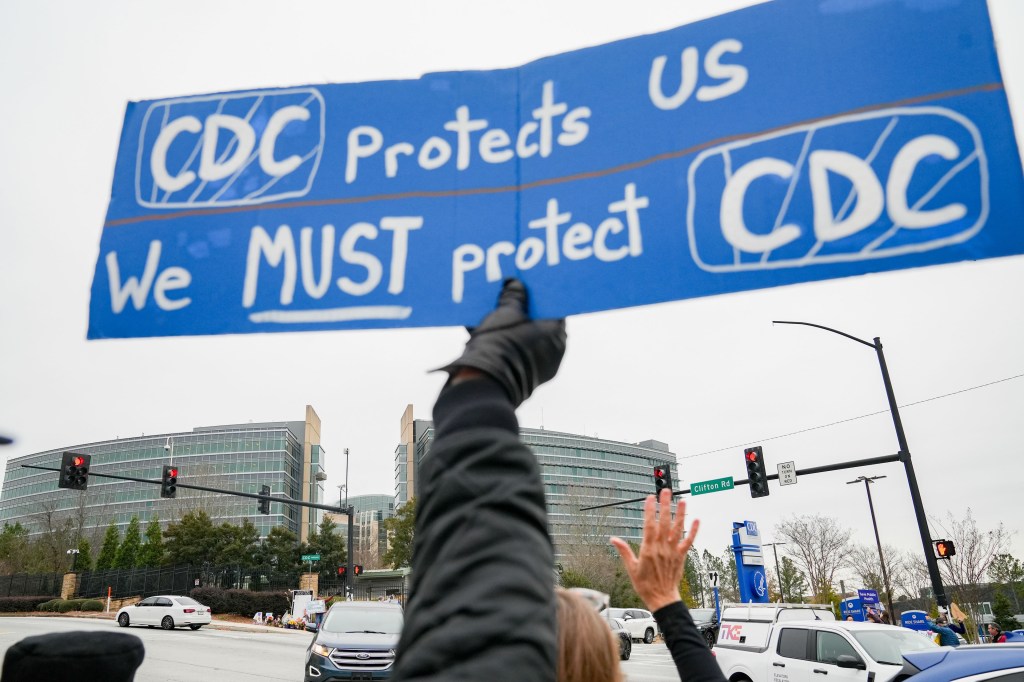
- Demoralized CDC Workforce Reels From Year of Firings, Funding Cuts, and a Shooting
- Qualified Health locks in $125M in fresh funding to scale enterprise AI at health systems
- Misery Loves [Investment] Company?: Remarks at the 2026 Investment Company Institute Investment Management Conference
- Study: Nearly 1 in 5 pediatric hospital deaths involve sepsis
- As expansions come online, CDMO Hovione aims to meet industry's 'dual supply and sourcing' zeal: exec
- Opening Remarks at the Digital Asset Summit 2026
- CVS Caremark, FTC reach settlement in insulin pricing case
- UCB unveils plan to build $2B biologics plant near its US headquarters in Atlanta
- PeaceHealth sued over plans to tap out-of-state staffer ApolloMD for Oregon EDs
- New Lyme Disease Vaccine Shows Strong Results in Trial
- TrumpRx Adds Diabetes, COPD Drugs at Steep Discounts
- Highmark reports $175M net loss for 2025 as financial headwinds batter health plan
- Listen to the Latest ‘KFF Health News Minute’

- Abivax hires commercial chief from Takeda to infuse Entyvio expertise into IBD launch prep


Our media has been focused on the Texas measles outbreak on the Mexican border, while ignoring an equally severe measles outbreak right next door in Ontario:
https://www.upi.com/Health_News/2025/02/27/canada-Ontario-measles-outbreak/4321740708228/
Measles outbreak in Ontario grows to more than 140 cases
By Darryl Coote - February 27, 2025Feb. 27 (UPI) -- A measles outbreak in Canada's Ontario province continues to grow, with health officials reporting more than 140 cases on Thursday, making it the most severe outbreak in decades.
Public Health Ontario said in an update that so far this year, it has seen a total of 119 confirmed and 23 probable cases of the highly infectious disease, with all but two associated with an ongoing multijurisdictional outbreak that began in the fall.
The officials have traced the outbreak back to a travel-related case in New Brunswick on Oct. 18. While the maritime province has since declared its outbreak over, Ontario continues to battle transmission.
A total of 177 cases have been reported in Ontario going back to October, but infections have spiked since the middle of last month.
A breakdown of the cases shows that 141 patients are 19 years of age of younger. Among children and adolescents, 97.9% were unimmunized. Eighteen of the cases have required hospitalization, including one case that needed intensive care, officials said.
More than 90% of the cases are in the jurisdictions of Southwestern Public Health and Grand Erie Public Health
The outbreak is an anomaly in Ontario where measles cases are generally rare.
Prior to the COVID-19 pandemic, the province saw between seven and 22 cases a year, Public Health Canada said, with 101 confirmed cases reported between 2013 and 2023.
Last year, there were 37 cases associated with the ongoing outbreak, officials said.
The outbreak in Ontario continues to grow as Texas battles one of its own.
On Wednesday, Texas health officials reported their first death to measles since 2015.
The eventual outcomes will provide a rare measure of the relative effectiveness of American and Canadian public health practices.
A measles outbreak in Montcalm County has been linked to a large, ongoing outbreak in Ontario, Canada. The Public Health Agency of Canada's Canadian Measles/Rubella Surveillance System (CMRSS) reports 804 cases in Ontario, with about 150 new cases every week. The Texas Department of State Health Services (DSHS) reports 600 cases in West Texas, with about 35 new cases every week:
https://www.michigan.gov/mdhhs/inside-mdhhs/newsroom/2025/04/17/measles-outbreak
Michigan currently experiencing a measles outbreak in Montcalm County
By Laina Stebbens - April 17, 2025LANSING, Mich. - The Michigan Department of Health and Human Services (MDHHS) and Mid-Michigan District Health Department (MMDHD) have confirmed a measles outbreak, which is defined as three or more related cases of measles, in Montcalm County. Montcalm County has confirmed three cases in total at this time.
This is the first confirmed outbreak of measles in Michigan since 2019. There are currently seven confirmed measles cases total in 2025.
“This outbreak underscores how contagious measles is and how quickly it can spread,” said Dr. Natasha Bagdasarian, chief medical executive. “The MMR (measles, mumps and rubella) vaccine remains our best defense, and two doses of MMR offer 97% protection against measles. We urge all Michigan residents to check their vaccination records to ensure they are up to date with the MMR vaccine.”
The outbreak in Montcalm County was initially linked to a large, ongoing outbreak in Ontario, Canada. At this time, there are no new public exposure sites to report in Michigan. The cases reported in Montcalm County are not related to any of the other confirmed cases reported in other Michigan counties. To protect the privacy of the individuals associated with this outbreak, additional details about these cases will not be shared.
Measles is a highly contagious, vaccine-preventable disease that spreads through direct person-to-person contact and through the air. Anyone who is not immune to measles is at risk. Measles symptoms usually appear seven to 14 days after contact with the virus, but can take up to 21 days. Common measles symptoms can include:
* High fever (may spike to over 104˚F).
* Cough.
* Runny nose.
* Red, watery eyes (conjunctivitis).
* Tiny white spots on the inner cheeks, gums and roof of the mouth (Koplik Spots).
* A rash that starts as flat red spots on the face at the hairline, then spreads to the trunk, arms and legs three to five days after symptoms begin. Small, raised bumps may also appear on top of the flat red spots.If you feel you may have been exposed, or if symptoms develop, call your health care provider before seeking treatment so steps can be taken to prevent exposure to other individuals.
The best protection against measles is the MMR vaccine, which provides long-lasting protection against the virus. MDHHS and MMDHD strongly encourage individuals ages 1 year and older who have not received the MMR vaccine to do so promptly to protect themselves and others. Vaccines are available at your doctor’s office, most pharmacies and your local health department. Children eligible for the Vaccines for Children program can receive no-cost vaccination at a provider enrolled in that program.
It is possible that individuals vaccinated prior to 1968 received a less-effective version of the vaccine; those individuals should contact their health care provider or local pharmacy to see if they are eligible for an additional dose.
For more information on measles in Michigan, visit Michigan.gov/Measles.
The Canadian measles outbreak is now three times larger than the American measles outbreak, despite the much higher vaccination rates in Canada:
https://health-infobase.canada.ca/measles-rubella/
Key points* In week 28 (July 6 to 12, 2025), 158 new measles cases (153 confirmed, 5 probable) were reported.
* In 2025, 3,977 measles cases (3,665 confirmed, 312 probable) and 0 rubella cases have been reported in Canada.
* Individuals travelling outside of Canada are encouraged to consult the travel health notices for information on measles and rubella outbreaks occurring in other countries.Measles
Current measles situation
* In 2025, a total of 3,977 measles cases (3,665 confirmed, 312 probable) have been reported by 10 jurisdictions (Alberta, British Columbia, Manitoba, New Brunswick, Northwest Territories, Nova Scotia, Ontario, Prince Edward Island, Quebec, Saskatchewan), as of July 12, 2025.
* In week 28 (July 6 to 12, 2025), 158 new measles cases (153 confirmed, 5 probable) were reported by 7 jurisdictions (Alberta, British Columbia, Manitoba, New Brunswick, Nova Scotia, Ontario, Saskatchewan).
* There are a total of 861 recent measles cases (829 confirmed, 32 probable), reported by 32 health units within 8 jurisdictions (Alberta, British Columbia, Manitoba, New Brunswick, Nova Scotia, Ontario, Prince Edward Island, Saskatchewan), as of July 12, 2025.
* There has been one death reported by Ontario in a congenital case of measles who was born pre-term and had other underlying medical conditions.
Paul Kilgore, co-director of the Wayne State University Center for Emerging and Infectious Diseases and director of research and professor of pharmacy practice in the Eugene Applebaum College of Pharmacy and Health Sciences is alarmed by the failure of public health measures during the current measles outbreak:
Wayne State researchers call for action as the U.S. faces its worst measles outbreak in 25 years
By Kyle Davidson - July 21, 2025Researchers from Wayne State University have called for urgent action as the country faces its worst outbreak of measles since the disease was declared eliminated in 2000.
“We are witnessing a dangerous reversal of one of public health’s greatest achievements,” said Paul Kilgore, co-director of the Wayne State University Center for Emerging and Infectious Diseases and director of research and professor of pharmacy practice in the Eugene Applebaum College of Pharmacy and Health Sciences.
“What’s particularly alarming is that 17 of Michigan’s 18 cases were unvaccinated. This is entirely preventable. History shows us what happens when we become complacent – in 1990, we saw nearly 28,000 cases and 89 deaths nationwide,” said Kilgore.
According to the Centers for Disease Control, there are 1,309 confirmed cases of Measles across the country, with three confirmed deaths, the first measles-related deaths in the U.S. in a decade.
While 95% vaccination is needed to prevent outbreaks, the Center for Emerging and Infectious Diseases warns that Michigan’s childhood measles vaccination rate stands at only 79%.
Of the 1,309 confirmed cases, 92% were among unvaccinated individuals.
“This outbreak represents a critical failure in our system of public health communication,” said Matthew Seeger, a professor of communication and a Center for Emerging and Infectious Diseases co-director. “Sadly, we’re seeing the consequences of conflicting messages and misinformation leading to confusion, distrust and vaccine hesitancy. Clear, consistent and understandable communication with trusted credible sources is essential to rebuild confidence in one of medicine’s most important public health tools.”
The recommendation follows the decision in June by Health and Human Services Secretary Robert F. Kennedy Jr. to fire all 17 members of the Advisory Committee on Immunization Practices, widely seen as part of a vaccine-skeptical agenda from the Trump administration.
The Center further warned that measles is highly contagious with 90% of susceptible individuals exposed to the virus becoming infected.
Additionally, the virus can cause “immune amnesia” destroying up to 73% of antibodies that protect against other diseases and leaving survivors vulnerable to other infections for two to three years after recovery.
In the face of the ongoing outbreak, Wayne State researchers recommend parents should immediately verify their children’s vaccination status and schedule catch-up vaccines if needed. They also recommend adults born after 1957 and unsure of their immunity consult with their health care provider.
“The measles vaccine has been safely administered to billions of people worldwide for over 60 years,” Kilgore said. “Two doses provide 97% protection for life. This isn’t just about preventing measles – it’s about protecting our children’s entire immune system and our community’s health.”
Additionally, the center advises health care facilities to review infection control protocols.
Anyone experiencing symptoms – including fever, cough, runny nose and red eyes followed by a rash – should call their health care provider before visiting to prevent further spread of the illness, Wayne state researchers said.
While the disease has been considered eliminated in the United States for 25 years, the country is at risk of losing that status, the center warned, with other nations losing elimination status due to prolonged outbreaks.
More information on the measles vaccine and vaccination is available at the Michigan Department of Health and Human Services’ website at michigan.gov/immunize.
Still, no one in public health is mentioning illegal immigration from third world countries with rampant measles outbreaks. It is hard to take public health officers seriously when they are so political.
The Pan American Health Organization (PAHO) released a report on measles cases across the western hemisphere today. Mexico is catching up with Canada and both countries have a much more extensive measles problem than the United States. The Canadian measles outbreak is a real eye opener, given their extremely vaccine compliant population. The MMR vaccine does not seem to be a magic bullet against measles, despite the commentary in this report:
https://www.paho.org/en/news/15-8-2025-ten-countries-americas-report-measles-outbreaks-2025
Ten countries in the Americas report measles outbreaks in 2025
15 August 2025Washington, D.C., 15 August 2025 (PAHO) – The Pan American Health Organization (PAHO) is urging countries in the Americas to strengthen immunization activities, enhance disease surveillance and rapid response interventions, as measles cases continue to rise in the region. As of 8 August 2025, a total of 10,139 confirmed measles cases and 18 related deaths have been reported across ten countries, representing a 34-fold increase compared to the same period in 2024.
The outbreaks are linked primarily to low vaccination coverage, with 71% of cases occurring in unvaccinated individuals and a further 18% in people whose vaccination status is unknown. In 2024, coverage with the first dose of the measles, mumps, and rubella (MMR) vaccine in the region reached 89% (two percentage points higher than in 2023), while the second dose increased from 76% to 79%. However, these levels remain below the 95% recommended to prevent outbreaks.
“Measles is preventable with two doses of a vaccine, which is proven to be very safe and effective. To stop these outbreaks, countries must urgently strengthen routine immunization and conduct targeted vaccination campaigns in high-risk communities,” said Dr. Daniel Salas, Executive Manager of the Special Program for Comprehensive Immunization at PAHO.
Countries with the highest case numbers include Canada (4,548 cases), Mexico (3,911 cases), and the United States (1,356 cases). Other countries reporting confirmed cases are Bolivia (229), Argentina (35), Belize (34), Brazil (17), Paraguay (4), Peru (4), and Costa Rica (1). Paraguay is the latest country to report an outbreak this year. Deaths have been reported in Mexico (14), the United States (3), and Canada (1). In Mexico most deaths have occurred in indigenous people between 1 and 54 years of age. Canada reported a fatal congenital measles infection in a newborn.
The current outbreaks are associated with two genotypes of the measles virus. One genotype has been identified in outbreaks across eight countries, particularly among Mennonite communities in Canada, the United States, Mexico, Belize, Argentina, Bolivia, Brazil, and Paraguay. Given that measles is a highly contagious viral disease, it spreads rapidly among unvaccinated populations, especially children. However, recent data suggests an increasing number of cases outside of these groups.
Countries highlights
* In Canada, national trends shows that transmission is persisting, particularly in Alberta, British Columbia, Manitoba, and Ontario, following an outbreak that began in New Brunswick in October 2024.
* In Mexico, a mass vaccination campaign targeting people aged 6 months to 49 years is underway in 14 priority municipalities that have active measles transmission in Chihuahua, which accounts for 93% of the country’s cases. Indigenous communities have been hardest hit, with a case-fatality rate 20 times higher than in the general population.
* The United States has reported outbreaks in 41 jurisdictions, mainly among under-vaccinated Mennonite populations, though no new cases have been reported in Texas or New Mexico since late July.
* In Bolivia, most cases are concentrated in Santa Cruz, with additional cases reported in seven other departments, affecting both the general population and Mennonite communities.
* Argentina and Belize have seen no new cases since late June.
* Brazil has reported 16 cases in Tocantins, linked to the regional outbreak and affecting members of a small Russian Orthodox community.PAHO response and recommendations
PAHO is providing direct technical cooperation across the region to support surveillance, case investigation, outbreak response, laboratory diagnostics, and vaccination efforts. This includes deploying experts to countries such as Mexico, Argentina, and Bolivia; monitoring importation risks in Brazil and Paraguay; strengthening surveillance systems; and working with communities and health workers to counter misinformation and promote vaccine uptake.
The Organization urges countries to:
* Achieve and sustain high immunization coverage (at least 95% with two doses of measles-containing vaccine),
* reinforce rapid response systems to contain outbreaks quickly,
* scale up vaccination strategies from selective approaches (such as ring or mop-up vaccination) to mass campaigns in outbreak and high-risk areas, based on the epidemiological situation and population movement.
* ensure timely detection and laboratory confirmation of cases,
* and engage at-risk communities to improve health literacy and address vaccine hesitancy.PAHO does not recommend travel restrictions but advises travelers to ensure they are vaccinated, especially when visiting areas with active outbreaks. This includes children aged 6 to 11 months, who are not usually covered by routine immunization programs but should receive early protection in outbreak contexts.
Regional and global context
The Americas interrupted endemic transmission of measles in 2016, a milestone unique at the global level. Although endemic transmission reappeared in Venezuela and Brazil in 2018 and 2019, both countries regained their elimination status in 2023 and 2024, respectively. However, keeping measles at bay in the Americas remains a challenge, as the virus continues to circulate widely in other parts of the world and vaccine-hesitant groups are spread throughout the region.
Globally, surveillance data from the World Health Organization (WHO) has recorded 239,816 suspected cases and 108,074 confirmed cases in all WHO Regions, as of July 2025. The Eastern Mediterranean Region accounts for the highest share (35%), followed by the African Region (21%) and the European Region (21%).
The Texas Department of State Health Services (DSHS) declared their measles outbreak over:
https://www.dshs.texas.gov/news-alerts/texas-announces-end-west-texas-measles-outbreak
Texas announces end of West Texas measles outbreakNews Media Contact: pressofficer@dshs.texas.gov
August 18, 2025
The Texas Department of State Health Services is reporting the end of this year’s measles outbreak centered in West Texas. It has been more than 42 days since a new case was reported in any of the counties that previously showed evidence of ongoing transmission. DSHS will continue to monitor for new cases but will cease updating the interactive outbreak dashboard.
As of Aug. 18, 762 cases of measles have been confirmed in the outbreak since late January. More than two-thirds of the cases were in children. Ninety-nine people were hospitalized over the course of the outbreak, and there were two fatalities in school-aged children.
“I want to highlight the tireless work of the public health professionals across the state who contributed to the containment of one of the most contagious viruses. We arrived at this point through a comprehensive outbreak response that included testing, vaccination, disease monitoring and educating the public about measles through awareness campaigns,” said DSHS Commissioner Jennifer A. Shuford, MD, MPH. “I also want to recognize the many health care professionals who identified and treated cases of a virus that most providers had never seen in person before this outbreak.”
Public health professionals consider a measles outbreak over after 42 days with no new cases because that is double the disease’s maximum incubation period, the longest time it can take between when a person is exposed to the virus and when they get sick.
The end of this outbreak does not mean the threat of measles is over. Since there are ongoing outbreaks of measles in North America and around the world, it is likely that there will be additional cases of measles this year in Texas. Health care providers should continue to be vigilant and test for measles if their patient has symptoms compatible with the virus.
Measles is a highly contagious respiratory illness, which can cause life-threatening illness to anyone who is not protected against the virus. During a measles outbreak, about one in five children who get sick will need hospital care and one in 20 will develop pneumonia. Rarely, measles can lead to swelling of the brain and death. It can also cause pregnancy complications, such as premature birth and babies with low birth weight.
Background:
Measles can be transmitted by direct contact with infectious droplets or by airborne spread when an infected person breathes, coughs, or sneezes. People who are infected usually begin to have symptoms within a week or two after being exposed. Early symptoms include high fever, cough, runny nose, and red, watery eyes. A few days later, the telltale rash breaks out as flat, red spots on the face and then spreads down the neck and trunk to the rest of the body. A person is contagious about four days before the rash appears to four days after. People who could have measles should stay home during that period.
People who think they have measles or may have been exposed to measles should isolate themselves and call their health care provider before arriving to be tested. It is important to let the provider know that the patient may have measles and to get instructions on how to come to the office for diagnosis without exposing other people to the virus.
The best way to prevent getting sick is to be immunized with two doses of a measles-containing vaccine, which is primarily administered as the combination measles-mumps-rubella or MMR vaccine. Two doses of the MMR vaccine prevent more than 97 percent of measles infections. A small number of vaccinated people can occasionally develop measles. In these cases, the symptoms are generally milder, and they are less likely to spread the disease to other people. DSHS and the Centers for Disease Control and Prevention recommend children receive one dose of MMR at 12 to 15 months of age and another at 4 to 6 years. Children too young to be vaccinated are more likely to have severe complications if they get infected with the measles virus. However, each MMR dose lowers the risk of infection and the severity of illness if infected.
Health care providers can find recommendations for infection control and diagnostic testing in DSHS health alerts. Providers should report any suspected cases to their local health department immediately, preferably while the patient is still with the provider.
News Media Contact: pressofficer@dshs.texas.gov
Canada just lost its measles elimination status, despite being the land of vaccination at government gun point. Mexico is probably not far behind:
https://apnews.com/article/canada-loses-measles-elimination-status-1ac3a4bdc7546fac5d8e111bf5196e1e
Canada loses measles elimination status after ongoing outbreaks
By Devi Shastri - November 10, 2025Canada is no longer measles-free because of ongoing outbreaks, international health experts said Monday, as childhood vaccination rates fall and the highly contagious virus spreads across North and South America.
The loss of the country’s measles elimination status comes more than a year after the highly contagious virus started spreading.
Canada has logged 5,138 measles cases this year and two deaths. Both were babies who were exposed to the measles virus in the womb and born prematurely.
Measles elimination is a symbolic designation, but it represents a hard-won battle against the infectious disease. It is earned when a country shows it stopped continuous spread of the virus within local communities, though occasional cases might still pop up from travel.
Measles typically begins with a high fever followed by a telltale rash that starts on the face and neck. Most people recover, but it’s one of the leading causes of death among young children, according to the World Health Organization. Serious complications, including blindness and swelling of the brain, are more common in young children and adults over age 30.
It is prevented by a vaccine administered routinely and safely to children around the world.
“It’s a deeply disheartening development. It’s a deeply worrisome development. And, frankly, it’s an embarrassing development,” said Jennifer Nuzzo, a Brown University infectious disease expert. “No country with the amount of resources of Canada — or other countries in North America even — should lose their measles elimination status.”
Vaccination campaigns led to elimination
Canada eliminated measles in 1998, followed by the United States two years later. After hugely successful vaccination campaigns, the Americas became the first region in the world to be free of measles in 2016. Health officials estimate the measles vaccine prevented 6.2 millions deaths in the Americas between 2000 and 2023.
But vaccination rates have since slipped below the 95% coverage rate needed to stop outbreaks. Large outbreaks in Venezuela and Brazil in 2018 and 2019 cost the region its elimination status. It was reclaimed in 2024, but ends again with Canada’s loss.
Experts from the Pan American Health Organization, an independent health agency, made the determination after analyzing data on Canada’s outbreaks that showed the virus has spread continuously for a year.
It has never been easy to stop measles from circulating in local communities, Dr. Jarbas Barbosa, director of the Pan American Health Organization, said in a briefing Monday.
“As a region, we have eliminated measles twice,” Barbosa said. “We can do it a third time.”
In a statement, Canadian health officials said they were working with government and community partners to improve vaccination coverage, share data and provide evidence-based guidance.
The virus is one of the most contagious known to medicine. One infected person can spread it to up to 9 out of 10 unprotected people they come into close contact with. Health experts say, by far, the best prevention against measles is the vaccine, which provides 97% protection after two doses.
Barbosa’s organization has confirmed nearly 12,600 cases this year across 10 countries, a 30-fold increase from 2024. The vast majority are in Canada, the U.S. and Mexico, but Bolivia, Brazil, Paraguay, and Belize also have active outbreaks.
In 2024, the region had a 79% vaccination rate, an increase from years past but still too low, he said.
United States could be next to lose status
The U.S. eliminated measles in 2000. That status is at risk even though the large outbreak that killed three and sickened nearly 900 across Texas, New Mexico and Oklahoma earlier this year is over.Current outbreaks in the U.S. include 34 cases in South Carolina and one hitting towns on the Arizona-Utah border that has sickened more than 150 since mid-August.
A major question now is if either are linked to the Texas outbreak. To lose elimination status, health data must show a continuous chain of measles spread for one year.
International health officials have recommended the U.S. “enhance case investigation protocols,” because closing data gaps is key to stopping the virus from taking hold again, said Dr. Daniel Salas, who leads immunization efforts at the Pan American Health Organization.
The U.S. Centers for Disease Control and Prevention has confirmed 1,681 cases and 44 outbreaks this year, making it the worst year for measles in the U.S. in more than three decades. Only nine states haven’t confirmed cases, according to the CDC.
A large outbreak also continues in Chihuahua, Mexico, where health officials have confirmed 4,430 cases as of last week and 21 deaths, according to state health data.
Mexican and U.S. officials have said the genetic strains of measles spreading in Canada match those in the Texas and Chihuahua outbreaks. All those outbreaks affected certain Mennonite Christian communities who trace their migration over generations from Canada to Mexico to Seminole, Texas.
In August, officials said Mennonite communities in Belize, Argentina, Bolivia, Brazil, and Paraguay had outbreaks of the same type of measles virus.
Mennonite churches do not formally discourage vaccination, though more conservative Mennonite communities historically have low vaccination rates and a distrust of government.
It’s tempting to look at the outbreaks in a vacuum, Nuzzo said. But many are likely linked, she said, not just by sick people traveling but also by anti-vaccine disinformation.
“It’s not a religious prohibition in most of these cases,” she said. “It is just people being, perhaps, distrustful of authorities, but also preyed upon by these anti-vaccine influencers who profit off of the fears that some people may have.”
Statement from the Public Health Agency of Canada:
Statement from the Public Health Agency of Canada on Canada’s Measles Elimination Status
From: Public Health Agency of Canada
November 10, 2025 | Ottawa, ON | Public Health Agency of CanadaThe measles vaccine is the best way to protect you and your family. By staying vigilant and working together to increase measles vaccine coverage, we can prevent outbreaks and keep our communities safe against this preventable disease.
Canada is currently experiencing a large, multi-jurisdictional outbreak of measles that began in October 2024 with cases in Alberta, British Columbia, Manitoba, New Brunswick, Nova Scotia, Ontario, Prince Edward Island, Quebec, Saskatchewan, and the Northwest Territories. While transmission has slowed recently, the outbreak has persisted for over 12 months, primarily within under-vaccinated communities.
The Pan American Health Organization (PAHO) has notified the Public Health Agency of Canada (PHAC) that Canada no longer holds measles elimination status. PAHO's Measles and Rubella Elimination Regional Monitoring and Re-Verification Commission reviewed recent epidemiological and laboratory data, confirming sustained transmission of the same measles virus strain in Canada for a period of more than one year.
PHAC is collaborating with the PAHO and working with federal, provincial, territorial, and community partners to implement coordinated actions—focused on improving vaccination coverage, strengthening data sharing, enabling better overall surveillance efforts, and providing evidence-based guidance.
In October 2025, Health Ministers from across the country were briefed on the status of measles in Canada and committed to working together and discussing coordinated actions, including strategies to build trust through community engagement. Ministers also acknowledged the importance of health security to collectively protect Canada against public health threats.
Canada can re-establish its measles elimination status once transmission of the measles strain associated with the current outbreak is interrupted for at least 12 months.
Contacts
Media Relations
Public Health Agency of Canada
613-957-2983
media@hc-sc.gc.ca
Measles outbreaks are due to immigration, not vaccine hesitancy. Texas is back in the spotlight as the Department of Homeland Security (DHS) just locked down their Dilley Immigration Processing Center in South Texas due to a measles outbreak:
https://thehill.com/policy/healthcare/5718614-texas-dhs-measles-outbreak/
DHS locks down detention center hit by measles outbreak
By Max Rego - February 2, 2026The Department of Homeland Security (DHS) said Sunday it has locked down the Dilley Immigration Processing Center in South Texas amid a measles outbreak.
DHS Assistant Secretary Tricia McLaughlin told NewsNation, The Hill’s sister network, that the Texas Department of State Health Services (DSHS) confirmed Saturday that two detainees at the center had contracted measles.
McLaughlin added that Immigration and Customs Enforcement’s (ICE) Health Service Corps “immediately took steps to quarantine and control further spread and infection, ceasing all movement within the facility and quarantining all individuals suspected of making contact with the infected.”
“Medical staff is continuing to monitor the detainees’ conditions and will take appropriate and active steps to prevent further infection,” she said. “All detainees are being provided with proper medical care.”
Last week, DSHS warned Texas residents of three confirmed measles cases in non-Texas residents who spent time in Reeves and Ward counties. The department said that exposure could have occurred from Jan. 13-18 in multiple locations, including Ward Memorial Hospital and a Walmart in Pecos, Texas.
It is unclear whether the West Texas outbreak is related to the two cases in the immigration facility. The Dilley facility recently housed 5-year-old Liam Conejo Ramos and his father, Adrian Conejo Arias, before a federal judge ordered ICE to release the two back to Minnesota.
As of Thursday, the Centers for Disease Control and Prevention (CDC) has confirmed 588 measles cases in the U.S. so far this year, three of which were reported among international visitors. The CDC notes that 94 percent of the confirmed U.S. measles cases in 2026 are associated with outbreaks.
The South Carolina Department of Public Health has reported 847 measles cases around Spartanburg County as of Friday, marking the largest spread of the disease in the U.S. since it was declared eliminated at the turn of the century.
Last month, the U.S. met a key condition for losing its measles elimination status after the CDC reported 2,267 cases of the disease last year. A country is considered to not have eliminated measles after 12 months of transmission, a mark that Canada hit late last year.
The CDC recommends the measles, mumps and rubella (MMR) vaccine to prevent contracting the disease. Two doses of the MMR vaccine are roughly 97 percent effective, while one dose is about 93 percent effective, the CDC says.
Get MHF Insights
News and tips for your healthcare freedom.
We never spam you. One-step unsubscribe.
Sponsors
Friends of MHF





Kirsten DeVries
Tom & Karen Nunheimer
Steve Ahonen
Ron & Faith Bosserman
Marlin & Kathy Klumpp
Sign Up for MHF Insights to keep up on the latest in Michigan Health Policy