










Michigan healthcare freedom community forum

The Paragon Health Institute has released a report which finds 6.2 million people were improperly enrolled in the PPACA (Patient Protection Affordable Care Act) exchanges in 2026. Paragon found improper enrollments were most common in states that did not expand Medicaid, as well as states that use the federal Healthcare.gov platform instead of their own systems.
Taxpayers subsidize the phantom enrollments to the tune of nearly $25 billion. Those subsidies of phantom enrollments go to brokers and insurance companies, not anyone's healthcare:
https://thehill.com/policy/healthcare/5908600-obamacare-improper-enrollments-report/
Conservative think tank alleges widespread ObamaCare enrollment fraud
By Nathaniel Weixel - June 3, 2026An influential conservative think tank contends that a quarter of all ObamaCare exchange enrollments were improper, adding more fuel to claims from the Trump administration and GOP lawmakers that the exchanges are rife with fraud.
The Paragon Health Institute’s report found more than 6 million people were improperly enrolled in the health law’s exchanges in 2026. The report also argued taxpayers will improperly subsidize the Affordable Care Act program by nearly $25 billion.
The group defines improper enrollment as the number of people signed up in the lowest income category—who receive the highest possible subsidy— that exceeds the number of potentially eligible people in that income category, across states. The analysis uses publicly available enrollment and Census Bureau data.
Paragon is led by Brian Blase, a former economic aide to President Trump. The group has played an outsize role in shaping health policy decisions in Congress and the administration.
Blase and Paragon helped design many of the Medicaid cuts contained in the GOP’s tax cut and spending reconciliation bill last year, and advised lawmakers to let ObamaCare’s enhanced tax credits expire this fall.
Ahead of November’s midterm elections, Republicans are looking for a health care affordability message and a counter to Democratic attacks that the expiration of the subsidies and health cuts in the megabill will drive up costs and increase the number of uninsured.
ObamaCare enrollment grew sharply during the Biden administration, but fell by more than 1 million people in President Trump’s first term in office. Those numbers are expected to drop even more this year.
Administration officials and congressional Republicans contend the estimates of the numbers of people losing insurance have been overblown, and the losses that do happen are a result of cutting waste and fraud.
Democrats, they argue, are focused on boosting enrollment at all costs without putting enough safeguards in place to properly verify the people who sign up.
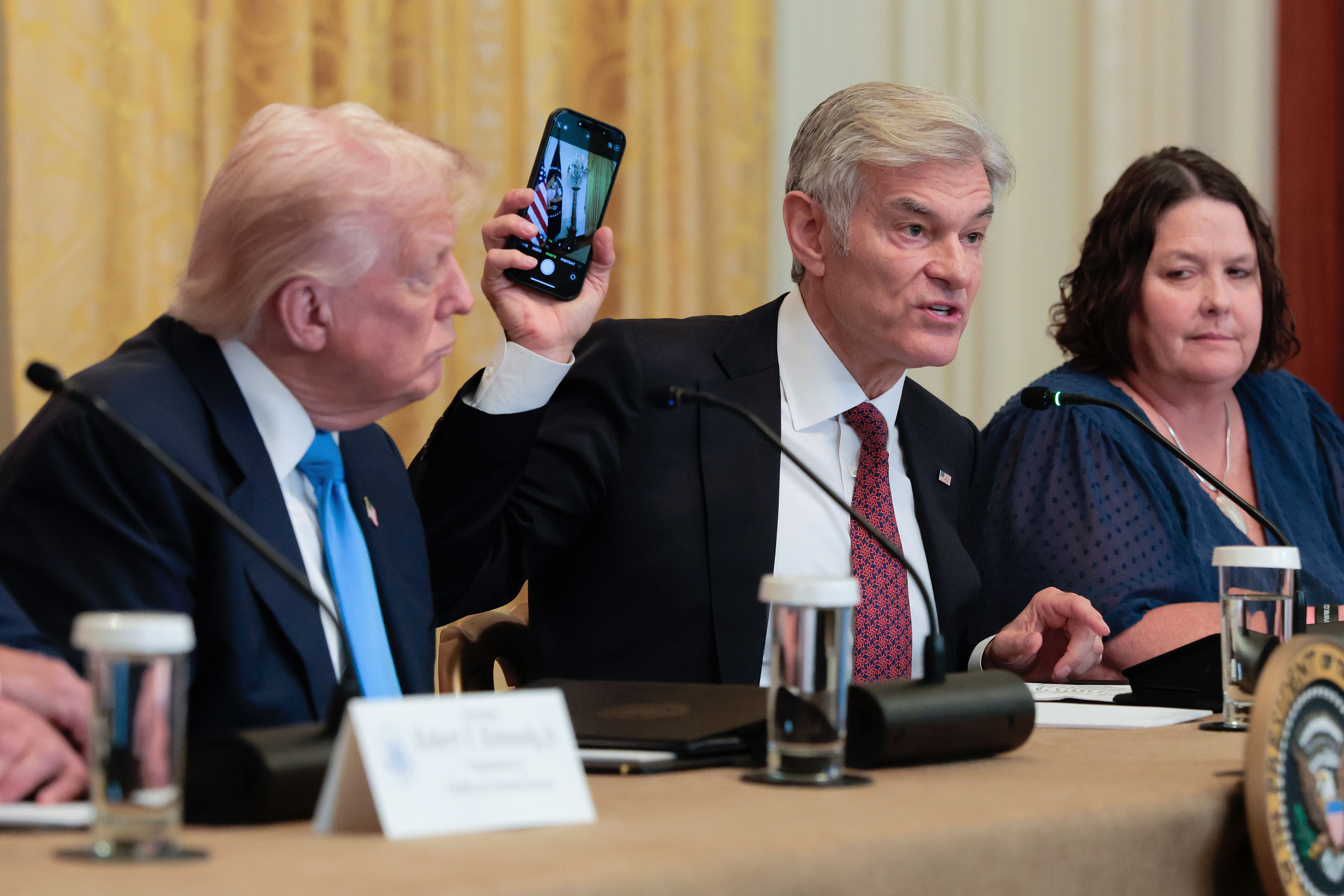
“We believe that 35 percent, roughly, of the people using the Obamacare exchanges … may not be legit” because they have never filed a claim, Mehmet Oz, who runs the Centers for Medicare and Medicaid Services, said Tuesday during a White House briefing.
“If you care about the ACA, then you’ll want us to take the fraud out,” Oz said.
According to Paragon’s analysis, improper enrollments were especially problematic in states that did not expand Medicaid and in states that use the federal healthcare.gov platform instead of their own systems. Paragon says that’s because the federal platform has weaker enrollment controls and verification systems.
For instance, the analysis claims that more than half of all enrollees in Florida are improperly enrolled.
Jessica Altman, executive director of California’s ACA exchange Covered California, said the federal government should follow similar policies to what the states are doing.
“Broad rule changes that make it harder for people to enroll in and maintain coverage do not strengthen marketplace integrity. They create new barriers for eligible consumers at a time when families are already struggling with higher costs and cannot afford to lose access to affordable health care,” Altman said in a statement.
The report contends that excessive subsidies and the widespread availability of zero-premium plans “created strong incentives for both consumers and enrollment intermediaries to misstate enrollee income to maximize subsidies and commissions.”
Paragon in the report praised the Trump administration’s program integrity regulatory actions as well as provisions in the One Big Beautiful Bill, but recommended Congress go further.
Policies like stronger oversight of third-party enrollment entities, and investigating and suspending unscrupulous brokers and intermediaries involved in unauthorized enrollment activity will help, the report argued, as well as eliminating the zero-premium plans.
Get MHF Insights
News and tips for your healthcare freedom.
We never spam you. One-step unsubscribe.
Sponsors

J & DE Family Charitable Fund

Friends
of MHF

Kelly Grotendiek
Philip Harbach
Dale Johnson
Drs. Jeffrey and Joni Jones
Vickie Kahle
Tammy Kipen
Marlin & Kathy Klumpp
Melanie Kurdys
Ruth Nobel
Patrick Peterson
Stephanie Poortenga
Jeanne Smit
Ben and Hope Staal
John Tuinstra
Jacki VanHuis
Sandy Walker
Sign Up for MHF Insights to keep up on the latest in Michigan Health Policy