- 5 state behavioral health policy updates

- Oregon’s anti-consolidation bill tested by physician contract switch-up
- Mass General Brigham, Dana-Farber to coordinate on split: Boston Globe
- How AI-enabled early detection is redefining preventive care
- Medical device maker Stryker hit with cyberattack
- New York university to launch dental school
- Aetna to pay $118M to resolve Medicare Advantage upcoding allegations
- Fraud lawsuits against Erlanger can proceed, judge rules
- Medical debt linked to deferred dental care: Study
- FDA launches single adverse event platform
- Riverside Health taps new system finance leader, hospital president
- Medicare beneficiaries may pay more amid insurer acquisitions of PBMs: Study
- Medicare beneficiaries may pay more amid insurer acquisitions of PBMs: Study
- Virginia Mason Franciscan exec heads to Providence
- IU Health bets on ‘big, one-time endeavors’ for the future
- IU Health bets on ‘big, one-time endeavors’ for the future
- Atrium Health Wake Forest Baptist taps hospital president
- ADHA targets professional autonomy in new strategic plan: 5 notes
- Duke University Health System files CON for $6.4M ASC
- Ohio dental practice to permanently close
- 3 health systems outsourcing RCM functions
- A flurry of noncompete updates in Q1
- Specialty1 Partners continues 2026 growth with new joint venture
- The CMS loophole shrinking ASC access: Inside ASCA advocacy
- CMS imposes equipment supplier moratorium; 3 sentenced to prison in fraud cases
- Guidelight names chief growth officer
- ‘A delta in opportunity’: The savings independent ASCs are leaving on the table
- Despite insurers' expense pains, Tenet Healthcare is securing healthy commercial rates through 2027
- Nebraska Medicine’s $99.3M center to expand behavioral health services
- FDA approves 1st treatment for cerebral folate deficiency tied to autistic features
- 8 health system rating downgrades
- The looming impact of site-neutral payments on ASCs
- Dental industry headed for consolidation shift amid DSO financial woes: 4 notes
- Why this anesthesia leader says stipends are here to stay
- Northwestern Medicine opens expanded outpatient center
- Meet the ASC industry’s ‘alternative to the traditional MSO’
- University of Minnesota dental clinic closes over financial challenges
- Study Links State Taxes to COVID Lockdown Decisions
- Hospital expenses grew twice as fast as prices in 2025: 4 AHA findings
- Aetna to pay $117.7M to settle Medicare Advantage upcoding allegations: DOJ
- Connecticut fines debt collector $100K for calls to hospital emergency line
- ADA names Dr. Nader Nadershahi as executive director
- Connecticut health system strikes RCM partnership
- Stryker hit by international cyberattack linked to pro-Iran group
- AHA: Hospitals' total expenses rose by 7.5% in 2025
- AstraZeneca recruits Joshua Jackson, Philadelphia Flyers’ Gritty to cancer screening push
- As Lilly flourishes in Q4, peer projections signal looming sector slowdown in 2026
- FDA May Allow Some Flavored Vapes Aimed at Adults
- Dark Sweet Cherries May Help Slow Aggressive Breast Cancer, Mouse Study Suggests
- FDA Approves Leucovorin for Rare Brain Disorder, Not Autism
- Joint Economic Committee report: Medicare Advantage overpayments drive up Part B premiums
- Veeva shells out $100M for Ostro and its AI chat tool for pharma brand engagement
- Lilly beefs up oral GLP-1 capacity with $3B manufacturing pledge in China
- UCB's Bimzelx continues winning streak with victory over AbbVie's Skyrizi
- Lowering Parents' Stress Can Reduce Risk Of Childhood Obesity
- Multilingualism Might Not Aid Brain Aging, Researcher Argues
- 15-Year Study Shows Sharp Rise in Depression Among U.S. College Students
- Repealing Motorcycle Helmet Laws Leads to More Severe Crashes, Millions in Added Treatment Costs
- Why Childhood Cavities May Predict Adult Heart Disease
- Physical Therapy Costs Vary Widely In U.S., Study Finds
- J&J's Joaquin Duato joins $30M CEO pay club with 30% compensation boost for 2025
- Cosmetic Surgery Investigation Prompts Warnings for Patients, and a Push for Tighter Safety Standards

- Primary Care Is in Trouble. So Doctors Band Together To Boost Their Market Power.

- Skyhawk taps Teva alum to steer commercial path, while Santhera names new CCO to grow DMD sales
- Driving the news at HIMSS26: Verily, Samsung ink collaboration; Meditech's latest AI solutions
- Minnesota to give $5M in restitution to patients of shuttered dental office
- Colorado hospitals, advocates launch youth mental health coalition
- Pennsylvania hospital CFO on life after bankruptcy: ‘You’ve got to hold the line’
- Medicare allegedly paid $15M+ for ED services tied to non-ED sites: Report
- Climate warming could increase anxiety, depression: Study
- Sutter Health boosts operating margin to 2.6% in 2025
- Remarks at the Institute of International Bankers 2026 Annual Washington Conference
- Fostering Regulatory Harmony Between the SEC and CFTC
- Only 4 states satisfy over 50% of mental health workforce needs: Report
- Here's where hospital markets are the most concentrated
- A look at how CVS is leaning on 'agentic twins' in developing consumer tech
- Bancos, primera línea de batalla contra los fraudes financieros a adultos mayores

- Inside Grand Mental Health’s tech-enabled crisis response model
- Sandoz to set up standalone biosimilars unit as it eyes upcoming 'golden decade' of patent losses
- Indiana syringe services face ID requirement, restrictions
- AbbVie's Robert Michael earns hefty pay bump to $32.5M in 2nd year as CEO
- NYU Stern report calls for private equity reforms to safeguard quality of care
- Remarks at the International Bar Association’s 24th Annual International Conference on Private Investment Funds
- Raw Oysters and Clams Recalled After Norovirus-Like Illness Outbreak in Washington
- Mammograms May Also Reveal Hidden Heart Disease Risk, Study Finds
- Chile Becomes First Country in the Americas To Eliminate Leprosy
- Going Abroad? CDC Warns Travelers About Polio Risk in Several Countries
- Listen to the Latest ‘KFF Health News Minute’
- The Fierce Healthcare team on the Fierce 15 of 2026
- Más niños llegan a salas de emergencias con dolor de muelas. Los recortes de Trump y la lucha anti flúor de RFK Jr. no ayudan
- Centene's stock falls as CEO London outlines ongoing ACA headwinds
- AI-fueled misdiagnoses, rural care barriers are 2026's top patient safety threats: ECRI
- Patients want price transparency, e-commerce experience from pharma DTP platforms: survey
- Carrum Health teams up with Virta Health on a comprehensive weight loss solution
- Leerink questions whether BioNTech can thrive without their 'founders' insight' as stock drops
- Novo Nordisk's US headquarters under fire in latest FDA warning letter
- Filana leaves Cassava roots behind amid branch into epilepsy
- Nearly Half of U.S. Kids Lack Adequate Sleep, Survey Shows
- Trump Caused Immediate Decrease in Acetaminophen Rx's For Pregnant Women, Study Finds
- Students Spend A Third Of Their School Day On Their Smartphone, Study Says
- Daily Multivitamins Slow Aging, Clinical Trial Finds
- Stress of Pregnancy Complications Might Impact Future Heart Health, Study Says
- Approved IV Drug, Gazvya, Reduces Lupus Symptoms, Clinical Trial Finds
- CSL telegraphs 300 new hires as it breaks ground on $1.5B plasma-based medicine plant near Chicago
- Banks Are Becoming Bulwarks Against Scams for Vulnerable Seniors
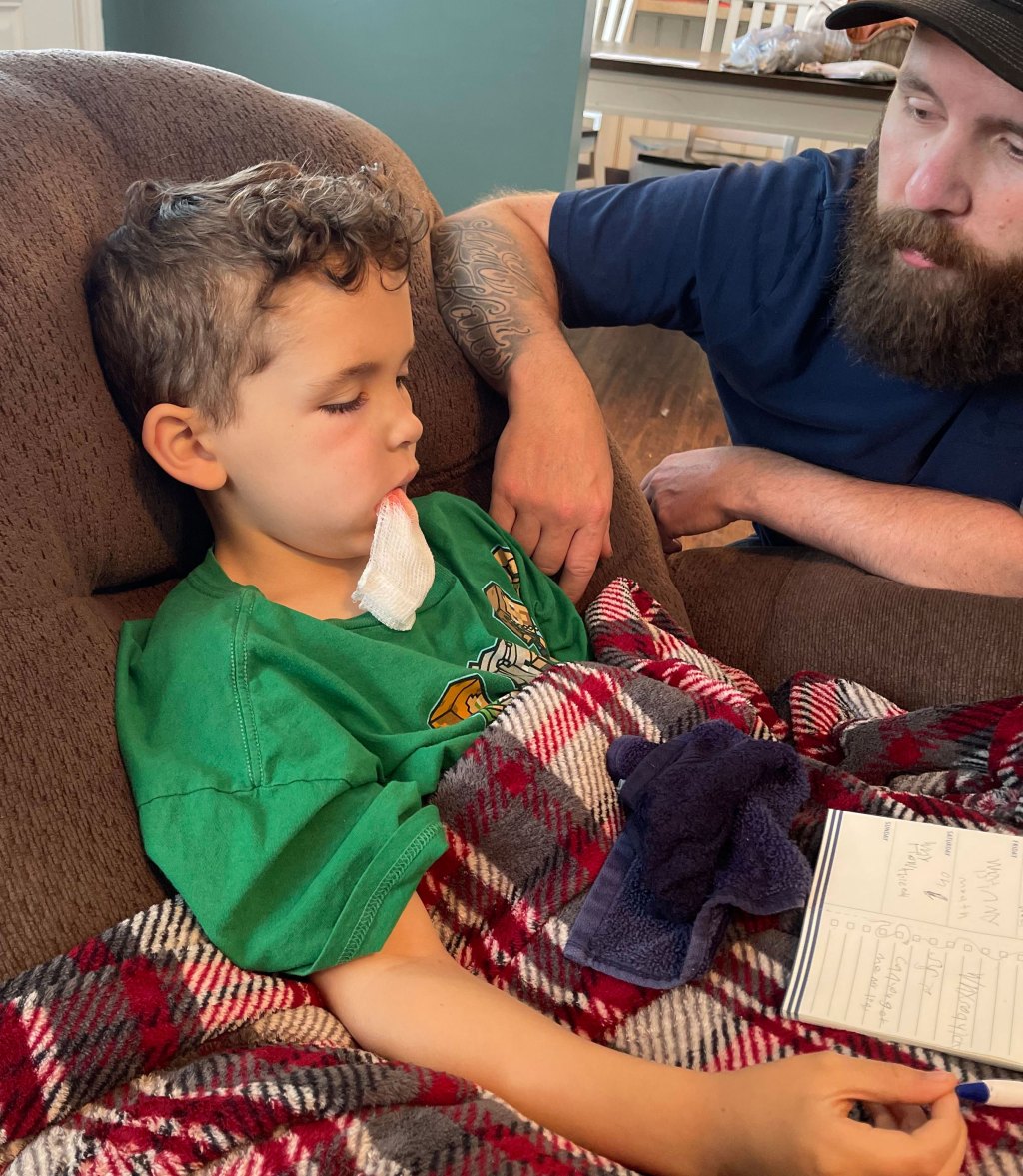
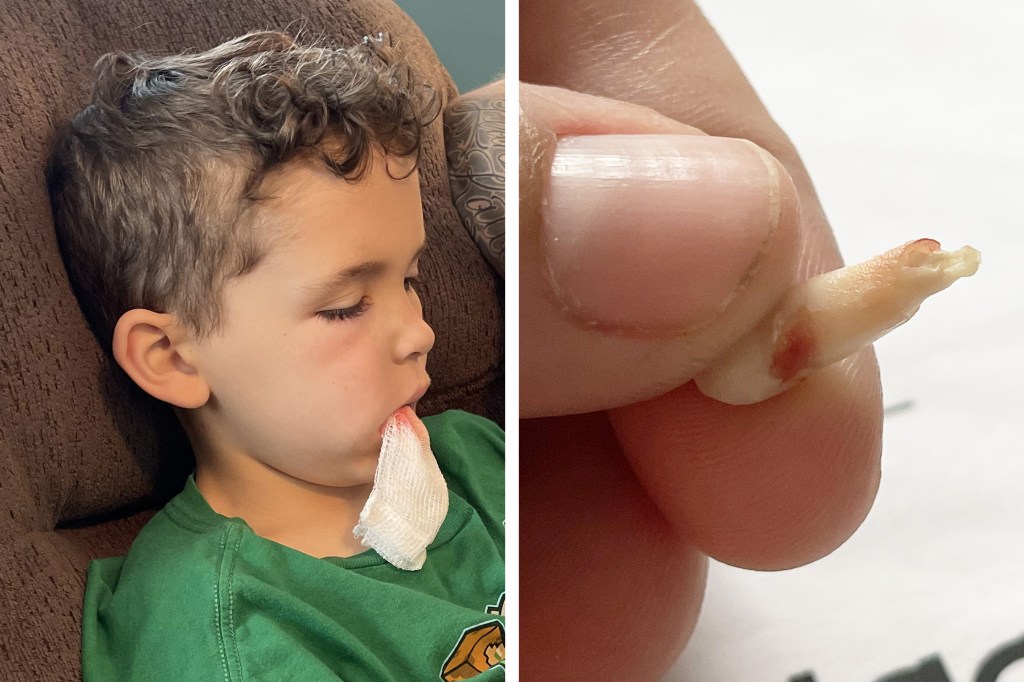
- More Kids Are in ERs for Tooth Pain. Trump Cuts and RFK Jr.’s Anti-Fluoride Fight Aren’t Helping.
- FDA approves leucovorin for ultrarare cerebral folate deficiency subset without clinical trial
- BioNTech's CEO, CMO prep departure to set up next-gen mRNA company
- 12 new behavioral health sites to know
- HIMSS26: Samsung, b.well partner to 'kill the clipboard,' aligning with a key CMS goal
- HIMSS26: Epic expands AI roadmap, previews Factory to build and orchestrate AI agents
- A $21M farewell: Emma Walmsley lands nearly 50% pay hike in final year as GSK chief
- Remarks at the 45th Annual Small Business Forum
- Founders, Funders, and Forty-Five Forums: Remarks at the 45th Annual Small Business Forum
- Remarks at the 45th Annual Small Business Forum
- Leapfrog ordered to remove safety grade for 5 Tenet hospitals
- FDA unveils 4th revision of draft guidance for looser biosimilar testing requirements
- 'Fibermaxxing' Trend Encourages People To Eat More Fiber
- Lilly rewards CEO David Ricks with $36.7M pay package for 2025, fueled by GLP-1 success
- That Stressful Person in Your Life Might Be Aging You Faster, Study Finds
- Newsom se enfrenta a Trump y RFK Jr. por la salud pública
- Infant Bath Seats Sold on Amazon Recalled Due To Tipping Hazard
- FDA Vaccine Chief Dr. Vinay Prasad Exiting Role
- Spruce hooks a commercial chief to prep for rare disease launch
- Hims & Hers makes deal with Novo Nordisk as it shifts obesity strategy
- Fierce Healthcare highlights Fierce 15 of 2026 honorees at NYSE
- Universal Health Services to acquire Talkspace in $835M deal to build out virtual behavioral health
- Florida no amplió Medicaid, pero igual algunos legisladores quieren imponer requisitos de trabajo

- Novo and Hims make nice, striking deal to sell Ozempic, Wegovy on Hims' telehealth platform
- Sotyktu, take 2: BMS' first-in-class pill gains FDA nod to treat psoriatic arthritis
- 'SNL' pokes fun at mysteries of Amgen's Otezla for plaque psoriasis
- Weighted Vests Help Keep Bones Strong — But Only If Seniors Stay Active
- Small Drop In Measles Vaccinations Tied to Big Jump In Cases
- UV Air Filters Cut Airborne Asthma Triggers, Study Finds
- Many Seniors Gain Physical, Mental Fitness As They Age, Study Finds
- Common Drug Class, Anticholinergics, Shows Links to Heart Risk — Are You Taking One?
- Illicit Drugs Raise Stroke Risk, Even for Younger Adults
- Florida Hasn’t Expanded Medicaid. Lawmakers Want To Add Work Requirements Anyway.
- Omada Health swings to a profit in Q4, offers new GLP-1 cash-pay option for employers
- Most Americans Say They Don’t Trust Driverless Cars — Here’s Why
- Can The Critters in Your Mouth Cause or Cure Disease?
- KFF: A look at Part D enrollment trends for 2026
- Healthcare Dealmakers—Hims & Hers goes international with Eucalyptus purchase, Humana's CenterWell buys MaxHealth and more
- Some Patients Keep Weight off With Fewer GLP-1 Injections, Study Finds
- RFK Jr. Urges Medical Schools To Add More Nutrition Training
- Sixth Measles Case Confirmed in New Mexico Jail
- Community Health System selling 4 Arkansas hospitals to Freeman Health System for $112M
- Philips unveils Rembra CT for acute and high-demand imaging environments
- Philips unveils Rembra CT for acute and high-demand imaging environments
- 45,000 Halo Magic Sleepsuits For Babies Recalled Over Choking Risk


Reuters has an article posted online which reports that federal authorities are filing civil actions against doctors engaged in medical fraud, but the victims receive no proceeds from the settlements and state licensing authorities take no actions against the doctors. Reuters cites one anonymized Michigan case in this report, which is too large to reprint in its entirity:
https://www.reuters.com/investigates/special-report/usa-healthcare-settlements/
How doctors buy their way out of trouble
By Michel Berens - May 24, 2023Medical practitioners and providers paid $26.8 billion over the past decade to settle federal allegations including fraud, bribery and patient harm, a Reuters investigation found. Paying up means staying in business and, for some, avoiding prison. U.S. prosecutors helped them do it.
When federal enforcers alleged in 2015 that New York surgeon Feng Qin had performed scores of medically unnecessary cardiac procedures on elderly patients, they decided not to pursue a time-consuming criminal case.
Instead, prosecutors chose an easier, swifter legal strategy: a civil suit. Qin agreed to pay $150,000 in a negotiated settlement and walked free to perform more cardiac surgeries at his new solo practice in lower Manhattan.
Qin faced no judge or jury. He did not admit to wrongdoing. He maintained his license to practice. What’s more, neither Qin nor government officials were required to notify patients who purportedly were subjected to vascular surgical procedures they didn’t need. Those included fistulagrams to spot issues like narrowed blood vessels or clots, and angioplasties to open clogged coronary arteries.
Within months of the settlement, a registered nurse working for Qin at his Manhattan practice alerted authorities that something seemed amiss. The nurse, who ultimately turned whistleblower, alleged to federal prosecutors that the surgeon was performing unnecessary procedures on patients, mostly elderly Asian and Black immigrants whose care was covered by the public programs Medicare or Medicaid.
Prosecutors indicted Qin in 2018 on a felony count of fraud, which carried a maximum sentence of 10 years in prison. But in 2021, in a deal brokered behind closed doors, prosecutors dropped that charge in favor of yet another civil settlement, court records detailing that agreement show.
Once again, Qin kept his New York license to practice with no restrictions; a restricted license is one of the few ways the public can learn that a doctor has been disciplined for bad behavior. Qin agreed to pay a total of $800,000 in annual installments ending in December 2025, deposited with the U.S. Department of the Treasury. As an added penalty, he was banned from billing public health programs until February 2025.
<snip>
Tasked with protecting public health programs from waste and fraud, more than two dozen current and former federal prosecutors and investigators who spoke to Reuters defended settlements as a cost-effective compromise to recover taxpayer monies. They contend that compliance, not punishment, is the aim so that accused wrongdoers can stay in business, thus preserving public access to vital healthcare services.
Among the physicians who kept their licenses:
The Michigan doctor who treated the woman who said her reproductive organs were removed unnecessarily. He was accused of performing unwarranted radical hysterectomies and administering excessive chemotherapy treatments. Prosecutors allege the physician had already scheduled at least one patient for surgery before examining her for the first time. He paid $775,000 last year to settle.
A California doctor – the founder and owner of a national hospital chain – accused of a profit-driven scheme to hospitalize patients who required less costly, outpatient care. The doctor and his chain paid a combined $37.5 million last year to settle that case, which followed two similar settlements totaling $66.25 million.
Michigan and California medical board and health officials, who regulate healthcare licenses and impose disciplinary actions against offenders who violate state codes of conduct, told Reuters they were aware of the federal settlements in these respective cases. They declined to comment about whether they had received any complaints about these doctors or had initiated their own investigations.
Membership on nearly all state medical boards is dominated by doctors who make rules about conduct and decide punishment for their peers, according to Matthew Smith, executive director of the Washington-based Coalition Against Insurance Fraud. As a result, the system tends to protect physicians, he said.
“They look the other way. They don’t want to know,” said Smith, whose organization advocates anti-fraud laws on behalf of insurers and a consortium of government agencies, law enforcement and consumer groups.
Some state medical boards have policies that seemingly thwart or discourage complaints of wrongdoing, Smith said. These include requiring parties making complaints to do so in notarized statements, and disclosing their identities to accused doctors, according to data from the Federation of State Medical Boards, a Washington-based nonprofit trade organization.
Secrecy is also pervasive, federation data shows. In at least 28 states, boards can issue confidential disciplinary orders to close cases without public disclosure; not even the complainant is allowed to know what happened......
Much more at the hyperlink, above.
Get MHF Insights
News and tips for your healthcare freedom.
We never spam you. One-step unsubscribe.
Sponsors
Friends of MHF





Kirsten DeVries
Tom & Karen Nunheimer
Steve Ahonen
Ron & Faith Bosserman
Marlin & Kathy Klumpp
Sign Up for MHF Insights to keep up on the latest in Michigan Health Policy