






- Kaiser Permanente names SVP, Fresno service area manager
- Nebraska hospital CEO resigns amid allegations of $38K in improper spending
- Northwell’s direct contracting business wants to ‘link up’ with other health systems
- PDS Health among 1st to deploy Epic-integrated AI platform
- CommonSpirit’s 5 targets for judging payer prior auth reform — and its Humana milestone
- LifeBridge names division president
- Private equity struggles in healthcare amid mounting pressures: 5 notes for dentistry
- Who’s actually winning the fight for ASC ownership?
- Why some ASCs are buying their own anesthesia groups
- Hospital Sisters Health System names chief technology officer
- Top Medicare Advantage plans for member satisfaction in 2026: JD Power
- How a 12-hospital system saved millions with an inventory overhaul
- Corporate medicine is burning out 90% of employed physicians: 10 survey findings
- HCA Florida hospital names assistant CFO
- GE HealthCare taps new CFO
- 6-property outpatient portfolio acquired
- Patients deserve every evidence-based option for mental healthcare
- 10 anesthesia controversies in 2026
- The $314K cost of employing a physician
- Who’s driving physician M&A in 2026? 5 deals to know
- 5 ways insurers are undercutting anesthesia payments: ASA
- Prior GLP-1 use doesn’t affect bariatric surgery results: 6 things to know
- Statement on Regulation Crypto Assets: Fit-for-purpose Exemptions for Crypto Market Innovation
- Filling the Regulatory Tank: Regulation Crypto Assets Proposing Release
- Statement on Regulation Crypto Assets
- Dental therapy program enrollment up 533% in 5 years
- Dental assisting program enrollment down 5.2% in 5 years
- Dental hygiene program enrollment up 15% in 5 years
- Surgery Partners ditches its $200M M&A target in favor of de novo growth: 5 things to know
- The dental specialties DSOs will prioritize next
- Statement on Commencement of Appointment Process for Public Company Accounting Oversight Board Seat
- Dental school enrollment in the 10 states with the most dental shortage areas
- How To Protect Yourself During Wildfire Season
- Ballmer Institute lands $125M to expand child behavioral health training nationwide
- Judge weighs whether man charged with killing dentist can act as own attorney
- FDA Seeks Public Feedback to Inform Regulatory Approach for Generative AI-Enabled Medical Devices
- Included Health to offer Carrum specialty care for alternative plan members
- 52 behavioral health executive moves to know
- Hospital performance improves in June, but lags 2025
- University of Toledo gets nearly $2M to support behavioral health workforce
- CTA reporting requirements eliminated for most dental practices: 5 things to know
- National Alliance on Mental Illness names chief medical officer
- Pennsylvania opens 24/7 behavioral health crisis center
- Cyber criminals target DSOs, dental groups: 3 updates
- OpenAI boosts mental health safeguards for teens
- UnitedHealthcare expands behavioral coaching to 13 million members
- Kindergarten Vaccine Exemptions Hit Record High, New CDC Data Shows
- Loneliness Is A Health Crisis, But Doctors Alone Can't Cure It, Analysis Argues
- Ousted OHSU Healthcare CEO files lawsuit alleging wrongful termination, discrimination
- JD Power: Member satisfaction with Medicare Advantage plans continues to slide
- AMA applauds updated CMS prior authorization reporting guidance
- Constipation In Space: A New Study Provides Answers
- Social Media Beauty Trends May Up Teens' Exposure To Hormone-Disrupting Chemicals
- HIPAA-compliant marketing platform Ours Privacy lands $15M amid growing pixel concerns
- Pharma commercialization partner Valeris brings in new strategy chief
- Biokin bispecific ADC iza-bren hits goal in lung cancer trial, boosting case for BMS’ global test
- CSL shares up 17% as immunoglobulin boost points to signs of recovery
- R1 acquiring Humata Health to bolster AI-powered prior authorizations
- Revance hires Janelle Wichmann as chief marketing officer of skincare unit
- CMI adopts orphan drug field with dedicated center of excellence
- Waist Size Is Accurate Way To Gauge Unhealthy Excess Weight, Study Says
- Panel Offers First Guidelines For Using E-Cigarettes To Help Smokers Quit
- Celcuity keeps cool amid questions about Revtorpyk launch timing
- Newsom Promotes Affordable Insulin, But California's Generic Label Off To A Slow Start
- What Geriatric Emergency Departments Do Differently
- Drive for Nuclear Power Boosts Uranium Industry — And Tribal Health Concerns in Southwest
- Rural primary care company Hopscotch clinches $53M to expand beyond NC
- Eurofins expands operations to meet growing high-potency API demand
- 24 new behavioral health projects to know
- Four health systems, including Ochsner and Denver Health, go live with Epic's real-time prior authorization checks
- 8 new psychiatric residency programs to know
- DocGo agrees to acquire virtual care provider Hicuity Health, assumes $52M debt
- Papa, eternalHealth expand partnership around Plus platform
- Happy Health secures $75M to expand AI-powered care in the home starting with sleep apnea
- As healthcare costs weigh on patients, states could play a bigger role, report finds
- Jalapeño Recalls Keep Growing As Salmonella Outbreak Investigation Continues
- Music Streaming Linked To Rise In Traffic Deaths
- EyePoint shares plummet after phase 3 stumble for AMD drug-device combo Duravyu
- Quanovate takes back marketing claims for Mira fertility wand after P&G challenge
- Sanofi to lay off 229 Blueprint Medicines staffers, close Cambridge offices following acquisition
- Whoop expands Advanced Labs to non-members, adds Grail’s multi-cancer detection test to lineup
- Quartz Countertop Workers Are Falling Prey To Lung Disease
- Kaiser Permanente notches 4.6% Q2 operating margin, $5.3B net income
- Epic faces Federal Trade Commission antitrust investigation, Reuters reports
- Innovaccer, Mastek ink strategic partnership to scale agentic AI in healthcare globally
- Sandoz strikes $322M biosimilars deal with Shanghai Henlius
- Argenx heads to FDA with Vyvgart after ph. 3 win in potential blockbuster autoimmune indication
- Many Smokers Unaware Of Heart, Brain Risks Of Smoking
- Tylenol, Other Medications Fuel Spike In Liver Damage Cases, Poison Center Data Says
- AstraZeneca touts Enhertu, Orpathys dual lung cancer wins amid bispecific failure
- My Husband Was Kicked Out Of Hospice For Dying Too Slowly
- Tadalafil (Cialis), Used for BPH and ED, Might Increase Glaucoma Risk, Study Says
- Kennedy’s Quiet Hunt for Autism Culprits Stalls as Trump Orders Baseless Changes to Childhood Shots
- Newsom Promotes Affordable Insulin, but California’s Generic Label Off to a Slow Start
- Inside agency view: Real Chemistry’s Frank Mazzola on audience nuance and rewarding creativity
- Abridge expands AI decision support to more clinicians in bid to become healthcare's copilot
- Danish politicians call out Eli Lilly obesity campaign
- Universal Health Services closes $835M Talkspace acquisition
- Gounder Brings Clarity to Egg Freezing, AI Virus Creation, and New Trump Vaccine Order
- States Enact Emergency Orders On Kratom While Awaiting Federal Rules
- Study examines how ICHRA adoption could help stabilize ACA risk pools
- Winter Is Coming: How Vaccines Help Protect Against Respiratory Illness
- Screen Time Is Not All Bad For Kids' Brains
- Processed Foods Linked To Prostate Cancer Risk
- Updated Statement Regarding the Division of Corporation Finance’s Role in the Exchange Act Rule 14a-8 Process
- It's BMS vs. Celgene investors once more after US appeals court revives lawsuit
- Industry Voices—AI should help cancer patients survive the healthcare system
- Tavneos trial flagged for 'serious breaches' of protocol as EU regulators dissect market withdrawal decision
- Sleep Disturbances Linked To Genetic Alzheimer's Risk
- Pre-K Sets Kids Up For School Success, Study Says
- Expect Other Seniors To Act Their Age? Then Expect Problems With Your Own Memory, Study Says
- A genomics library for the AI era
- BMS bags first FDA approval for CELMoD franchise with Zenbexus multiple myeloma nod
- People With Disabilities Say Medicaid Income Limits Stifle Career Advancement
- Trump Team’s Use of Arcane Budget Rule Threatens Medicaid Coverage
- My Husband Was Kicked Out of Hospice for Dying Too Slowly
- Fierce Pharma Asia—Legend’s first profit; Taiho, Cullinan’s EGFR win; WuXi AppTec’s reprieve
- Rare Bacteria In Coastal Waters Has Killed 7 This Summer
- It's crunch time for Karyopharm as company faces potential default next month
- Socializing: A Prescription For Healthier Brain Aging
- Taking The Stairs May Lower Your Risk Of Dying From Heart Disease
- AZ's blood pressure newcomer Baxfendy fails to meet cost-effectiveness bar, ICER says
- How consumerization is reshaping pharma marketing
- Sweet Tooth? It Could Be Shaping Your Decisions, Study Says
- Stressed Parents Turn To Screens For Help, Study Finds
- Gambling Linked To Mental Health Problems Among College Students
- Hospitals Say They Found A Tool To Help Reduce Childbirth Risks: Wristbands
- Listen to the Latest ‘KFF Health News Minute’
- Readers Speak Out on Work Requirements, Federal Data Grab, Opioid Payback Cash
- People With Disabilities Say Medicaid’s Limits on Income Stifle Career Advancement
- FDA Wants More Information From Food Makers On New Food Chemicals
- Aspirin/Omega-3 Combo Matches Antibiotics In Treating Gum Disease, Trial Finds
- Endometriosis Linked To Higher Type 2 Diabetes Risk
- Beyond Compliance: Rethinking No Surprises Act strategy
- Tamiflu Helps Keep Severely Ill Kids Out Of The ICU, Study Finds
- 'Normal' Can Backfire During Doctor/Patient Discussions
- Experimental Pulse Oximeter Accurate Regardless Of Skin Tone, Researchers Say
- Patients Wary Of Governments, Companies Pushing AI As A Rural Healthcare Solution
- Executive Order Calls For Fewer Routine Childhood Vaccines, Doctors Push Back
- Real-World Performance Of Alzheimer's Drug, Leqembi, Matches Trial Data, Study Finds
- Study Finds Undisclosed Chemicals In Most Personal Care Products
- Chairman Paul S. Atkins Letter to Robert Walley, Chair, CAT NMS Plan Operating Committee
- What 524B and QMSR Change About Medical Device Risk
- Taking Lean Manufacturing to the Next Level
- Why Few MedTech Sales Teams Are Using AI Where It Matters Most
- Why Organizations Miss Emerging Product Risk: Understanding the engineering mechanisms that remain hidden long before complaint trends become visible
- Update on the SEC’s Work Toward Treasury Clearing Implementation [August 2026]
- The Interface is the Risk: A MedTech Blueprint for AI and System Integration
- Restoring Regulatory Clarity: Statement on Technical Amendments to Rule 0‑1(a)(7)
- Beyond the Status Report: Using LLMs to Reveal the True State of SaMD Development
Michigan healthcare freedom community forum
All the TDS naysayers have some crow to eat. Prescription drug prices compiled by the Bureau of Labor Statistics (BLS) recorded the biggest year-over-year drop since the Kennedy Administration in 1963, a reduction completely unexpected by "experts":
First, the White House take. They earned a victory lap here:
President Trump Delivers Largest Prescription Drug Price Drop in Over 60 Years
The White House
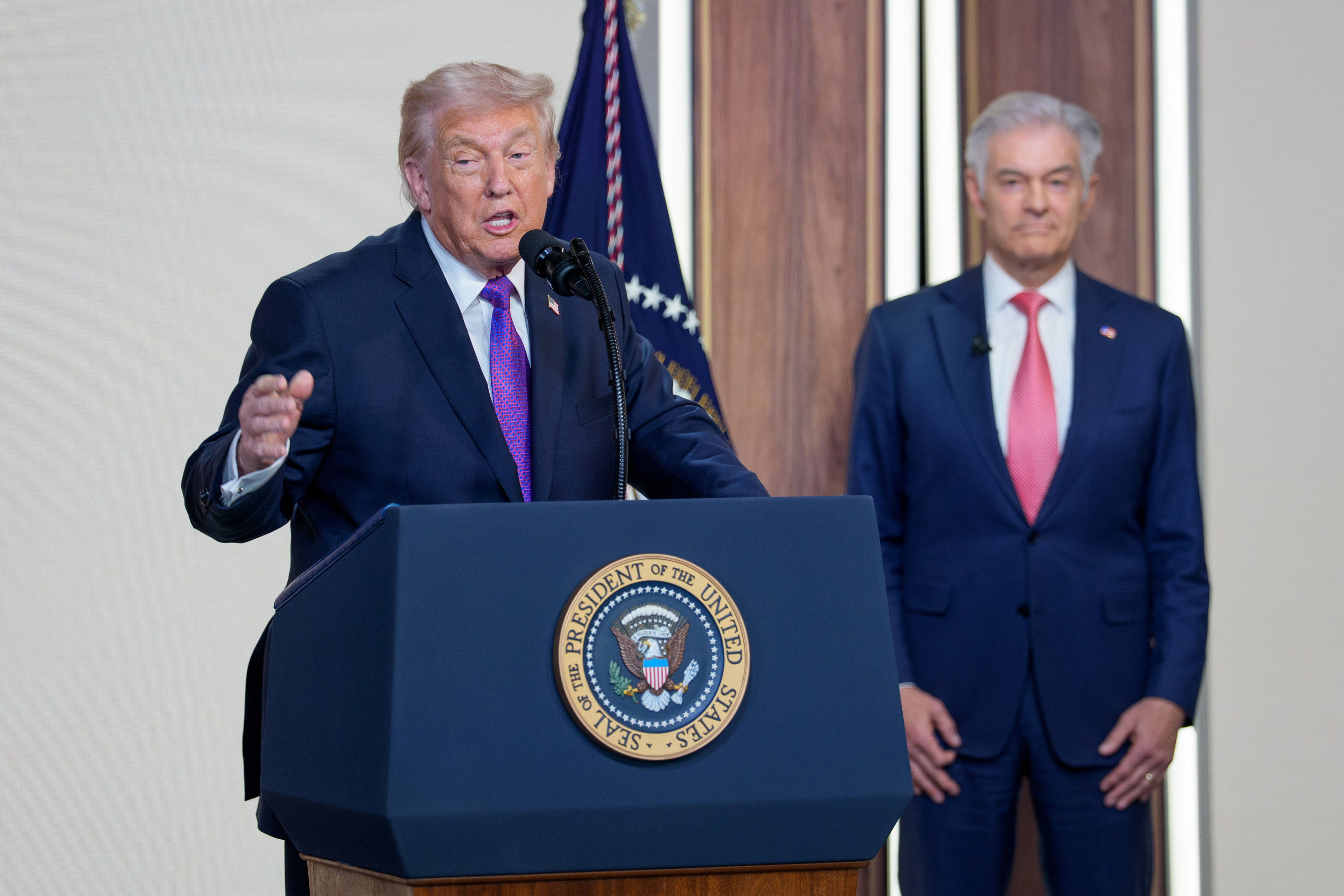
August 17, 2026President Donald J. Trump promised to slash prescription drug prices — and he has delivered. New data confirms prescription drug prices just recorded their largest annual decline in more than 60 years, the steepest drop since 1963, as the Trump Administration’s landmark Most Favored Nation policies take hold.
President Trump is the first President to actually lower prescription drug prices — a direct result of his bold action. Through Most Favored Nation pricing, 17 of the world’s largest drugmakers — covering approximately 86% of the branded drug market — have agreed to bring U.S. prices in line with the lowest paid by comparable developed nations, ending decades of Americans subsidizing cheaper drugs abroad and forcing fair pricing for patients at home.
The Trump Administration’s revolutionary TrumpRx platform has already generated $700 million in savings for millions of American patients. GLP-1 medications that once cost over $1,000 a month are now available starting as low as $149. Fertility drugs, inhalers, insulin, cholesterol treatments, and dozens of other high-cost drugs have seen cuts of 50–90% or more.
The results are clear:
- Prescription drug prices are down 3.9% since President Trump took office and have fallen every month of 2026. Nonprescription drugs are down 2.4% over the same period.
- Medical care commodities, including equipment and supplies, are down 2.7% over the past year.
- The Department of Veterans Affairs has locked in more than $10 billion in pharmaceutical savings this fiscal year alone.
- Hundreds of billions more in long-term savings are projected from the full Most Favored Nation framework.
No previous Administration achieved this. President Trump’s Most Favored Nation policy and TrumpRx are driving the largest prescription drug price drop in over six decades — delivering real relief to American families and putting patients first.
The Washington Post takes its usual crap on the President's achievements:
Prescription drug prices record sharpest drop in more than 60 years
By Steve Thompson, Federica Cocco, Christopher Rowland • August 13, 2026Prescription drug prices recorded the biggest year-over-year drop in more than 60 years in July, a startling reduction experts chalked up to an array of factors, including more generics and discount GLP-1 weight-loss drugs.
While overall costs for medical services continued to rise, prices for medicinal drugs fell 2.7 percent over the 12 months ending in July, the largest annual drop on record, according to Bureau of Labor Statistics data released Wednesday. Prescription drugs, part of the medicinal drug category, fell by 3.1 percent, the steepest annual decline since March 1963.
The White House took credit for the good news, saying President Donald Trump’s efforts to slash drug prices were working. Some experts said a Biden-era policy that requires Medicare to negotiate prices for some popular prescription drugs is more likely to be driving down costs.
The drop in prescription drug prices is one of the few bright spots in the U.S. consumer price index, which provides a snapshot of inflation. “Just what the doctor ordered!” Renaissance Macro, an investment research company, posted to X on Wednesday.
Inflation has been running high for more than five years, sparked by the economic disruptions of the coronavirus pandemic and Washington’s response to it. More recently, prices have been rising because of energy pressures fueled by the war with Iran.
Prescription drug prices, on the other hand, have slid sharply over the past six months, Renaissance Macro said, at a seasonally adjusted annual rate of 6.6 percent — “the sharpest six month drop on record.”
While the results are stark, teasing out the cause is complicated, independent experts said.
President Donald Trump has long pledged to bring down prescription drug prices, and the White House made the case Wednesday that the president’s pricing agreements with drug companies and a new initiative, the direct-to-consumer site TrumpRx, are responsible for the lower prices.
“No president in modern history has been able to drastically reduce prescription drug prices across the board except for President Trump,” White House spokesman Kush Desai said in an email. “This is a direct result of the President’s willingness to push the envelope with bold policies that actually put Americans and America First.”
White House officials pointed particularly to the costs of GLP-1 weight-loss drugs, which Trump calls the “fat drug.” TrumpRx, which launched earlier this year, offers GLP-1 drugs for as low as $150 for a starting dose. And under a Medicare pilot program that the administration launched in July, drugmakers Novo Nordisk and Eli Lilly agreed to charge the government just $245 a month for their products, Wegovy, Zepbound and Foundayo.
Monthly prices charged to insurance companies previously had topped $1,000. Trump and the drug companies began negotiating last year and announced the rough outlines of the deals in November.
“In a matter of months, we got up and running these discounts in a way that they were meaningful for American patients,” said a White House official, speaking on the condition of anonymity because administration staff are not authorized to speak publicly.
But bigger trends in the GLP-1 marketplace were already driving down prices independent of Trump’s negotiations, according to experts on drug pricing. Spotty insurance coverage for Wegovy and Zepbound for weight loss has produced enormous demand for lower consumer prices. And cheaper compounded drugs have posed genuine competition for the brand-name companies, adding even greater downward pressure.
Richard Frank, a senior fellow at the Brookings Institution and a professor emeritus of health economics at Harvard University, said he doubts Trump’s initiatives are behind the drop in drug prices.
“If I was a betting guy on what mattered most, it would be probably stuff around the Inflation Reduction Act,” Frank said, adding that Trump’s efforts “wouldn’t be where I’d place my money.”
The Inflation Reduction Act was a signature accomplishment of former president Joe Biden, a sprawling measure enacted in 2022 that aimed to lower prescription drug prices by requiring Medicare, the federal health program for the elderly, to begin negotiating the prices it pays drugmakers for an array of popular and costly prescription drugs.
The first price reductions took effect at the beginning of this year. Using 2023 prices as a benchmark, the Centers for Medicare and Medicaid Services has estimated taxpayer savings of $6 billion from that first round.
The Trump White House argues that the Inflation Reduction Act gets too much credit for lowering prices, in part because it took four years to take effect.
Stacie Dusetzina, a health policy professor at Vanderbilt University, said the Inflation Reduction Act is a more plausible contributor to the decline in prices than Trump’s initiatives.
While only 10 drugs have had their prices negotiated so far, they are commonly used ones “and their prices would likely be reflected in the prescription drug index,” she said via email. TrumpRx, on the other hand, covers “a limited number of branded drugs,” Dusetzina said, and “aside from GLP1s, they may not be high enough volume to be included.”
Dusetzina said another Trump policy — most-favored-nation pricing, which ties U.S. prices to lower ones paid abroad — could not explain the drop in prices either, “as the models that are supposed to use this form of pricing haven’t even launched.”
The Bureau of Labor Statistics category for prescription drugs does not track what drug companies charge. It tracks how much a pharmacy actually receives when it fills a prescription. That means it includes a customer’s payment at the counter plus whatever is paid by their private insurance or by Medicare Part D, the program that pays for drugs picked up from a pharmacy.
A drop in this index does not necessarily mean drugmakers have cut their prices. It can also reflect insurers and Medicare striking better deals or people switching to cheaper drugs.
Which brings up another, less glamorous source of lower prices: generics. When a brand-name drug loses patent protection, BLS waits about six months, swaps the brand in its sample for the cheaper generic and records the difference as a reduction in price.
A wave of blockbuster drugs lost exclusivity over the past year, and Dusetzina said that could be pushing the index down — “especially if the drugs were commonly filled.”
Get MHF Insights
News and tips for your healthcare freedom.
We never spam you. One-step unsubscribe.